Proper rotary brush operator training is crucial for anyone responsible for maintaining air ducts, industrial vents, or production equipment. Mastering the use of rotary brush systems not only improves cleaning effectiveness but also ensures safety and prolongs the lifespan of both the equipment and the surfaces being cleaned. This guide covers essential skills, safety protocols, and best practices for operators at all experience levels.
Whether you’re new to rotary brush systems or looking to refine your techniques, understanding the nuances of equipment handling, maintenance, and troubleshooting is key. For those seeking advanced strategies and industry insights, rotary brush system expert tips offer valuable guidance for optimizing your workflow and results.
Understanding Rotary Brush Systems
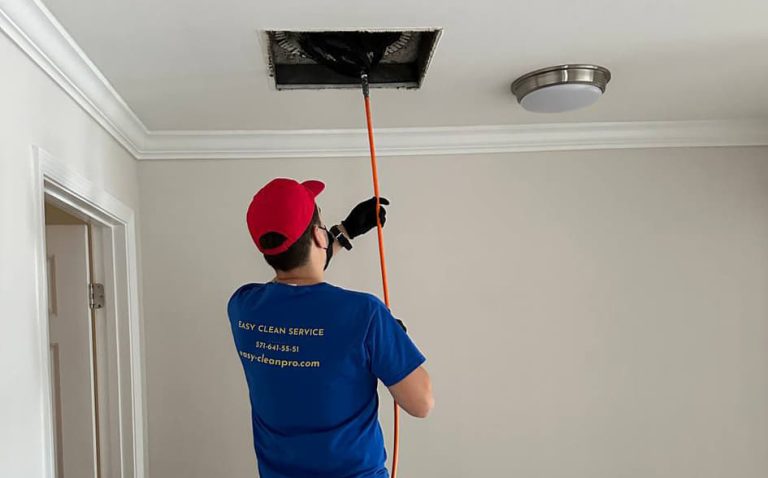
A rotary brush system is a specialized cleaning tool designed to remove dust, debris, and contaminants from ducts, vents, and other hard-to-reach spaces. These systems typically consist of a flexible shaft, interchangeable brush heads, and a power source—usually a drill or dedicated motor. Operators must be familiar with each component and understand how to assemble, operate, and maintain the system for optimal performance.
Key benefits of using rotary brush equipment include:
- Thorough removal of stubborn buildup in ducts and vents
- Increased efficiency compared to manual cleaning methods
- Reduced risk of damaging delicate surfaces when used correctly
- Adaptability for various duct sizes and shapes
Core Elements of Rotary Brush Operator Training
Effective rotary brush operator training programs focus on several core areas. Mastery of these elements ensures both safety and cleaning quality:
- Equipment Familiarization: Operators must identify all parts, understand their functions, and know how to select the right brush for each job.
- Assembly and Disassembly: Proper assembly prevents malfunctions and ensures safe operation. Training should include step-by-step procedures for attaching shafts, brushes, and power sources.
- Safe Operation: Emphasis on personal protective equipment (PPE), correct handling techniques, and awareness of potential hazards such as electrical components or sharp edges.
- Cleaning Techniques: Instruction on brush speed, pressure, and movement patterns to maximize cleaning without damaging ducts or vents.
- Maintenance and Troubleshooting: Routine checks, cleaning of brushes, and prompt identification of wear or malfunction are essential for long-term reliability.
For those working in demanding environments, exploring rotary brush solutions for production environments can provide additional context on adapting techniques for industrial settings.

Safety Protocols for Operators
Safety is a top priority in any rotary brush operator training curriculum. Operators should always:
- Wear appropriate PPE, including gloves, goggles, and dust masks
- Inspect all equipment for damage before use
- Ensure power sources are disconnected before assembly or maintenance
- Work in well-ventilated areas to minimize dust inhalation
- Follow manufacturer guidelines for maximum brush speed and shaft length
Adhering to these protocols reduces the risk of injury and ensures a safe working environment for all team members.
Best Practices for Effective Cleaning
To achieve the best results with rotary brush systems, operators should follow these practical tips:
- Start with the correct brush size and type for the duct or vent being cleaned
- Use steady, controlled movements to avoid damaging surfaces
- Monitor brush speed and adjust as needed for different materials
- Regularly clear debris from the brush to maintain efficiency
- Document cleaning activities for quality assurance and compliance
For a deeper dive into maintaining high standards, the rotary brush cleaning quality standards guide provides detailed benchmarks and checklists.
Maintenance and Troubleshooting for Rotary Brush Operators
Routine maintenance is essential to keep rotary brush equipment functioning at its best. Operators should:
- Clean brush heads and shafts after each use
- Inspect for signs of wear, such as frayed bristles or bent shafts
- Lubricate moving parts as recommended by the manufacturer
- Replace worn or damaged components promptly
When issues arise, quick troubleshooting can minimize downtime. Common problems include brush jams, loss of power, or excessive vibration. For step-by-step solutions, see the rotary brush troubleshooting common issues resource.
For those cleaning rotary dryers or similar equipment, following industry best practices for rotary dryer cleaning can help ensure a thorough and safe process.
Advancing Skills and Staying Updated
As technology evolves, so do the tools and techniques available to rotary brush operators. Staying informed about the latest advancements, such as new brush materials or automated systems, can improve efficiency and results. For insights into upcoming innovations, explore rotary brush system future trends.
Ongoing education, regular practice, and participation in industry workshops or certification programs are all excellent ways to advance your skills and maintain a competitive edge.
Frequently Asked Questions
What qualifications are needed to become a rotary brush operator?
Most operators do not require formal certification, but comprehensive training in equipment use, safety protocols, and cleaning techniques is essential. Many employers offer in-house training or recommend industry workshops for skill development.
How often should rotary brush equipment be maintained?
Brushes and shafts should be cleaned after every use, with a thorough inspection for wear or damage. Lubrication and replacement of worn parts should follow the manufacturer’s guidelines, typically after a set number of operating hours or when performance declines.
Can rotary brush systems be used on all types of ducts?
While rotary brush systems are versatile, it’s important to select the correct brush type and size for each duct material and diameter. Some delicate or flexible ducts may require specialized brushes or alternative cleaning methods to prevent damage.
Conclusion
Thorough rotary brush operator training empowers professionals to clean more effectively, work safely, and extend the life of both their equipment and the systems they maintain. By following best practices, staying updated on industry trends, and investing in ongoing education, operators can deliver superior results and adapt to evolving demands in duct and vent cleaning.