Rotary brush metal finishing systems have become a cornerstone in modern industrial manufacturing, offering efficient and consistent surface treatment for a wide range of metal components. These systems utilize rotating brushes to deburr, clean, polish, and finish metal surfaces, ensuring high-quality results with minimal manual intervention. As industries demand higher productivity and tighter tolerances, automated brush-based finishing solutions have gained popularity for their reliability, repeatability, and adaptability across various applications.
Whether you are involved in automotive, aerospace, electronics, or general metal fabrication, understanding how these advanced finishing systems work can help you optimize your production processes. This article explores the key features, benefits, and considerations of rotary brush-based finishing equipment, providing practical insights for manufacturers and facility managers. For those interested in the latest advancements, you may also want to review rotary brush cleaning technology trends to stay ahead in the industry.
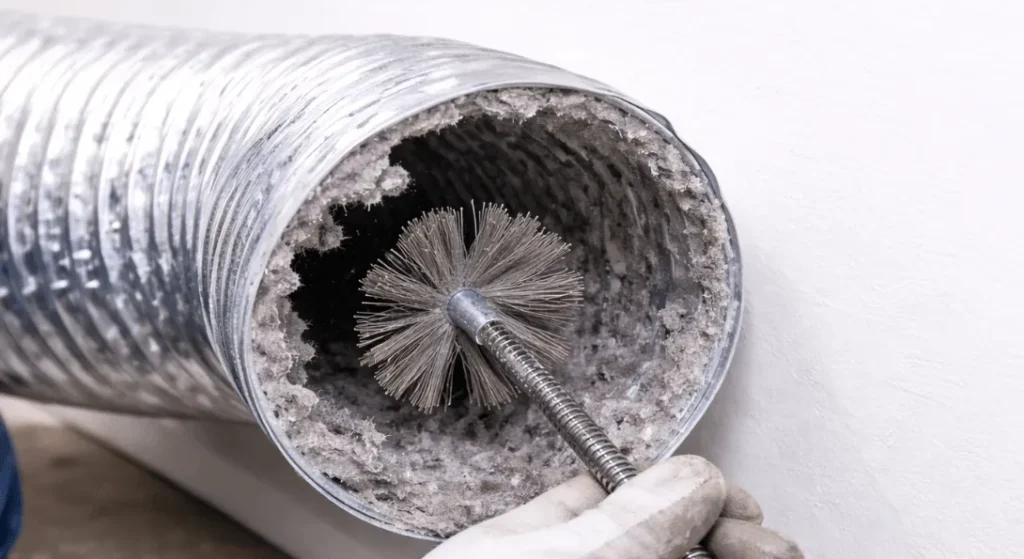
How Rotary Brush Finishing Equipment Works
At the heart of these finishing solutions are motor-driven rotary brushes, which can be made from various materials such as nylon, wire, or abrasive filaments. The brushes rotate at controlled speeds and are pressed against the metal workpiece as it moves through the system. This action removes burrs, oxides, and surface imperfections, while also imparting a uniform finish. The process can be adjusted by modifying brush type, speed, pressure, and feed rate, allowing for precise control over the final surface quality.
Most industrial setups integrate these systems into automated production lines, where parts are conveyed through enclosed finishing chambers. Sensors and programmable logic controllers (PLCs) monitor and adjust the process in real time, ensuring consistent results even with high production volumes. This automation reduces labor costs and minimizes the risk of human error, making rotary brush solutions ideal for demanding manufacturing environments.
Key Advantages of Automated Brush-Based Metal Finishing
There are several reasons why manufacturers are increasingly turning to rotary brush metal finishing systems for their surface treatment needs:
- Consistency: Automated systems provide uniform results across large batches, eliminating the variability associated with manual finishing.
- Efficiency: High-speed brushes and continuous operation boost throughput, reducing cycle times and increasing productivity.
- Versatility: These systems can handle a variety of metals, part geometries, and finishing requirements, from deburring to polishing.
- Reduced Labor: Automation minimizes manual handling, lowering labor costs and improving workplace safety.
- Quality Control: Integrated sensors and controls ensure that each part meets strict quality standards.
For more in-depth guidance on optimizing your finishing process, consider reviewing the rotary brush system expert tips shared by industry professionals.
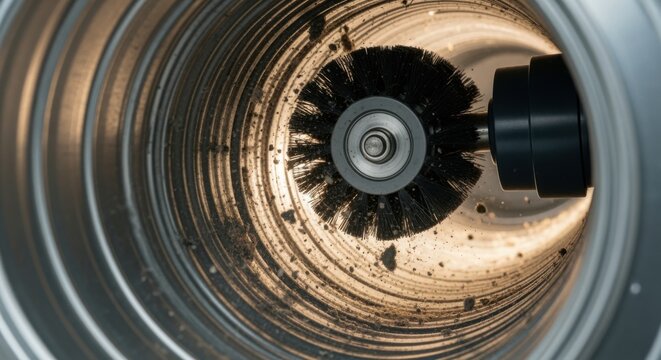
Applications Across Industrial Sectors
Rotary brush-based finishing is used in a wide array of industries due to its adaptability and effectiveness. Common applications include:
- Automotive: Deburring engine parts, brake components, and transmission gears to ensure smooth operation and longevity.
- Aerospace: Polishing aircraft components to meet stringent safety and performance standards.
- Electronics: Cleaning and finishing metal enclosures, connectors, and heat sinks for improved conductivity and appearance.
- General Manufacturing: Removing sharp edges and surface contaminants from fabricated metal parts before assembly or coating.
For facilities seeking tailored solutions, rotary brush solutions for industrial facilities can provide insights into system customization and integration.
Choosing the Right Rotary Brush System for Your Needs
Selecting the optimal finishing equipment involves evaluating several factors:
- Material Type: Different metals require specific brush materials and abrasives for effective finishing without damaging the workpiece.
- Part Geometry: Complex shapes may need flexible or custom-shaped brushes to reach all surfaces.
- Production Volume: High-throughput environments benefit from fully automated systems with advanced controls.
- Desired Finish: From coarse deburring to fine polishing, the system must be configured to achieve the required surface quality.
- Maintenance Requirements: Look for systems with easy brush replacement and minimal downtime to maximize productivity.
Consulting an authoritative rotary brush glossary can help clarify technical terms and ensure you select the right components for your application.

Maintenance and Best Practices for Longevity
Proper maintenance is crucial for ensuring the long-term performance of your finishing equipment. Here are some best practices:
- Regularly inspect brushes for wear and replace them as needed to maintain consistent results.
- Clean the system to prevent buildup of metal shavings, dust, and debris that can affect performance.
- Lubricate moving parts and check for alignment issues to minimize downtime.
- Train operators on safe handling and troubleshooting to reduce the risk of accidents and equipment damage.
For a comprehensive overview of industry standards and future developments, the rotary brush system industry guide is a valuable resource. Additionally, keeping an eye on rotary brush system future trends can help you anticipate technological advancements and stay competitive.
Frequently Asked Questions
What types of brushes are used in rotary finishing systems?
Rotary finishing systems typically use brushes made from nylon, steel wire, or abrasive-impregnated filaments. The choice depends on the metal being processed and the desired finish. Nylon brushes are gentle and suitable for delicate surfaces, while wire and abrasive brushes are used for tougher deburring and cleaning tasks.
How do rotary brush systems compare to manual finishing methods?
Automated rotary brush solutions offer greater consistency, speed, and safety compared to manual methods. They reduce labor costs, minimize human error, and can handle larger production volumes. Manual finishing, while flexible, is more labor-intensive and prone to variability.
Can these systems be customized for specific applications?
Yes, most manufacturers offer customizable options, including brush type, size, speed, and system configuration. This allows the equipment to be tailored for unique part geometries, materials, and finishing requirements, ensuring optimal results for each application.
Rotary brush metal finishing systems continue to evolve, providing manufacturers with efficient, reliable, and adaptable solutions for surface treatment challenges. By understanding their operation, benefits, and maintenance needs, you can make informed decisions that enhance productivity and product quality in your facility.