Understanding rotary brush cleaning performance metrics is essential for anyone seeking to optimize cleaning processes in HVAC systems, dryer vents, or industrial environments. These metrics help professionals and facility managers evaluate the effectiveness, efficiency, and safety of rotary brush cleaning systems. By focusing on measurable outcomes, users can make informed decisions about equipment selection, maintenance schedules, and process improvements.
This article explores the most important indicators for assessing rotary brush cleaning, including debris removal rates, cleaning coverage, operational efficiency, and system longevity. We’ll also discuss how to interpret these metrics, why they matter, and how they compare to alternative cleaning methods. For those interested in the latest developments, resources like rotary brush cleaning technology trends provide valuable insights into ongoing advancements in the field.
Key Metrics for Evaluating Rotary Brush Cleaning
To accurately gauge the effectiveness of a rotary brush system, it’s important to focus on several core performance indicators. These metrics provide a comprehensive view of how well the equipment performs under real-world conditions.
- Debris Removal Efficiency: Measures the percentage of dust, lint, or particulate matter removed from the target surface during a cleaning cycle. High efficiency indicates thorough cleaning and reduced risk of buildup.
- Cleaning Coverage: Refers to the area or length cleaned per unit of time. This metric helps determine how quickly and completely a system can address ducts, vents, or other surfaces.
- Brush Wear Rate: Tracks the rate at which brush bristles degrade or lose effectiveness. Lower wear rates mean longer intervals between replacements and lower maintenance costs.
- Cycle Time: The time required to complete a standard cleaning operation. Shorter cycle times can improve productivity, especially in commercial or industrial settings.
- Energy Consumption: Indicates the amount of power used during cleaning. Efficient systems minimize energy use while maintaining strong cleaning action.
- System Downtime: The frequency and duration of maintenance or repairs. Reliable systems with minimal downtime ensure uninterrupted cleaning schedules.
By regularly tracking these indicators, users can identify trends, spot potential issues early, and optimize cleaning protocols for better results.
How to Measure and Interpret Cleaning Effectiveness
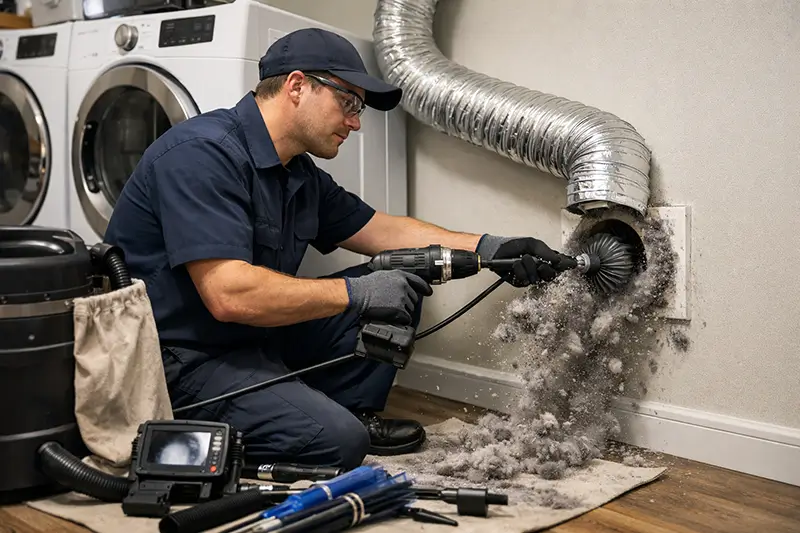
Quantifying the results of rotary brush cleaning involves both direct observation and objective measurement. Here are some practical methods for assessing performance:
- Visual Inspection: Before-and-after photos or direct observation can reveal the extent of debris removal and surface cleanliness.
- Weight or Volume of Removed Material: Collecting and weighing debris after cleaning provides a tangible measure of effectiveness.
- Surface Testing: Swab tests or particle counters can detect residual contaminants, offering a more scientific assessment.
- Airflow Measurements: In HVAC and dryer vent applications, improved airflow after cleaning indicates reduced blockages and better system performance.
Interpreting these results requires context. For example, a high debris removal rate is ideal, but if brush wear is excessive, it may signal the need for softer bristles or adjusted cleaning speed. Comparing metrics over time helps identify whether performance is improving or declining, guiding maintenance and equipment choices.
Comparing Rotary Brush Metrics to Other Cleaning Methods
Rotary brush systems are often compared to negative air pressure or air whip cleaning methods. Each approach has unique strengths and limitations, which are reflected in their respective performance metrics.
For example, rotary brush cleaning typically excels in debris removal efficiency and cleaning coverage, especially for stubborn or adhered material. However, negative air systems may offer advantages in minimizing airborne dust during cleaning. For a deeper comparison, see this detailed guide on negative air pressure vs. rotary brush cleaning.
When evaluating which method to use, consider the specific application, type of debris, and desired outcomes. Rotary brush systems are particularly effective for dryer vents, air ducts, and surfaces where physical agitation is needed to dislodge buildup.
Factors That Influence Rotary Brush Cleaning Outcomes
Several variables can impact the results of rotary brush cleaning, making it important to account for these factors when analyzing performance metrics:
- Brush Type and Material: The stiffness, length, and material of the brush bristles affect both cleaning power and wear rate.
- Rotation Speed: Higher speeds can improve debris removal but may increase brush wear or risk of surface damage.
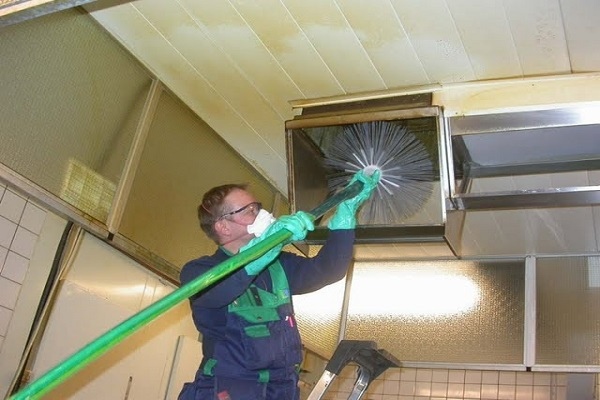
- Operator Technique: Consistent, thorough movement ensures even coverage and maximizes cleaning effectiveness.
- System Compatibility: Using the right brush size and attachment for the duct or vent diameter is crucial for optimal results.
- Frequency of Cleaning: Regular maintenance prevents excessive buildup, making each cleaning cycle more efficient.
By adjusting these variables and monitoring their impact on key metrics, users can fine-tune their cleaning processes for better outcomes and longer equipment life.
Best Practices for Monitoring and Improving Cleaning Metrics
To get the most from your rotary brush system, it’s important to establish a routine for tracking and analyzing performance data. Here are some best practices:
- Keep a cleaning log that records debris removal rates, brush wear, and any issues encountered during each session.
- Schedule regular inspections of brushes and equipment to catch wear or damage early.
- Compare results across different brush types or cleaning speeds to identify the most effective combinations.
- Train operators on proper technique and the importance of consistent coverage.
- Review cleaning outcomes periodically to spot trends and adjust maintenance schedules as needed.
For those seeking to align with industry benchmarks, resources like the rotary brush cleaning quality standards guide offer helpful reference points for acceptable performance and safety standards.
Integrating Performance Metrics Into Your Cleaning Program
Incorporating rotary brush cleaning performance metrics into your maintenance program ensures that cleaning efforts are both effective and efficient. By focusing on measurable outcomes, organizations can justify investments in new equipment, improve safety, and extend the lifespan of HVAC and vent systems.
For those managing large facilities or production environments, exploring rotary brush solutions for production environments can provide additional strategies for scaling up cleaning operations while maintaining high standards.
FAQ
What Are the Most Important Rotary Brush Cleaning Metrics to Track?
The most critical indicators include debris removal efficiency, cleaning coverage, brush wear rate, cycle time, and energy consumption. Monitoring these metrics helps ensure that cleaning is thorough, cost-effective, and safe.
How Often Should Rotary Brush Cleaning Performance Be Evaluated?
Performance should be assessed after each cleaning cycle, with periodic reviews to identify trends or changes in effectiveness. Regular evaluation allows for timely adjustments to equipment or procedures.
Can Rotary Brush Cleaning Metrics Help Reduce Maintenance Costs?
Yes, by tracking brush wear and system downtime, users can optimize maintenance schedules, reduce unnecessary replacements, and prevent costly breakdowns. Improved efficiency also leads to lower energy use and labor costs.
Where Can I Find Expert Advice on Rotary Brush Systems?
For professional tips and industry insights, visit rotary brush system expert tips for guidance on maximizing cleaning performance and system longevity.