Maintaining agricultural machinery is essential for ensuring productivity, reducing downtime, and extending equipment lifespan. One of the most effective ways to keep these machines running efficiently is through rotary brush cleaning for agricultural equipment. This method uses rotating brushes to dislodge and remove dirt, debris, crop residue, and other contaminants from surfaces and internal components. Compared to manual scrubbing or compressed air, rotary brush systems offer a more thorough and consistent clean, especially in hard-to-reach areas.
In this guide, we’ll explore how rotary brush cleaning works, its advantages for farm machinery, best practices for implementation, and how to choose the right tools for your needs. Whether you’re managing a small farm or a large-scale operation, understanding these cleaning techniques can help you maintain optimal equipment performance and reduce costly repairs.
For those looking to dive deeper into professional cleaning insights, you may find rotary brush system expert tips especially helpful for optimizing your cleaning process.
How Rotary Brush Systems Work in Farm Machinery Maintenance
Rotary brush systems are designed to tackle the unique cleaning demands of agricultural equipment. These systems typically consist of a motorized or drill-powered shaft attached to a cylindrical or disc-shaped brush. As the brush rotates, its bristles agitate and loosen stubborn debris, which can then be vacuumed or blown away.
This cleaning method is particularly effective for:
- Removing caked-on mud and plant residue from combine harvesters, tractors, and tillers
- Cleaning air intakes, radiators, and cooling fins to prevent overheating
- Clearing seeders, planters, and balers of dust and chaff buildup
- Maintaining grain augers, conveyors, and storage bins
The rotating action of the brush ensures even coverage and can reach into crevices and corners that are difficult to clean by hand. This not only improves the cleanliness of your equipment but also helps maintain its efficiency and reliability.
Benefits of Rotary Brush Cleaning for Agricultural Equipment
Implementing rotary brush cleaning offers several advantages for farm operators and service technicians:
- Time Savings: Rotary brushes clean faster than manual methods, reducing labor costs and equipment downtime.
- Thorough Cleaning: The bristles reach into tight spaces, ensuring comprehensive removal of debris and contaminants.
- Reduced Wear and Tear: Regular cleaning prevents abrasive particles from causing premature wear on moving parts.
- Improved Equipment Performance: Clean machinery runs cooler, more efficiently, and is less likely to break down during critical operations.
- Enhanced Safety: Removing combustible crop residue lowers the risk of fires, especially during harvest season.
By adopting this cleaning approach, farms can extend the service life of their machinery and maintain compliance with safety and quality standards.
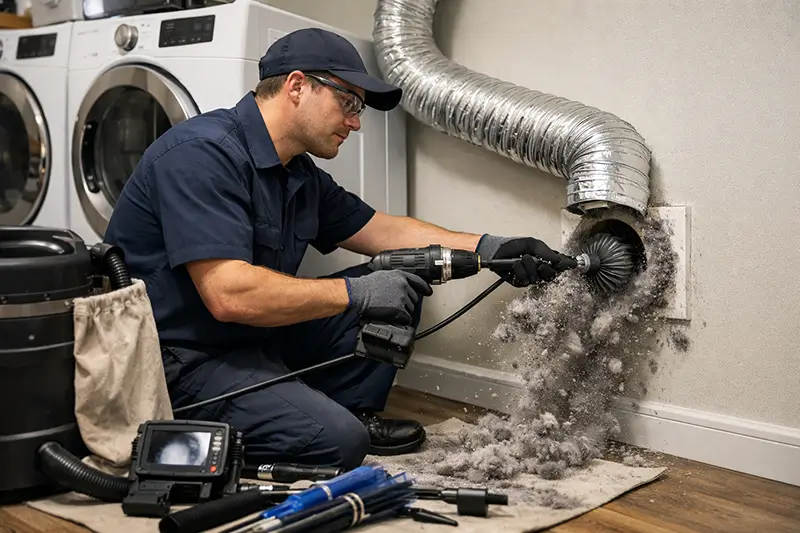
Choosing the Right Rotary Brush Tools for Farm Equipment
Selecting the appropriate rotary brush system depends on the type and size of your agricultural machinery, as well as the specific cleaning challenges you face. Here are some key factors to consider:
- Bristle Material: Nylon bristles are gentle and suitable for most surfaces, while stiffer synthetic or metal bristles may be needed for heavy-duty cleaning.
- Brush Size and Shape: Cylindrical brushes cover large flat areas, while disc or cup brushes are ideal for corners and curved surfaces.
- Power Source: Some brushes attach to handheld drills, while others are part of dedicated motorized cleaning systems.
- Flexibility: Flexible shafts and extension rods help reach deep or awkward areas, such as inside ducts or behind guards.
- Compatibility: Ensure the brush system fits your equipment and does not damage sensitive components.
For more detailed advice on selecting and maintaining your cleaning tools, check out these rotary brush solutions for production environments.
Best Practices for Rotary Brush Cleaning in Agriculture
To maximize the effectiveness and safety of rotary brush cleaning, follow these practical tips:
- Read Equipment Manuals: Always consult your machinery’s maintenance guide to identify sensitive areas and recommended cleaning methods.
- Inspect Before Cleaning: Remove large debris manually and check for loose or damaged parts that could be affected by the brush.
- Use Protective Gear: Wear gloves, goggles, and dust masks to protect yourself from flying particles and contaminants.
- Work Methodically: Clean from top to bottom and inside out to prevent recontamination of already cleaned areas.
- Monitor Brush Wear: Replace brushes when bristles become worn or deformed to maintain cleaning efficiency.
- Follow Up: After brushing, use compressed air or a vacuum to remove loosened debris, and wipe down surfaces as needed.
Proper technique not only ensures a thorough clean but also helps avoid accidental damage to machinery components.
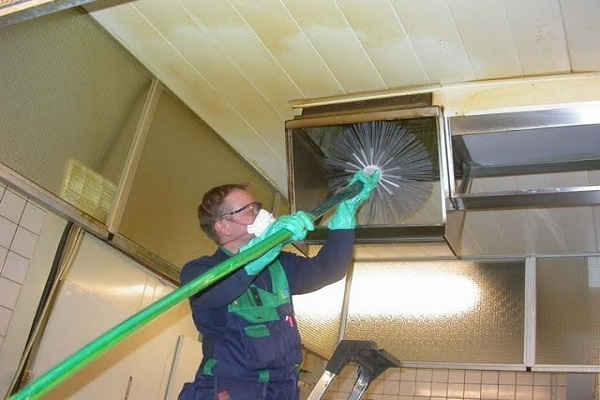
Comparing Rotary Brush Cleaning to Other Methods
While rotary brush systems are highly effective, it’s useful to compare them with other common cleaning techniques:
| Method | Advantages | Drawbacks |
|---|---|---|
| Rotary Brush | Deep cleaning, reaches tight spaces, efficient for heavy debris | Requires power tool or motor, may not suit delicate surfaces |
| Compressed Air | Quick, no contact, safe for electronics | Less effective on caked debris, can spread dust |
| Manual Scrubbing | Low cost, precise control | Labor-intensive, inconsistent results, time-consuming |
| Pressure Washing | Removes mud and grime from exteriors | Risk of water ingress, not suitable for all parts |
For a technical comparison of rotary brush systems with negative air pressure cleaning, see this in-depth guide on cleaning methods.
Maintaining Quality and Safety Standards
Regular cleaning is not just about appearance—it’s a key part of meeting operational standards and regulations. Following rotary brush cleaning quality standards helps ensure your equipment is safe, efficient, and compliant with industry requirements.
Routine maintenance also reduces the risk of breakdowns and extends the working life of your machinery, protecting your investment and supporting uninterrupted farm operations.
Frequently Asked Questions
How often should I use rotary brush cleaning on my farm equipment?
The frequency depends on usage, crop type, and environmental conditions. For most farms, cleaning after each major use—such as post-harvest or after working in muddy fields—is recommended. High-dust environments may require more frequent attention.
Can rotary brush systems damage sensitive components?
If used correctly and with the appropriate bristle type, rotary brushes are safe for most surfaces. Always check your equipment manual and use softer bristles on delicate parts. Avoid excessive pressure and monitor brush wear.
What should I do if my rotary brush system stops working?
First, inspect for blockages, worn bristles, or mechanical issues. Consult the manufacturer’s troubleshooting guide or refer to rotary brush troubleshooting common issues for step-by-step solutions.
Are there future advancements expected in rotary brush cleaning technology?
Yes, ongoing innovations focus on smarter, more efficient cleaning systems. For insights into emerging trends, see rotary brush system future trends.
By integrating rotary brush cleaning into your regular maintenance routine, you can keep your agricultural equipment in top condition, minimize downtime, and ensure safe, efficient operation throughout the farming season.