Achieving optimal performance and longevity from rotary brush systems depends on precise rotary brush brush balancing. When brushes are properly balanced, they rotate smoothly, reduce wear on equipment, and deliver consistent cleaning results. Imbalances, on the other hand, can cause vibration, noise, premature component failure, and subpar cleaning outcomes. Whether you’re maintaining HVAC ductwork, industrial floors, or production lines, understanding the fundamentals of brush balancing is essential for both professionals and facility managers.
This guide explores the principles of balancing rotary brushes, highlights the benefits of proper maintenance, and provides actionable steps for ensuring smooth operation. For those seeking deeper insights into rotary brush systems, rotary brush system expert tips offer additional practical advice.
Why Proper Balancing Matters in Rotary Brush Systems
Rotary brush assemblies are used in a wide range of cleaning and surface preparation applications. The balance of these brushes directly impacts the efficiency, safety, and durability of the entire system. Unbalanced brushes can lead to:
- Increased vibration, which stresses bearings and drive motors
- Uneven cleaning due to irregular contact with surfaces
- Accelerated wear on both the brush and machine components
- Operator fatigue from excessive noise and movement
- Potential safety hazards if parts loosen or fail during operation
Maintaining balance isn’t just about equipment health—it’s also about achieving reliable, high-quality cleaning results every time.
Understanding Rotary Brush Brush Balancing Principles
The concept of balancing in rotary brushes involves distributing the brush’s mass evenly around its axis of rotation. When a brush is out of balance, the center of mass does not align with the axis, causing wobble and vibration during use. There are two main types of imbalance:
- Static imbalance: The brush is heavier on one side when stationary, causing it to rotate or settle unevenly.
- Dynamic imbalance: The brush’s mass is unevenly distributed along its length, leading to vibration when spinning at speed.
Both types can be addressed through careful manufacturing, regular inspection, and field adjustments.

Common Causes of Imbalance in Rotary Brushes
Several factors can contribute to imbalance in rotary brush assemblies:
- Bristle wear: Over time, bristles may wear unevenly, especially if the brush is used on abrasive surfaces or at incorrect angles.
- Improper installation: Misalignment during mounting can shift the brush’s center of gravity.
- Manufacturing defects: Variations in core or bristle density can create inherent imbalance.
- Accumulated debris: Dirt or foreign objects lodged in the brush can throw off its balance.
Regular inspection and maintenance are key to identifying and correcting these issues before they lead to equipment damage or reduced cleaning quality.
How to Check and Adjust Brush Balance
Routine checks for balance should be part of every maintenance schedule. Here’s a step-by-step approach:
- Visual inspection: Look for signs of uneven bristle wear, bent shafts, or debris buildup.
- Spin test: Manually rotate the brush and observe for wobble or irregular movement. If the brush consistently settles in one position, static imbalance is likely.
- Vibration monitoring: During operation, listen and feel for unusual vibrations or noise. Excessive movement often signals dynamic imbalance.
- Corrective action: Replace worn or damaged brushes, clean out debris, and ensure proper mounting. Some brushes allow for the addition or removal of balancing weights.
For more advanced troubleshooting, consulting resources like rotary brush troubleshooting common issues can provide targeted solutions.
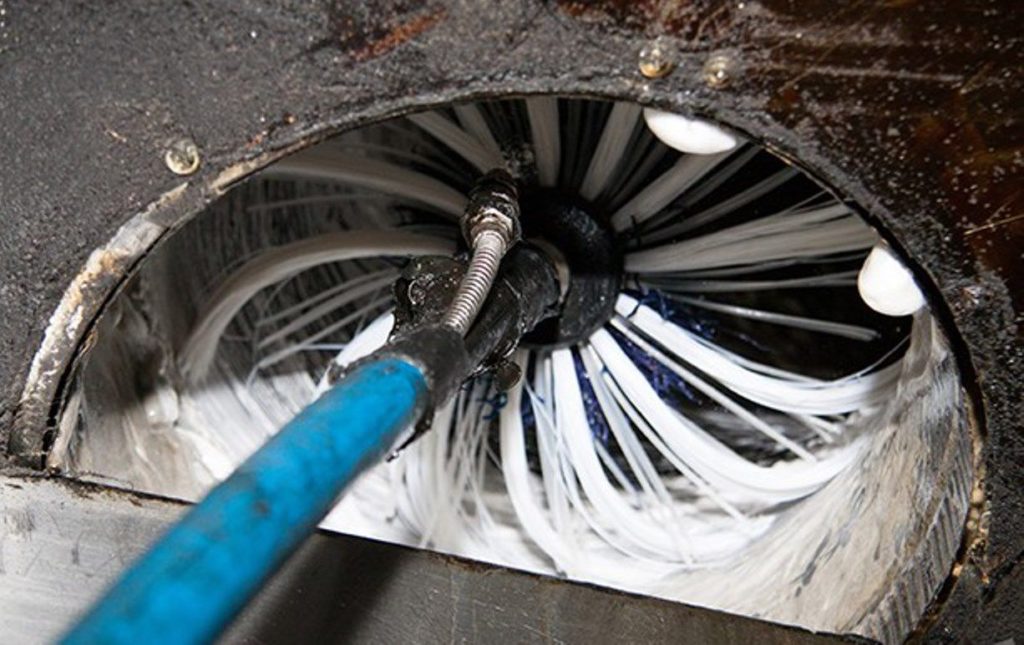
Best Practices for Maintaining Balanced Rotary Brushes
To maximize the lifespan and effectiveness of your rotary brush equipment, follow these best practices:
- Schedule regular maintenance: Inspect brushes before and after each use, and replace them at the first sign of significant wear.
- Use compatible components: Always select brushes and mounting hardware designed for your specific machine and application.
- Store brushes properly: Keep brushes in a dry, clean environment to prevent deformation or contamination.
- Train operators: Ensure all users understand the importance of balance and proper installation techniques.
- Document issues: Track any recurring balance problems to identify patterns and address root causes.
For more detailed industry standards, the rotary brush cleaning quality standards guide is a valuable reference.
Choosing the Right Rotary Brush for Your Application
Selecting the correct brush type and size is crucial for maintaining balance and achieving desired results. Consider the following factors:
- Bristle material: Nylon, polypropylene, and natural fibers each have unique properties affecting balance and wear.
- Brush diameter and length: Larger brushes require more precise balancing, especially at higher speeds.
- Core construction: High-quality, well-machined cores minimize the risk of imbalance.
- Intended use: Brushes designed for duct cleaning, floor scrubbing, or industrial processes may have different balancing requirements.
For those interested in the latest innovations, rotary brush system future trends explores new technologies and materials that improve balance and performance.
Industry Insights and Further Resources
Professionals and facility managers can benefit from staying informed about the latest developments in rotary brush technology. For example, this overview of rotary floor brush machines provides a broader look at how balancing impacts cleaning efficiency in commercial settings.
Additionally, for those working in manufacturing or production environments, rotary brush solutions for production environments offers targeted advice for maintaining smooth operation in demanding contexts.
FAQ
What are the signs that a rotary brush is out of balance?
Common indicators include excessive vibration, unusual noise, uneven cleaning results, and visible wobble during operation. If you notice any of these symptoms, it’s important to inspect the brush and correct the imbalance promptly.
How often should rotary brushes be checked for balance?
Brushes should be inspected before each use and during routine maintenance. High-use environments may require more frequent checks, especially if brushes are exposed to abrasive materials or heavy loads.
Can an unbalanced brush damage my equipment?
Yes, operating with an unbalanced brush can lead to premature wear of bearings, motors, and other components. It can also compromise cleaning quality and increase the risk of equipment failure.
Is it possible to rebalance a brush in the field?
Some minor imbalances can be corrected by cleaning debris, adjusting mounting, or replacing worn sections. However, severe imbalances or structural defects usually require replacing the brush with a new, properly balanced unit.
Do all rotary brushes require balancing?
While high-quality brushes are balanced during manufacturing, ongoing use and wear can introduce imbalance. Regular checks are recommended for all rotary brush systems to ensure smooth, safe operation.