After a fire or a significant leak, one of the most challenging cleanup tasks is dealing with soot inside your HVAC system. Soot particles are extremely fine and can travel deep into ductwork, causing persistent odors, reducing indoor air quality, and potentially spreading contaminants throughout your home. Knowing how to remove soot from ductwork is crucial for restoring a safe, healthy environment and preventing further damage to your HVAC system.
This guide provides a step-by-step approach to cleaning soot from air ducts, explains why thorough removal is essential, and highlights when to call in professionals. If you’re also interested in related maintenance, you may want to learn how to clean a multi zone HVAC system for broader HVAC care.
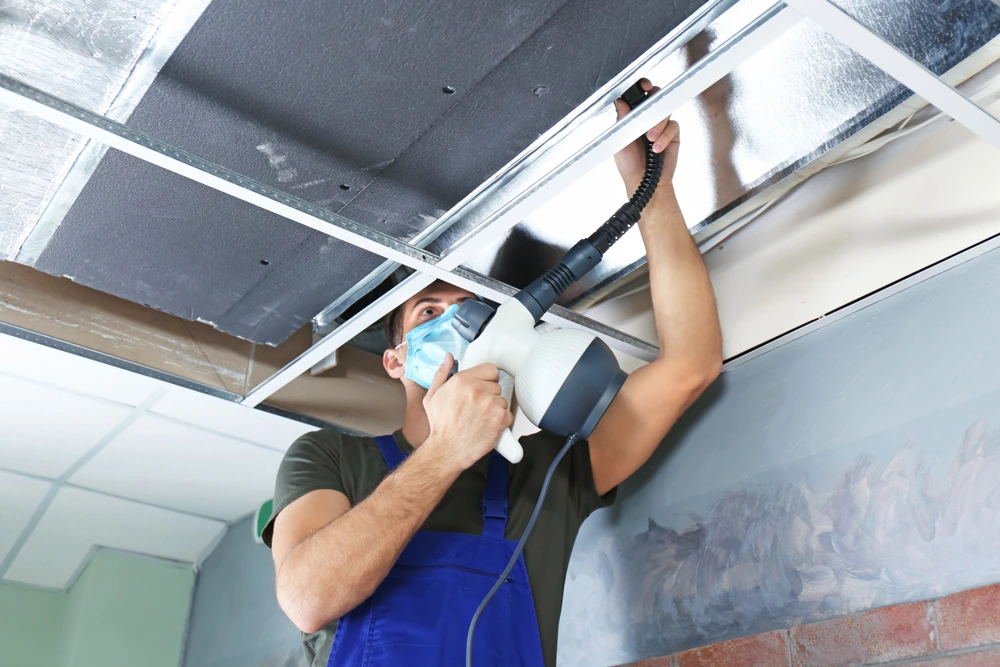
Why Soot in Ducts Is a Serious Problem
Soot is more than just a cosmetic issue. It consists of tiny carbon particles and toxic residues that can linger in your ductwork long after the initial fire or leak. If left unaddressed, soot can:
- Compromise indoor air quality, leading to respiratory issues, allergies, and lingering odors.
- Damage HVAC components, reducing system efficiency and lifespan.
- Spread contaminants throughout your home every time the system runs.
Prompt, thorough cleaning is essential to protect your health and restore your HVAC system’s performance.
Essential Safety Precautions Before Cleaning
Before starting any soot removal process, prioritize safety. Soot can contain hazardous chemicals and irritants. Take these precautions:
- Turn off your HVAC system to prevent further spread of soot.
- Wear protective gear: gloves, N95 or HEPA respirator mask, goggles, and disposable coveralls.
- Ventilate the area by opening windows and using fans if possible.
- Seal off supply and return registers with plastic sheeting to contain soot during cleaning.
If the affected area is large or the soot is oily and sticky, consider hiring a professional restoration company for safe and effective removal.
Step-by-Step Guide: Cleaning Soot From Air Ducts
Follow these steps to address soot contamination in your ductwork:
1. Inspect the Ductwork Thoroughly
Use a flashlight and a mirror or a duct inspection camera to check the extent of soot buildup. Pay attention to bends, joints, and areas near the furnace or air handler, where soot tends to accumulate.
2. Remove and Clean Vent Covers
Unscrew and remove all supply and return vent covers. Wash them with warm, soapy water and let them dry completely before reinstalling.
3. Vacuum Loose Soot and Debris
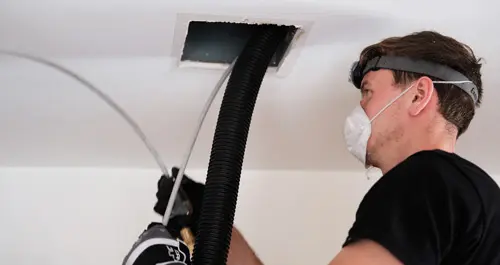
Use a vacuum with a HEPA filter to remove as much loose soot as possible from inside the ducts. Avoid using standard household vacuums, as they may blow fine particles back into the air. Attach a long, flexible hose to reach deeper into the ducts.
4. Wipe Down Duct Surfaces
After vacuuming, use microfiber cloths dampened with a mild detergent solution to wipe down accessible duct surfaces. For stubborn soot, a mixture of trisodium phosphate (TSP) and water can be effective. Always test cleaning solutions on a small area first and avoid saturating insulation or duct liners.
5. Address Persistent Odors and Fine Particles
Even after physical cleaning, odors and microscopic soot may linger. Running a HEPA air scrubber or air purifier can help capture remaining particles and neutralize smells. Replace your HVAC filter with a high-efficiency option after cleaning.
Professional Soot Removal: When to Call the Experts
Some situations require professional intervention, especially if:
- The fire or leak was extensive, affecting large sections of ductwork.
- Soot is oily, sticky, or deeply embedded in insulation or duct liners.
- You notice persistent odors or health symptoms after DIY cleaning.
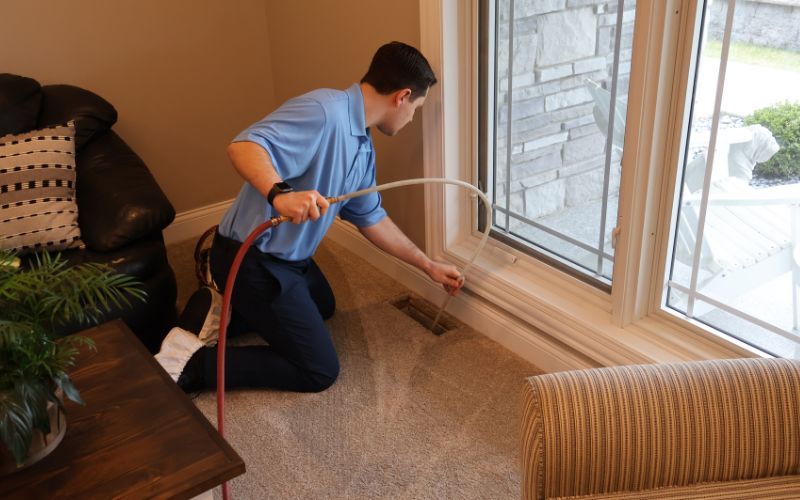
Certified duct cleaning specialists use advanced equipment, such as negative air machines and rotary brushes, to thoroughly remove soot and restore air quality. For more on advanced cleaning, see this resource on how to clean heating and air conditioning ducts yourself.
Preventing Soot Buildup in the Future
Once you’ve removed soot from your ductwork, take steps to prevent future contamination:
- Schedule regular HVAC maintenance and duct inspections.
- Install high-quality air filters and replace them frequently.
- Address leaks, water damage, or fire hazards promptly.
- Consider professional duct cleaning every few years, especially after any smoke or water event.
For related cleaning tips, you might also be interested in learning how to remove charcoal dust from vents after a leak or fire event.
Additional Tips for Effective Soot Removal
- Work in small sections to ensure thorough cleaning.
- Dispose of used cleaning cloths and filters safely, as they may contain hazardous residues.
- Document the cleaning process for insurance or warranty purposes.
- If you have a wood stove or fireplace, regular vent cleaning is essential. See this guide on how to clean a wood stove vent for more details.
Frequently Asked Questions
How long does it take to clean soot from ductwork?
The time required depends on the size of your HVAC system and the extent of soot contamination. For a typical home, a thorough DIY cleaning may take several hours, while professional services can often complete the job in half a day using specialized equipment.
Is it safe to use my HVAC system before cleaning out soot?
No, running your HVAC system before removing soot can spread contaminants throughout your home and worsen air quality. Always clean ducts and replace filters before turning the system back on after a fire or leak.
Can I clean soot from ducts myself, or do I need a professional?
Light soot buildup can often be addressed with careful DIY cleaning using HEPA-filtered vacuums and appropriate cleaning solutions. However, for heavy, sticky, or widespread contamination, or if you have health concerns, it’s best to hire a professional duct cleaning service.
What kind of filter should I use after cleaning soot from ducts?
Install a high-efficiency HEPA or MERV-rated filter to capture any remaining fine particles and help restore indoor air quality. Replace the filter frequently in the weeks following a soot event.
Conclusion
Learning how to remove soot from ductwork is essential for anyone dealing with the aftermath of a fire or leak. By following the steps outlined above, using the right safety precautions, and knowing when to call professionals, you can restore your home’s air quality and protect your HVAC system. For ongoing maintenance and related duct cleaning advice, explore resources on how to clean an HRV filter and how to clean a mini split head vs ducts to keep your entire ventilation system in top shape.