Insulation fibers in your air stream can lead to a range of problems, from respiratory irritation to decreased HVAC efficiency. Whether you’ve recently completed attic work, discovered damaged ductwork, or noticed unusual dust in your home, addressing airborne insulation particles is crucial for both health and comfort. This guide explains practical steps and best practices for minimizing and eliminating these fibers from your indoor air, ensuring a safer living environment.
Before diving into removal strategies, it’s important to understand how insulation fibers enter the air stream and why prompt action matters. These tiny particles can originate from deteriorating duct liners, loose attic insulation, or improper installation. Once airborne, they may circulate throughout your home, settling on surfaces and being inhaled by occupants. Left unchecked, they can aggravate allergies, trigger asthma, and reduce overall air quality.
For homeowners interested in broader air quality solutions, learning about how to clean pleated air filters can further improve filtration and reduce airborne contaminants.
Identifying the Presence of Insulation Fibers in Your Air
Recognizing when insulation fibers are present in your indoor air is the first step toward effective removal. Common signs include:
- Visible dust or fibrous material near vents or on surfaces
- Increased allergy symptoms, coughing, or throat irritation
- Unusual odors or musty smells from the HVAC system
- Recent attic, duct, or insulation work in the home
Inspect your air registers and HVAC filters for signs of fibrous debris. If you notice a persistent buildup, it’s likely that insulation particles are circulating through your system. In such cases, a thorough cleaning and targeted filtration are necessary to restore air quality.
Effective Methods for Removing Insulation Fibers From Air Streams
Once you’ve identified the problem, several strategies can help you eliminate insulation fibers from your home’s air. The most effective approach combines source control, filtration, and cleaning.
1. Locate and Seal the Source of Fiber Contamination
Begin by identifying where the fibers are entering the air stream. Common sources include:
- Damaged or deteriorated duct insulation
- Unsealed attic hatches or access panels
- Loose or exposed insulation near air returns
Seal any gaps or breaches in ductwork using mastic or foil tape. If insulation within the ducts is damaged, consider professional duct lining repair or replacement. Addressing the source prevents ongoing contamination and makes subsequent cleaning more effective.
2. Upgrade Filtration With HEPA or High-MERV Filters
Standard HVAC filters may not capture fine insulation fibers efficiently. Upgrading to a HEPA filter or a filter with a Minimum Efficiency Reporting Value (MERV) of 13 or higher can significantly improve particle capture. These filters are designed to trap even the smallest airborne contaminants, including fiberglass and mineral wool fibers.
Remember to check your HVAC system’s compatibility before installing higher-efficiency filters, as increased resistance may affect airflow. Regularly replace or clean filters to maintain optimal performance.
3. Use Portable Air Scrubbers and Purifiers
For rapid removal of airborne fibers, consider using a portable air scrubber equipped with a HEPA filter. These devices can be placed in affected rooms to continuously filter the air, capturing insulation particles and other allergens. Air purifiers with true HEPA filtration are also effective for ongoing maintenance.
4. Clean Ductwork and Vents Thoroughly
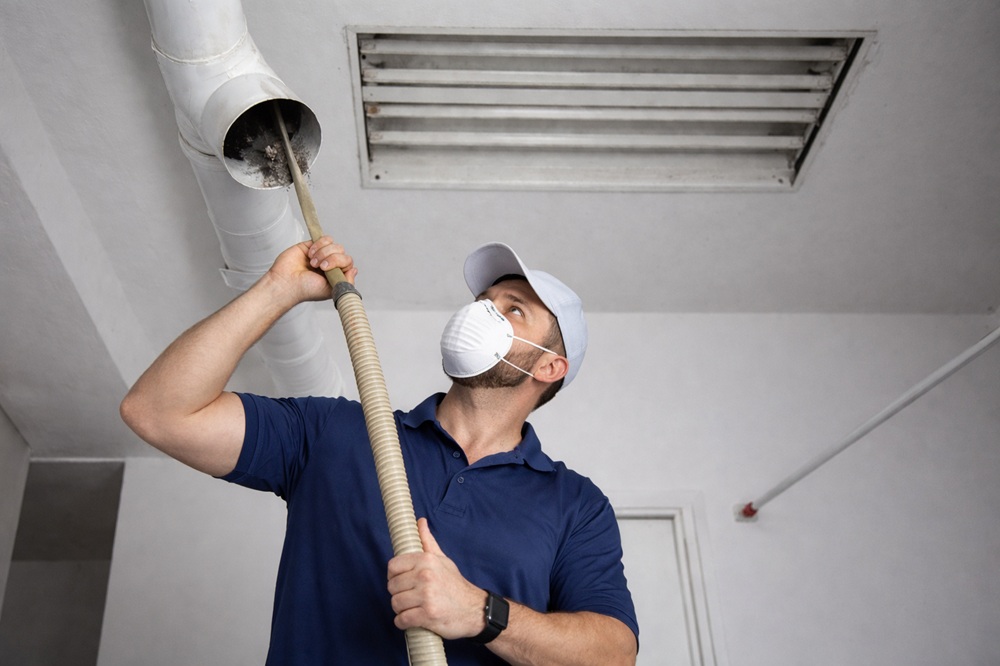
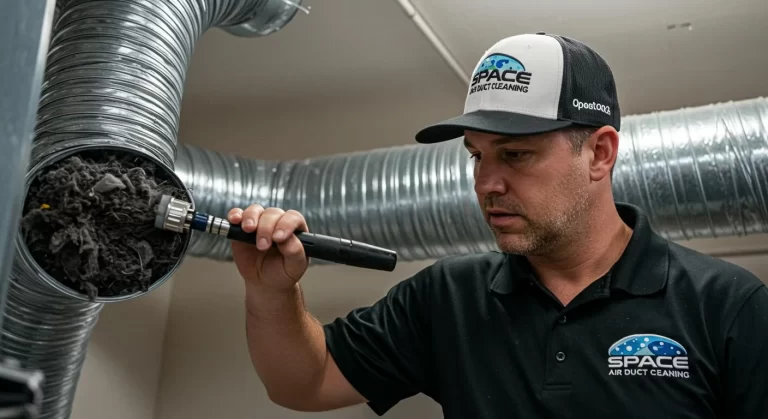
Professional duct cleaning is one of the most reliable ways to remove embedded insulation fibers from your HVAC system. Trained technicians use specialized vacuums and agitation tools to dislodge and capture particles from the entire duct network. For DIYers, carefully vacuuming accessible vents and returns with a HEPA-equipped vacuum can help, but avoid disturbing insulation directly to prevent further fiber release.
For more details on duct cleaning techniques, you may find this step-by-step guide to cleaning air ducts helpful.
5. Maintain a Regular Cleaning Routine
Even after the initial removal, some fibers may linger on surfaces or in the air. Regular dusting with damp microfiber cloths, vacuuming with HEPA-filtered machines, and periodic air filter changes will help keep your home free of residual particles. Pay special attention to high-traffic areas and rooms closest to the source of contamination.
Preventing Future Insulation Fiber Contamination
Prevention is key to maintaining clean indoor air. Here are some practical steps to minimize the risk of insulation fibers entering your air stream in the future:
- Inspect ductwork annually for signs of wear, gaps, or exposed insulation
- Ensure attic insulation is properly contained and sealed away from air returns
- Use air-tight covers on attic access points
- Schedule regular HVAC maintenance and filter changes
Additionally, if you’re planning renovations or insulation upgrades, work with qualified professionals who follow best practices for containment and cleanup. This reduces the likelihood of fibers becoming airborne during or after the project.
Additional Tips for Cleaner Indoor Air
Beyond insulation fibers, indoor air can be affected by other contaminants. Here are a few extra measures to keep your environment healthy:
- Consider using a leaf blower for vent cleaning as a supplementary method for dust removal (with caution and proper filtration in place).
- Monitor for signs of moisture in air ducts, as damp conditions can worsen fiber release and promote mold growth.
- Evaluate your duct system design for potential airflow issues that could contribute to dust and fiber accumulation. Learn more about recognizing poor duct design and its impact on air quality.
By staying proactive and informed, you can minimize airborne particles and enjoy a cleaner, healthier home.
Frequently Asked Questions
Are insulation fibers dangerous to breathe?
Inhaling insulation fibers, especially fiberglass or mineral wool, can irritate the respiratory system and aggravate allergies or asthma. Prolonged exposure may increase health risks, so it’s important to address contamination promptly and use proper protective equipment during cleanup.
Can I remove insulation fibers from the air myself, or do I need a professional?
Many homeowners can reduce airborne fibers with thorough cleaning, upgraded filtration, and portable air purifiers. However, if the source is damaged duct insulation or if fibers persist despite your efforts, professional duct cleaning and repair may be necessary for complete removal.
How often should I change my HVAC filter to prevent insulation fibers from circulating?
During and after a contamination event, check and replace your HVAC filter every 30 days or as recommended by the manufacturer. Using a high-efficiency filter (such as HEPA or MERV 13+) will improve capture of fine particles, including insulation fibers.