Maintaining your HVAC system is essential for both indoor air quality and energy savings. One often-overlooked task is keeping cold air returns clean. These vents play a crucial role in circulating air throughout your home, and when they’re clogged with dust or debris, your system has to work harder, leading to higher utility bills and potential wear on equipment. Learning how to clean cold air returns can make a noticeable difference in comfort and efficiency.
In this guide, you’ll find step-by-step instructions, practical tips, and answers to common questions about keeping your return vents spotless. For those interested in broader HVAC maintenance, you may also want to check out how to clean an HRV filter for more ways to keep your air system running smoothly.
Why Clean Return Vents Matter for HVAC Performance
Return vents, also called cold air returns, pull air from your living spaces back into the HVAC system to be heated or cooled again. When these vents are blocked by dust, pet hair, or other debris, airflow is restricted. This can cause:
- Reduced system efficiency – Your HVAC unit works harder, using more energy.
- Poor indoor air quality – Dust and allergens recirculate through your home.
- Uneven temperatures – Rooms may feel stuffy or uncomfortable.
- Increased wear and tear – Over time, this can shorten the lifespan of your equipment.
Regularly cleaning these vents is a simple way to support your HVAC system and improve the air you breathe.
Essential Tools and Supplies for Cleaning Cold Air Returns
Before you begin, gather the following items to make the process easier and more effective:
- Vacuum cleaner with hose and brush attachment
- Soft-bristled brush or old toothbrush
- Microfiber cloths
- Mild detergent or dish soap
- Screwdriver (if vent covers are screwed in place)
- Step stool or ladder (for high vents)
Optional but helpful: a HEPA air scrubber can further reduce airborne dust during cleaning. For those interested in advanced air cleaning, see the HEPA air scrubber option after the images below.
Step-by-Step Guide: Cleaning Cold Air Return Vents
Follow these steps to ensure your return vents are free from dust and debris:
- Turn off your HVAC system. This prevents dust from being pulled into the system while you work.
- Remove the vent cover. Use a screwdriver if necessary. Place screws somewhere safe so you don’t lose them.
- Vacuum the vent cover. Use the brush attachment to remove loose dust and dirt from both sides of the grille.
- Wash the cover. If it’s especially dirty, soak it in warm, soapy water. Scrub gently with a brush, then rinse and dry thoroughly.
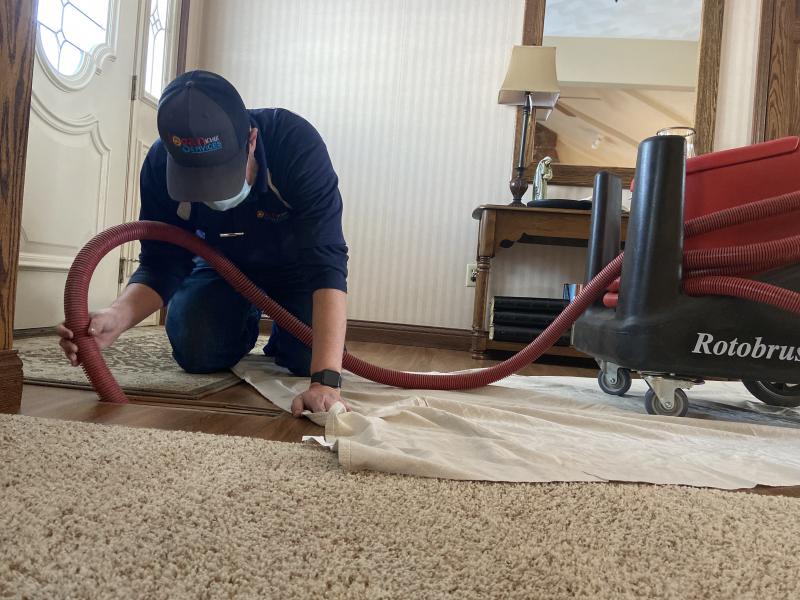
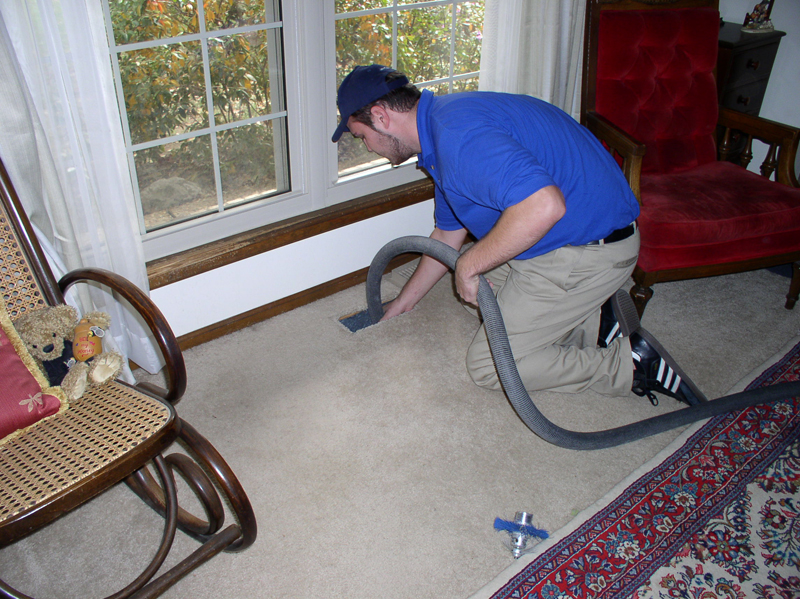
- Clean inside the duct opening. Carefully vacuum as far as you can reach inside the duct. Use a microfiber cloth or brush to wipe away stubborn dust.
- Reinstall the vent cover. Once dry, screw the cover back in place.
- Turn your HVAC system back on. Enjoy improved airflow and cleaner air.
How Often Should You Clean Return Vents?
For most homes, cleaning cold air returns every three to six months is sufficient. However, you may need to clean them more frequently if:
- You have pets that shed hair or dander
- There are allergy sufferers in your household
- Your home is undergoing renovations or is especially dusty
- You notice visible buildup or reduced airflow
Regular cleaning, along with other HVAC maintenance tasks such as cleaning a multi zone HVAC system, helps keep your system running efficiently year-round.
Tips for Maintaining Clean Air Returns
To keep your return vents cleaner for longer, try these practical tips:
- Change your HVAC filters regularly (every 1–3 months)
- Keep floors and surfaces near vents free of dust and pet hair
- Vacuum vent covers between deep cleanings
- Consider using vent filters for extra dust control (but check manufacturer recommendations)
When to Call a Professional for Return Vent Cleaning
While most homeowners can handle basic cleaning, there are times when professional help is recommended:
- Persistent dust problems despite regular cleaning
- Mold, mildew, or musty odors coming from vents
- Visible signs of pests or droppings inside ducts
- Extensive buildup deep inside ductwork
Professionals have specialized tools and can address issues beyond the reach of household vacuums. For more on advanced duct maintenance, see resources like this guide to DIY duct cleaning for additional insights.
Frequently Asked Questions
What is the difference between a cold air return and a supply vent?
A cold air return pulls air from your living space back into the HVAC system, while a supply vent delivers conditioned air from the system into your rooms. Both are essential for balanced airflow, but only the return should be cleaned as described here.
Can I use a disinfectant on my return vent covers?
Yes, after cleaning with soap and water, you can use a mild disinfectant on vent covers. Ensure they are completely dry before reinstalling to prevent mold growth.
Is it necessary to clean inside the ducts as well?
Cleaning just the vent covers and the area immediately inside the duct is sufficient for most homes. However, if you notice heavy buildup, odors, or allergy symptoms, consider a professional duct cleaning. You can also learn about related tasks like removing charcoal dust from vents for more specialized cleaning needs.
Conclusion
Keeping your cold air returns clean is a straightforward task that pays off in better air quality, lower energy bills, and a longer-lasting HVAC system. By following the steps outlined above and maintaining a regular cleaning schedule, you’ll ensure your home stays comfortable and your system runs efficiently. For those with unique setups, such as wood stoves or mini splits, explore related guides like how to clean a wood stove vent or how to clean a mini split head vs ducts for more targeted advice.