Keeping your heating, ventilation, and air conditioning (HVAC) system running efficiently is essential for both comfort and cost savings. Yet, one of the most overlooked threats to HVAC performance and longevity is dust. Even small amounts of dust can gradually cause wear and tear, reduce efficiency, and ultimately shorten the life of your system. Understanding how dust affects HVAC lifespan can help you take proactive steps to protect your investment and ensure your home or business remains comfortable year-round.
Dust doesn’t just settle on surfaces—it infiltrates air ducts, clogs filters, and coats sensitive components inside your HVAC system. Over time, this buildup forces your equipment to work harder, leading to higher energy bills, more frequent repairs, and a greater risk of breakdowns. Fortunately, with the right maintenance and cleaning strategies, you can minimize these risks and extend the useful life of your HVAC system.
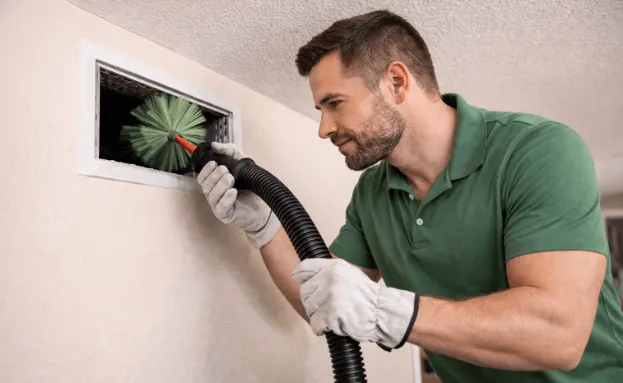
If you’re already practicing good filter maintenance, you might also be interested in learning how to clean an HRV filter for even better indoor air quality and system performance.
Why Dust Is a Major Threat to HVAC Systems
Dust is more than just a nuisance—it’s a combination of tiny particles including pollen, skin cells, fibers, and even microscopic debris from outdoors. When this mixture enters your HVAC system, it can cause a range of problems:
- Clogged filters restrict airflow, forcing the system to work harder and increasing wear on motors and fans.
- Dust accumulation on coils reduces heat transfer efficiency, making it harder to cool or heat your space.
- Blocked ducts can lead to uneven air distribution and hot or cold spots in your home or office.
- Increased risk of breakdowns as dust interferes with moving parts and electrical components.
Over time, these issues can significantly reduce the expected service life of your HVAC equipment. Regular cleaning and maintenance are essential to keep dust at bay and ensure optimal performance.
How Dust Shortens the Life of Your HVAC Equipment
The impact of dust on HVAC systems is both immediate and cumulative. Here’s how dust can directly and indirectly lead to premature system failure:
- Reduced Airflow: When dust clogs filters and ducts, your system has to work harder to push air through. This extra strain can burn out blower motors and cause overheating.
- Dirty Coils: Dust on evaporator and condenser coils acts as insulation, reducing their ability to absorb or release heat. This inefficiency makes the compressor run longer, increasing wear and tear.
- Contaminated Sensors and Controls: Dust can interfere with thermostats, dampers, and other control mechanisms, leading to erratic operation or system malfunctions.
- Increased Energy Consumption: As your HVAC system works harder to overcome dust-related blockages, it uses more electricity or fuel, driving up your utility bills.
All these factors contribute to a shorter operational life for your HVAC system and can result in expensive repairs or the need for early replacement.
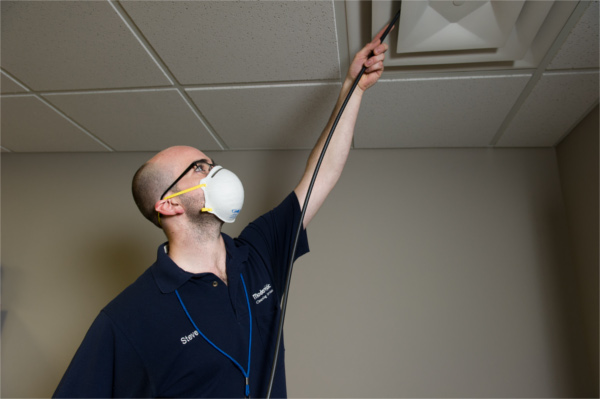
Signs That Dust Is Damaging Your HVAC System
Recognizing the early warning signs of dust-related HVAC problems can help you take action before serious damage occurs. Watch for these indicators:
- Unusual noises from vents or the main unit
- Reduced airflow or weak air pressure from registers
- Frequent cycling on and off
- Musty or dusty odors when the system runs
- Visible dust buildup on vents, grilles, or around the unit
- Sudden spikes in energy bills without a clear cause
If you notice any of these symptoms, it’s a good idea to inspect your filters and consider a professional duct cleaning. For more advanced systems, such as multi-zone setups, you can find tips on how to clean a multi zone HVAC system to keep everything running smoothly.
Best Practices for Minimizing Dust and Extending System Life
To protect your HVAC investment and ensure it lasts as long as possible, follow these proven strategies:
- Change Filters Regularly: Use high-quality filters and replace them according to the manufacturer’s recommendations, or more often if you have pets or allergies.
- Schedule Professional Duct Cleaning: Periodic cleaning removes dust and debris from inside your ductwork, improving airflow and indoor air quality.
- Seal Leaks and Gaps: Prevent dust from entering your system by sealing gaps around ducts, registers, and the air handler.
- Keep Surrounding Areas Clean: Vacuum and dust around vents, returns, and the HVAC unit itself to reduce the amount of debris entering the system.
- Upgrade to HEPA Filtration: Consider adding a HEPA air scrubber for enhanced dust removal, especially in homes with high dust loads or allergy concerns.
If you’re considering a DIY approach to duct cleaning, it’s important to understand the limitations and risks. For a detailed breakdown, see this guide on cleaning your air ducts yourself to decide if professional help is the better option.

Additional Tips for Protecting Your HVAC System from Dust
Beyond regular maintenance, there are a few more ways to reduce dust’s impact on your HVAC:
- Monitor Humidity Levels: Dry air can increase dust circulation. Use a humidifier to keep indoor humidity between 30–50%.
- Install Entryway Mats: Placing mats at doors helps trap dirt and dust before it enters your living space.
- Maintain Outdoor Units: Keep the area around your condenser free of leaves, grass clippings, and debris to prevent dust from being drawn into the system.
- Consider Specialized Cleaning: If you have unique dust sources, such as a wood stove, review tips on how to clean a wood stove vent to prevent soot and ash from entering your ducts.
Staying proactive with these steps will help you avoid costly repairs and keep your HVAC running efficiently for years to come.
Frequently Asked Questions
How often should HVAC filters be changed to prevent dust buildup?
Most experts recommend changing standard HVAC filters every 1–3 months. However, if you have pets, allergies, or live in a dusty environment, consider replacing them more frequently. High-efficiency filters may also require more regular checks.
Can dust in air ducts cause health problems?
Yes, accumulated dust in ducts can circulate allergens, mold spores, and other irritants throughout your indoor air. This can trigger allergies, asthma, and respiratory issues, especially in sensitive individuals.
Is professional duct cleaning necessary for every home?
Not every home needs frequent professional duct cleaning, but it’s highly recommended if you notice visible dust, mold, or persistent odors coming from your vents. Homes with recent renovations, pets, or smokers may also benefit from more regular cleanings.
Conclusion: Safeguarding Your HVAC Investment
Understanding how dust affects HVAC lifespan is crucial for anyone looking to maximize the value and performance of their heating and cooling system. By staying vigilant with filter changes, scheduling regular cleanings, and adopting smart dust-reduction habits, you can prevent premature wear and keep your HVAC running efficiently. For more targeted advice, explore resources on how to remove charcoal dust from vents or compare cleaning methods for different system types, such as how to clean a mini split head vs ducts. Taking these steps today will help you avoid costly repairs and enjoy cleaner, healthier air for years to come.