When buying or selling a property, the condition of the HVAC system is a crucial factor that can impact both value and peace of mind. One increasingly popular method for evaluating hidden ductwork is duct camera inspection for real estate transactions. This technology allows professionals to visually assess the interior of air ducts, revealing issues that might otherwise go unnoticed during a standard home inspection.
For real estate agents, buyers, and sellers, understanding the benefits and process of this type of inspection can help ensure a smooth transaction. It also provides transparency, supporting informed decisions about repairs, negotiations, and future maintenance. Before diving into the details, it’s worth noting that safety is paramount—learn more about duct camera inspection safety precautions to ensure every inspection is conducted responsibly.
Why Visual Duct Assessments Matter in Property Deals
The hidden nature of ductwork means that problems like mold, dust buildup, pest infestations, or physical damage can go undetected for years. These issues may affect indoor air quality, energy efficiency, and even the health of future occupants. By using a camera to inspect the inside of ducts, professionals provide a clear, unbiased view of their condition.
For buyers, this transparency can prevent unexpected expenses after moving in. Sellers benefit by addressing problems proactively, potentially increasing property value and speeding up the sale process. Real estate agents can use inspection reports to build trust and facilitate negotiations.
How Duct Camera Technology Works During Sales
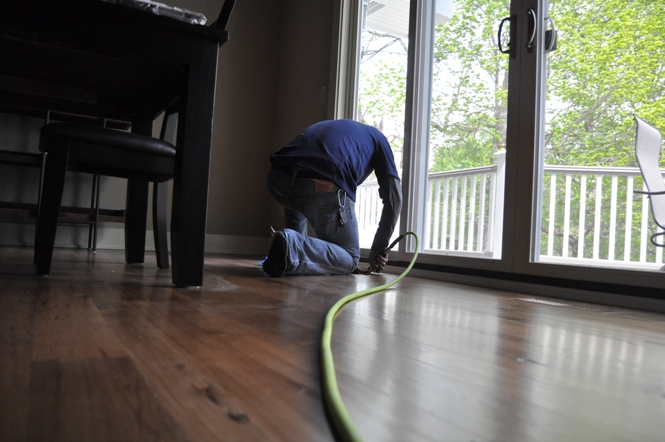
Modern duct camera inspection for real estate transactions uses specialized equipment designed to navigate the twists and turns of residential ductwork. These cameras are typically mounted on flexible cables or robotic crawlers, allowing inspectors to reach deep into the system and capture high-definition video or still images.
The process usually involves:
- Inserting the camera into accessible duct openings, such as vents or returns
- Guiding the camera through the ductwork to record footage of the interior surfaces
- Documenting any blockages, debris, mold, rust, or signs of pests
- Providing a detailed report with images or video for clients to review
Some advanced systems even offer duct camera inspection recording capabilities, allowing clients to keep a permanent record of the inspection for reference or future negotiations.
Key Benefits for Buyers, Sellers, and Agents
Incorporating a duct camera inspection into the property transaction process offers several advantages:
- Peace of Mind: Buyers gain confidence knowing the HVAC system is free from hidden issues.
- Negotiation Power: Inspection findings can be used to request repairs or adjust the sale price.
- Faster Closings: Addressing ductwork concerns early can prevent last-minute surprises that delay deals.
- Improved Air Quality: Identifying and resolving duct problems ensures a healthier living environment for new occupants.
- Documentation: Sellers can provide proof of system condition, supporting their asking price and reducing liability.
Common Issues Detected by Camera Inspections
A thorough camera-based evaluation can uncover a range of problems that might otherwise be missed. Some of the most common findings include:
- Mold or Mildew: Moisture in ducts can lead to unhealthy fungal growth.
- Dust and Debris: Excess buildup reduces air quality and HVAC efficiency.
- Pest Infestations: Rodents or insects may nest in ductwork, causing damage and contamination.
- Physical Damage: Crushed or disconnected ducts can compromise airflow and energy performance.
- Improper Repairs: Previous DIY fixes or code violations may be visible only with a camera.
What to Expect During the Inspection Process
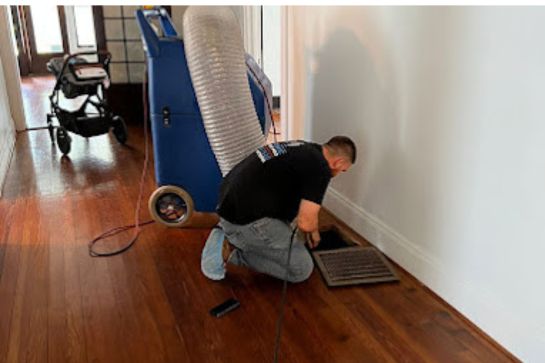
The typical inspection is straightforward and minimally invasive. Homeowners or agents should ensure that vents and returns are accessible before the technician arrives. The process usually takes one to two hours, depending on the size and complexity of the duct system.
After the inspection, clients receive a report detailing any findings, complete with images or video. This documentation can be shared with buyers, sellers, or contractors to support further action. For those interested in the technical side, resources like duct camera inspection equipment explained provide a deeper look at the tools used in these evaluations.
Compliance and Building Codes in Duct Inspections
In some regions, building codes may require certain standards for ductwork, especially in newer homes or major renovations. Camera inspections can help verify compliance and identify any violations that need correction before a sale. For a comprehensive overview, see this duct camera inspection building codes resource.
Staying informed about local regulations helps prevent costly delays and ensures the transaction proceeds smoothly.
Choosing the Right Inspection Service
Not all inspection providers offer the same level of expertise or technology. When selecting a company, consider the following:
- Experience with real estate transactions and reporting requirements
- Use of up-to-date camera systems, such as robotic duct camera inspection systems
- Clear, detailed reports with visual evidence
- Knowledge of local codes and industry best practices
- Positive reviews or recommendations from real estate professionals
For a homeowner’s perspective on the process, this home guide to air duct inspection offers practical advice and further reading.
FAQ: Duct Camera Inspections in Real Estate
Is a duct camera inspection required for selling a home?
While not always legally required, many buyers and real estate agents recommend a visual duct assessment to ensure transparency and avoid disputes over HVAC condition. Some regions or lenders may have specific requirements, so it’s best to check local regulations.
How much does a duct camera inspection cost?
The price varies depending on the size of the property and the complexity of the ductwork. On average, costs range from $200 to $500. This investment can help prevent much larger expenses by identifying hidden issues early.
What happens if problems are found during the inspection?
If issues such as mold, damage, or pest infestations are discovered, buyers and sellers can negotiate repairs or price adjustments. Addressing these concerns before closing helps ensure a fair transaction and a healthier home environment.