Understanding the state of your home’s ductwork is crucial for maintaining indoor air quality, energy efficiency, and the overall performance of your HVAC system. One of the most reliable ways to uncover hidden issues, such as disconnected or damaged sections, is through duct camera inspection for disconnected ducts. This process uses specialized cameras to visually assess the inside of your ductwork, identifying problems that would otherwise remain invisible.
Homeowners and facility managers often overlook ductwork until problems arise, such as uneven heating or cooling, increased dust, or unexplained spikes in energy bills. These symptoms can be caused by disconnected ducts, which allow conditioned air to escape and contaminants to enter the system. By using a duct camera, professionals can pinpoint the exact location and nature of these issues, enabling targeted repairs and preventing further complications.
If you’re interested in broader duct and vent maintenance, you may also want to learn about how to clean an HRV filter to keep your ventilation system running smoothly.
Why Disconnected Ducts Are a Serious Problem
A disconnected or broken duct can have a significant impact on both comfort and health. When a duct becomes separated, conditioned air leaks into crawl spaces, attics, or walls, never reaching the intended rooms. This not only wastes energy but also forces your HVAC system to work harder, shortening its lifespan and increasing utility costs.
Additionally, disconnected ducts can draw in dust, insulation fibers, mold spores, and other contaminants from unconditioned spaces. These pollutants then circulate throughout your home, potentially leading to respiratory issues and allergies. Early detection and repair are essential to avoid these risks.
How Duct Camera Inspection for Disconnected Ducts Works
A duct camera inspection for disconnected ducts involves inserting a small, flexible camera into the ductwork. This camera transmits real-time video to a monitor, allowing technicians to visually inspect the entire length of the system. The process is minimally invasive and can be completed without dismantling large sections of your HVAC setup.
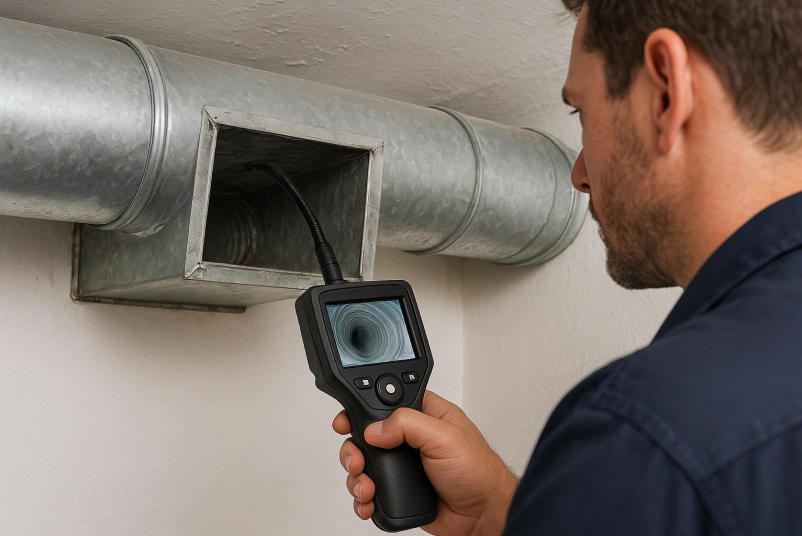
During the inspection, the technician looks for signs of separation, blockages, debris buildup, and other forms of damage. The camera’s high-resolution feed makes it possible to spot even small gaps or misalignments that could compromise your system’s performance.
For a deeper understanding of the inspection process and best practices, the NADCA guide for new technicians provides industry insights and recommendations.
Key Benefits of Using a Camera for Duct Inspections
There are several advantages to choosing a camera-based approach for diagnosing ductwork problems:
- Accurate Detection: Cameras reveal exact locations of disconnections, leaks, or obstructions, reducing guesswork and unnecessary repairs.
- Minimally Invasive: No need to cut into walls or ceilings, as the camera can navigate most duct layouts with ease.
- Visual Documentation: Homeowners receive video or photo evidence of issues, which can be useful for insurance claims or warranty work.
- Cost-Effective: By pinpointing the problem, technicians can focus repairs where they’re needed, saving time and money.
- Improved Air Quality: Identifying and fixing disconnected ducts helps prevent contaminants from entering your living spaces.
Common Signs That Indicate Disconnected Ducts
While a professional inspection is the most reliable way to diagnose duct problems, there are several warning signs that may suggest a section of your ductwork is disconnected:
- Uneven temperatures between rooms or floors
- Noticeable increase in dust or allergy symptoms
- Unexplained rise in heating or cooling costs
- Weak airflow from vents
- Noisy HVAC operation or whistling sounds from ducts
If you notice any of these issues, scheduling a duct camera inspection for disconnected ducts can help identify the root cause and prevent further damage.
What to Expect During a Professional Duct Camera Inspection
The inspection process is straightforward and typically follows these steps:
- Initial Assessment: The technician will ask about symptoms and visually inspect accessible ductwork for obvious issues.
- Camera Insertion: A flexible camera is inserted into the duct system through a vent or access panel.
- Real-Time Review: The technician watches the live video feed, looking for signs of separation, blockages, or other damage.
- Documentation: Photos or video clips are saved to document any problems found.
- Report and Recommendations: After the inspection, you’ll receive a summary of findings, along with repair options if needed.
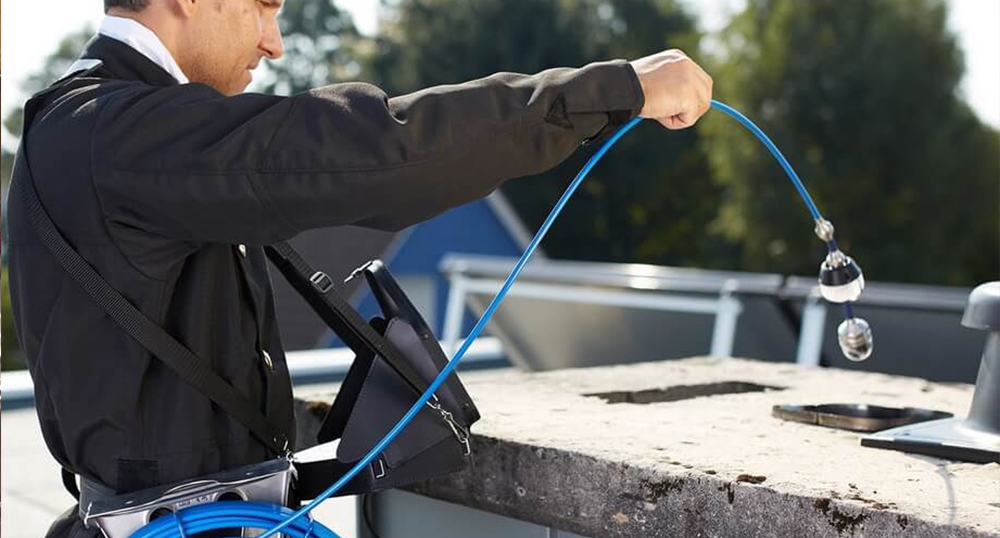
This process is generally quick, with most inspections taking less than two hours, depending on the size and complexity of your duct system.
Repairing and Preventing Disconnected Ducts
Once a disconnected section is identified, repairs typically involve resealing or reconnecting the ductwork using mastic, metal tape, or mechanical fasteners. In some cases, damaged sections may need to be replaced entirely. After repairs, a follow-up camera inspection ensures the problem has been fully resolved.
To prevent future issues, regular maintenance is key. Schedule periodic inspections, keep vents clean, and address any HVAC performance changes promptly. For those managing more complex systems, learning how to clean a multi zone HVAC system can further reduce the risk of duct separation and improve overall efficiency.
When Should You Schedule a Duct Camera Inspection?
It’s a good idea to arrange an inspection if:
- You’ve recently purchased a home and want to assess the condition of the HVAC system
- You’re experiencing persistent comfort or air quality issues
- Your HVAC system is older or has undergone recent repairs
- There are visible signs of damage, such as disconnected or sagging ducts in attics or crawl spaces
Proactive inspections can catch problems early, saving you money and hassle in the long run.
Frequently Asked Questions
How often should ductwork be inspected with a camera?
For most homes, a camera inspection every 3–5 years is sufficient, unless you notice symptoms like uneven airflow or increased dust. Homes with pets, recent renovations, or older HVAC systems may benefit from more frequent checks.
Can I perform a duct camera inspection myself?
While consumer-grade inspection cameras are available, professional technicians have the training and equipment to thoroughly assess ductwork and interpret findings accurately. DIY inspections may miss subtle issues or lead to incomplete repairs.
What other maintenance can improve duct system performance?
In addition to inspections, regular cleaning and prompt repairs are essential. You can also improve performance by learning how to use a shop vac for vent suction to remove debris and keep airflow unobstructed.
Conclusion
A duct camera inspection for disconnected ducts is one of the most effective ways to ensure your HVAC system operates efficiently and safely. By identifying hidden problems early, you can avoid costly repairs, improve indoor air quality, and maintain consistent comfort throughout your home. If you suspect issues with your ductwork, consider scheduling a professional inspection to protect your investment and your health.