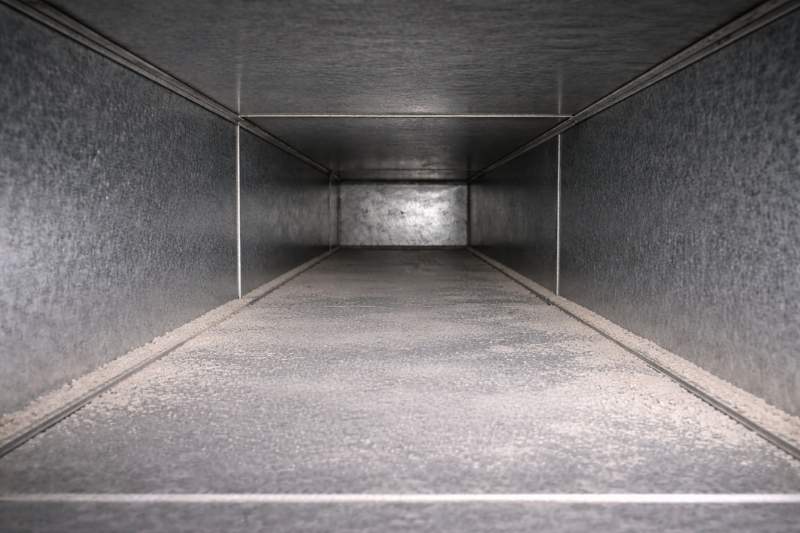
Keeping air ducts clean is essential for maintaining healthy indoor air and ensuring HVAC systems run efficiently. Over time, dust, dirt, and other debris can accumulate inside ductwork, leading to reduced airflow, increased energy costs, and potential health concerns. One of the most effective ways to identify and address these issues is through duct camera inspection for debris detection. This process uses specialized cameras to visually assess the interior of ducts, pinpointing problem areas that may otherwise go unnoticed.
If you’re curious about what happens during a professional cleaning, you can learn more by reading about what happens during a professional duct cleaning. Understanding the inspection process can help you make informed decisions about your home’s air quality and system maintenance.
How Camera-Based Duct Inspections Work
A duct camera inspection involves inserting a small, flexible camera into the ductwork. This camera transmits real-time video to a monitor, allowing technicians to see inside the ducts without dismantling the system. The process is minimally invasive and highly effective for identifying blockages, dust buildup, mold, and even pest infestations.
The camera is typically mounted on a long, flexible rod or cable, making it possible to navigate bends and reach deep into the duct system. High-resolution imaging ensures that even small particles or hidden obstructions are visible. This visual evidence helps professionals determine the extent of contamination and decide on the best cleaning or remediation approach.
Benefits of Using Cameras for Debris Detection
There are several advantages to using camera inspections for duct debris detection:
- Accurate Assessment: Visual confirmation allows for precise identification of problem areas, ensuring that cleaning efforts are targeted and effective.
- Documentation: Video and images can be saved for records, making it easier to track duct conditions over time or provide evidence for warranty and insurance claims.
- Cost Savings: By pinpointing exactly where debris is located, unnecessary cleaning or repairs can be avoided, saving both time and money.
- Peace of Mind: Homeowners and building managers can see the condition of their ducts firsthand, eliminating guesswork and uncertainty.
For a deeper dive into the technology and its role in HVAC maintenance, the duct inspection camera guide for HVAC system maintenance offers a comprehensive overview.
Common Types of Debris Found During Inspections
During a duct camera inspection for debris detection, technicians often encounter a range of contaminants, including:
- Dust and Dirt: The most common debris, often resulting from daily household activities and inadequate filtration.
- Construction Residue: Sawdust, drywall particles, and other materials left behind after renovations or building work.
- Mold and Mildew: Moisture in ducts can lead to microbial growth, which is a significant health concern.
- Pest Droppings and Nests: Rodents, insects, and birds sometimes find their way into ductwork, leaving behind waste and nesting materials.
- Foreign Objects: Occasionally, small toys, tools, or other items end up inside ducts, obstructing airflow.
Identifying these contaminants is crucial for maintaining good indoor air quality. For more on this topic, see the article on the impact of dusty ducts on indoor air quality.
When Should You Schedule a Duct Camera Inspection?
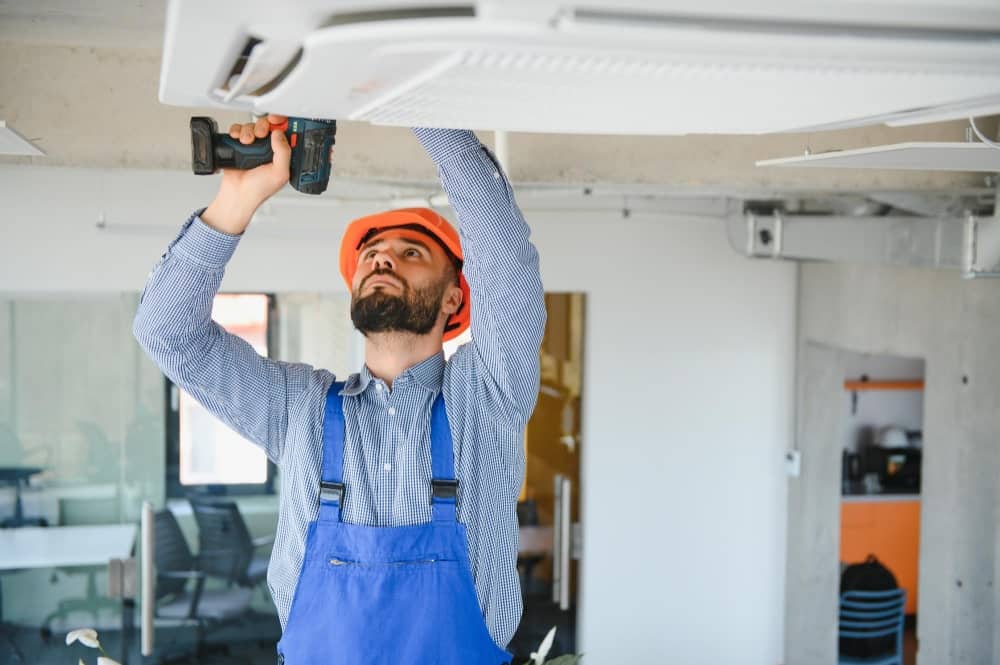
Knowing when to arrange a duct camera inspection can help prevent problems before they escalate. Here are some signs and situations that suggest it’s time for a professional evaluation:
- Visible dust or debris coming from vents
- Unexplained allergy symptoms or respiratory issues among occupants
- Recent home renovations or construction projects
- Unusual odors or signs of mold growth
- Reduced airflow or uneven heating/cooling
- It’s been several years since the last inspection or cleaning
For guidance on maintenance frequency, you can refer to expert advice on how often should air ducts be cleaned.
What to Expect During the Inspection Process
A typical duct camera inspection for debris detection follows a straightforward process:
- Initial Assessment: The technician will discuss any concerns and inspect accessible duct openings.
- Camera Insertion: The camera is carefully fed into the ductwork, transmitting live images to a monitor.
- Systematic Review: The technician navigates the camera through the system, documenting areas with debris, blockages, or damage.
- Reporting: Findings are shared with the homeowner, often accompanied by photos or video clips.
- Recommendations: Based on the inspection, the technician may suggest cleaning, repairs, or further testing.
If you’re interested in tackling some maintenance yourself, check out the step-by-step guide on how to clean air ducts yourself and the list of tools needed for diy duct cleaning.
Frequently Asked Questions
Is a camera inspection necessary for every duct cleaning?
While not always required, using a camera provides a clear view of the duct’s interior, ensuring that cleaning is truly needed and that all problem areas are addressed. It’s especially valuable in older homes, after renovations, or when persistent air quality issues are present.
How long does a typical duct camera inspection take?
Most inspections can be completed within one to two hours, depending on the size and complexity of the ductwork. Larger buildings or systems with extensive contamination may require additional time.
Can I perform a duct camera inspection myself?
While consumer-grade inspection cameras are available, professional-grade equipment provides higher resolution and better maneuverability. For accurate results and thorough documentation, it’s generally best to hire a qualified technician.
Will the inspection disrupt my home or business?
The process is minimally invasive and does not require dismantling the duct system. Most inspections cause little to no disruption to daily activities.
Conclusion
Regular duct camera inspection for debris detection is a proactive way to maintain healthy indoor air, extend the life of your HVAC system, and avoid costly repairs. By leveraging advanced camera technology, both homeowners and professionals can accurately assess duct conditions and take targeted action to resolve issues. Whether you’re considering a professional service or simply want to understand your options, staying informed about this process is key to a cleaner, healthier environment.