Purchasing a new home is one of the most significant investments most people make. While buyers often focus on visible features like kitchens, bathrooms, and roofs, the condition of the home’s hidden systems is just as important. One area that is frequently overlooked is the HVAC ductwork. A duct camera inspection before buying a house can reveal hidden issues that might otherwise go unnoticed, helping buyers make informed decisions and avoid costly surprises.
Understanding what a duct camera inspection involves, why it’s valuable, and how it fits into the overall home buying process can help you protect your investment and ensure a healthy indoor environment. For those interested in maintaining clean and efficient ventilation, you might also find it useful to learn how to clean an HRV filter as part of regular home care.
What Is a Duct Camera Inspection?
A duct camera inspection uses a specialized camera system to visually examine the inside of a home’s air ducts. The camera, attached to a flexible cable, is inserted into the ductwork and transmits real-time video to a monitor. This allows professionals to assess the condition of the ducts, identify blockages, check for mold or debris, and spot any damage or leaks.
Unlike a standard visual check, this method provides a detailed look at areas that are otherwise inaccessible. It is especially useful for older homes or properties that have not had recent HVAC maintenance. By using this technology, buyers can gain a clear understanding of the state of the home’s ventilation system before making a purchase.

Why Request a Duct Camera Inspection Prior to Purchase?
There are several compelling reasons to request a duct camera inspection before buying a house:
- Uncover Hidden Problems: Ducts can harbor dust, mold, pests, or even construction debris. These issues are not visible during a standard home walkthrough but can impact air quality and system efficiency.
- Prevent Health Risks: Mold and bacteria in ductwork can trigger allergies and respiratory issues. Early detection allows for remediation before moving in.
- Assess System Efficiency: Leaks, blockages, or disconnected ducts reduce HVAC performance and increase energy bills. Identifying these issues helps buyers negotiate repairs or price adjustments.
- Plan for Maintenance: Knowing the condition of the ductwork helps buyers budget for cleaning or repairs, avoiding unexpected expenses after closing.
Incorporating this inspection into your home buying process can provide peace of mind and potentially save thousands of dollars in future repairs.
How the Duct Camera Process Works
The process for inspecting ductwork with a camera is straightforward and minimally invasive. Here’s what buyers can expect:
- Scheduling: Contact a qualified HVAC or duct cleaning professional who offers camera inspections. It’s best to coordinate this with your general home inspection.
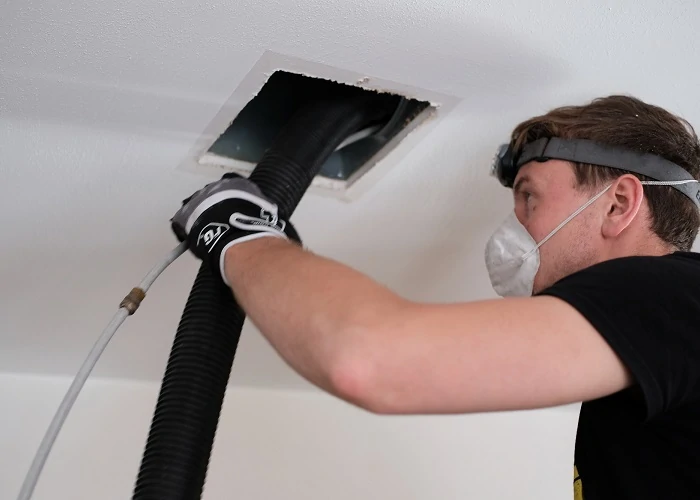
- Inspection Day: The technician will access the ductwork through existing vents or registers. The camera is inserted and guided through the system, capturing video and images.
- Reviewing Findings: The technician will review the footage with you, pointing out any issues such as blockages, mold, or damage.
- Report: Many companies provide a written report with images, outlining any recommended actions or repairs.
This process typically takes one to two hours, depending on the size of the home and complexity of the duct system.
What Can Be Detected During a Duct Camera Inspection?
A thorough examination of the ductwork can reveal a range of issues, including:
- Mold and Mildew: Moisture in ducts can lead to mold growth, which is a health hazard.
- Dust and Debris: Accumulated dust, pet hair, and construction debris can restrict airflow and reduce air quality.
- Pest Infestations: Rodents or insects may nest in ductwork, leaving behind droppings or causing damage.
- Physical Damage: Crushed, disconnected, or leaking ducts reduce system efficiency and can be costly to repair.
- Obstructions: Foreign objects or collapsed sections can block airflow, stressing the HVAC system.
Identifying these problems early allows buyers to request repairs or cleaning before finalizing the purchase, ensuring the home is safe and comfortable from day one.
How to Choose a Qualified Inspector
Not all home inspectors include ductwork assessments as part of their standard evaluation. To ensure a comprehensive review, look for a professional with experience in HVAC systems and camera inspections. Ask for references, check credentials, and confirm that the inspector uses modern camera equipment capable of capturing clear images.
It’s also wise to request a sample report to understand the level of detail provided. Some companies, such as those highlighted in this overview of HVAC duct camera inspection services, offer detailed documentation and recommendations that can be shared with sellers or used in negotiations.
Integrating Duct Camera Findings Into Your Home Buying Decision
Once you have the inspection results, review them carefully with your real estate agent and, if needed, an HVAC specialist. If significant issues are found, you may choose to:
- Request that the seller remediate the problems before closing.
- Negotiate a lower purchase price to account for necessary repairs or cleaning.
- Walk away from the purchase if the issues are severe and the seller is unwilling to address them.
Having this information puts buyers in a stronger negotiating position and helps ensure there are no unpleasant surprises after moving in.
Additional Tips for Maintaining Healthy Ductwork
After moving into your new home, regular maintenance is key to keeping your HVAC system running smoothly. In addition to periodic camera inspections, consider:
- Changing air filters every 1–3 months.
- Scheduling professional duct cleaning every few years, or more often if you have pets or allergies.
- Monitoring for signs of moisture or musty odors, which can indicate mold growth.
- Learning about related maintenance, such as how to clean a multi zone HVAC system for homes with advanced ventilation setups.
Proactive care helps maintain indoor air quality, improves energy efficiency, and extends the life of your HVAC system.
FAQ
Is a duct camera inspection necessary for every home purchase?
While not mandatory, this type of inspection is highly recommended, especially for older homes, properties with visible dust or mold issues, or homes that have not had recent HVAC maintenance. It provides valuable insights that standard home inspections may miss.
How much does a duct camera inspection cost?
The cost varies based on home size and location, but most inspections range from $200 to $500. The investment is often worthwhile compared to the potential cost of undiscovered ductwork problems.
Can I perform a duct camera inspection myself?
DIY duct cameras are available, but professional inspections are more thorough and reliable. Professionals have the experience and equipment to identify subtle issues and provide actionable recommendations.