After a major home or commercial renovation, it’s easy to overlook what might be lurking inside your HVAC system. Construction dust, debris, and even small tools can find their way into ductwork during the process. This is where a duct camera inspection after renovation becomes essential. Using specialized cameras, professionals can thoroughly examine the inside of your air ducts to ensure they’re clean, safe, and free from obstructions that could impact air quality or system performance.
Neglecting this crucial step can lead to poor indoor air quality, increased allergy symptoms, and even reduced efficiency of your heating and cooling system. For those who want to maintain a healthy environment and protect their investment, a post-renovation duct inspection is a smart move. If you’re interested in broader HVAC maintenance, you might also find our guide on how to clean an HRV filter helpful for ongoing upkeep.
Why a Post-Renovation Duct Camera Inspection Matters
Renovation projects, whether large or small, almost always generate dust and debris. Even with the best contractor practices, particles can infiltrate your ductwork. A duct camera inspection after renovation helps identify:
- Construction dust and fine particles that have settled inside ducts
- Leftover debris such as nails, screws, or insulation fragments
- Potential blockages that could restrict airflow
- Signs of mold growth due to moisture from construction activities
Without a thorough inspection, these contaminants can circulate throughout your property every time the HVAC system runs, impacting both comfort and health.
What Is Involved in a Duct Camera Inspection?
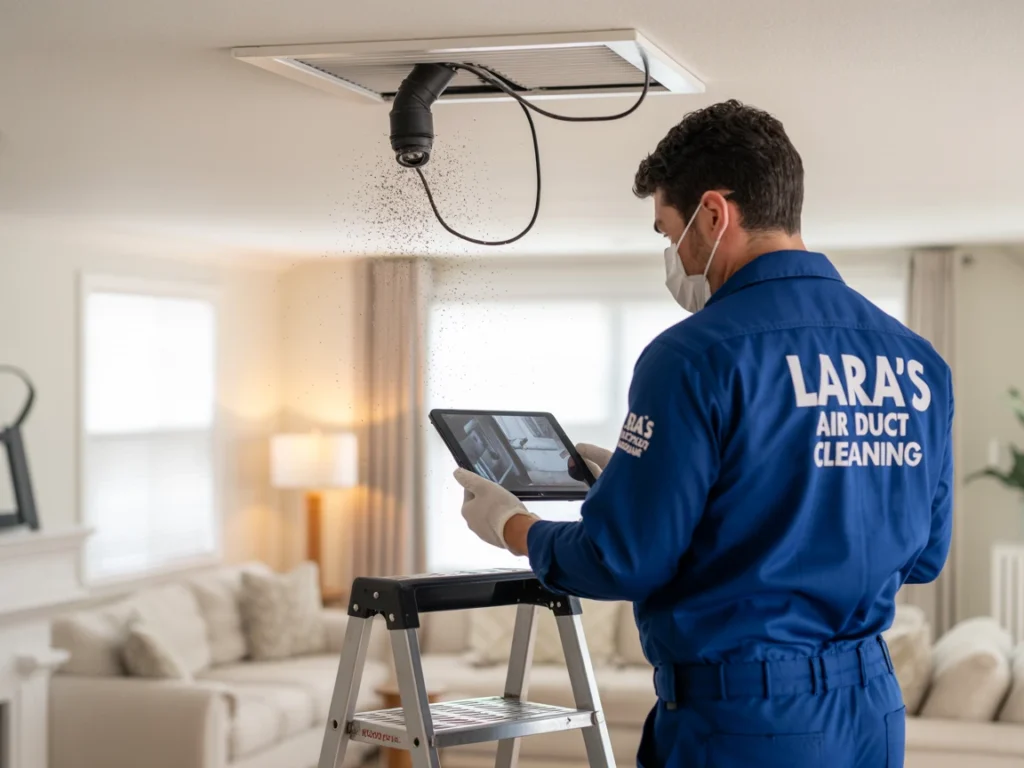
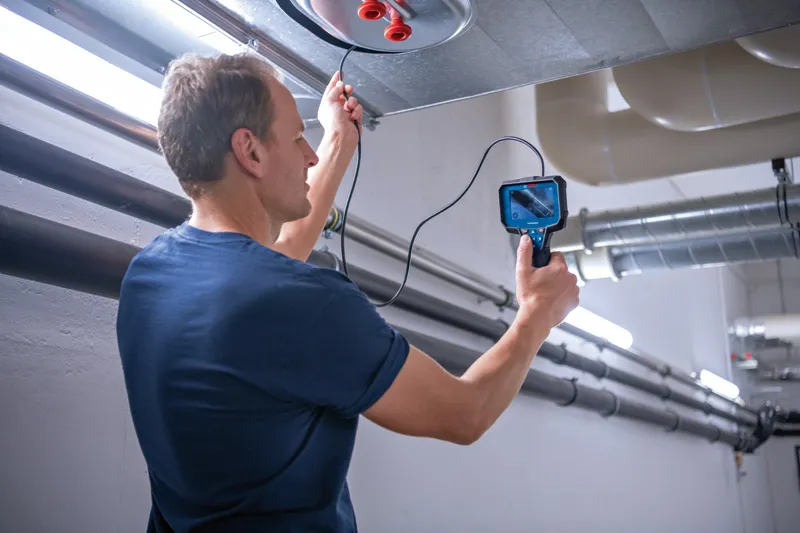
Modern duct inspections use high-resolution cameras mounted on flexible cables. These cameras are inserted into the ductwork through access points, allowing technicians to see real-time video of the interior. The process typically includes:
- Initial assessment: The technician identifies access points and reviews the HVAC layout.
- Camera insertion: The camera is carefully guided through the ducts, capturing video and images.
- Documentation: Any issues such as blockages, debris, or damage are recorded for review.
- Reporting: A detailed report is provided, often with visual evidence, outlining any recommended cleaning or repairs.
This non-invasive method ensures a comprehensive look at areas that are otherwise impossible to inspect visually.
Benefits of Using a Camera for Duct Inspection After Construction
There are several advantages to choosing a duct camera inspection after renovation rather than relying on guesswork or basic visual checks:
- Accurate detection: Cameras reveal hidden dust, debris, and even small animals or pests that may have entered during construction.
- Targeted cleaning: By pinpointing problem areas, cleaning can be more effective and efficient.
- Peace of mind: Homeowners and facility managers can be confident that the air circulating in their space is clean.
- Preventative maintenance: Early detection of issues like mold or damage can prevent costly repairs down the line.
For a deeper dive into the technology and process, you can explore this comprehensive overview of camera duct inspections from industry experts.
When Should You Schedule a Duct Camera Inspection?
While it’s always wise to inspect ducts after any major construction, certain situations make a camera inspection especially important:
- After drywall installation or sanding, which produces fine dust
- When insulation or ductwork modifications have occurred
- If you notice unusual odors or increased allergy symptoms post-renovation
- Before moving into a newly renovated property
Timely inspection ensures that your HVAC system is free from contaminants before you resume normal use.
How to Prepare for a Duct Camera Inspection
To get the most accurate results from your inspection, consider these preparation steps:
- Turn off your HVAC system before the technician arrives.
- Clear access to vents, registers, and mechanical rooms.
- Inform the technician of any recent issues or concerns, such as persistent dust or odors.
- Ask for a copy of the inspection report and any images or video captured during the process.
Being proactive helps ensure a smooth and effective inspection, allowing any necessary cleaning or repairs to be scheduled promptly.
What Happens If Problems Are Found?
If the inspection uncovers significant dust, debris, or other issues, the next step is usually a professional duct cleaning. This may involve:
- High-powered vacuums to remove accumulated dust and particles
- Specialized brushes to dislodge stubborn debris
- Sanitizing treatments if mold or bacteria are present
In some cases, repairs to damaged ductwork may be recommended. Addressing these issues promptly helps maintain system efficiency and indoor air quality. For related cleaning tips, you might be interested in learning how to clean a multi zone HVAC system for more complex setups.
Choosing a Qualified Duct Inspection Provider
Not all service providers have the same level of expertise or equipment. When selecting a company for your duct camera inspection after renovation, look for:
- Technicians with experience in post-construction inspections
- Modern, high-resolution camera equipment
- Clear reporting with images or video evidence
- Positive reviews and references from previous clients
Asking the right questions up front can help you avoid unnecessary costs and ensure a thorough job.
Maintaining Clean Ducts After Renovation
Once your ducts are inspected and cleaned, ongoing maintenance is key. Consider these best practices:
- Change HVAC filters regularly, especially after construction
- Schedule periodic inspections, particularly if you notice dust buildup or reduced airflow
- Seal ducts properly to prevent future contamination
- Keep renovation areas isolated from the rest of the property whenever possible
Staying proactive will help you enjoy the benefits of your renovation without compromising air quality.
Frequently Asked Questions
How soon after renovation should I schedule a duct camera inspection?
It’s best to arrange an inspection as soon as all construction work is complete and before you resume regular use of your HVAC system. This ensures any dust or debris is identified and removed before it circulates through your space.
Can I perform a duct inspection myself?
While some DIY cameras are available, professional inspections use specialized, high-resolution equipment and experienced technicians who know what to look for. For most homeowners and businesses, hiring a professional is the safest and most effective option.
What are the signs that my ducts need cleaning after renovation?
Common indicators include persistent dust on surfaces, musty or unusual odors, increased allergy symptoms, or reduced HVAC efficiency. If you notice any of these after a renovation, a camera inspection is highly recommended.