Proper maintenance of your HVAC system is essential for healthy indoor air and efficient operation. One of the most effective ways to verify the results of professional duct cleaning is through a duct camera inspection after duct cleaning. This process involves using specialized cameras to visually assess the interior of your ductwork, ensuring that cleaning was thorough and no debris or blockages remain.
For homeowners and facility managers, understanding the value and process of post-cleaning camera inspections can help you make informed decisions about your indoor air quality. In this article, we’ll break down how these inspections work, the benefits they offer, and what to expect from a reputable service provider.

If you’re interested in broader HVAC maintenance, you might also want to learn how to clean a multi zone HVAC system for optimal performance.
Why Post-Cleaning Camera Inspections Matter
After a professional duct cleaning, it’s natural to wonder whether the job was completed effectively. A duct camera inspection after duct cleaning provides visual proof that contaminants, dust, and debris have been removed. This verification step is especially important for:
- Ensuring the cleaning process met industry standards
- Identifying any overlooked areas or persistent blockages
- Documenting the condition of ductwork for maintenance records
- Providing peace of mind for property owners and occupants
Without this inspection, it’s difficult to confirm that your air ducts are truly clean. Visual evidence can also be helpful if you need to address warranty concerns or communicate with service providers about any follow-up work.
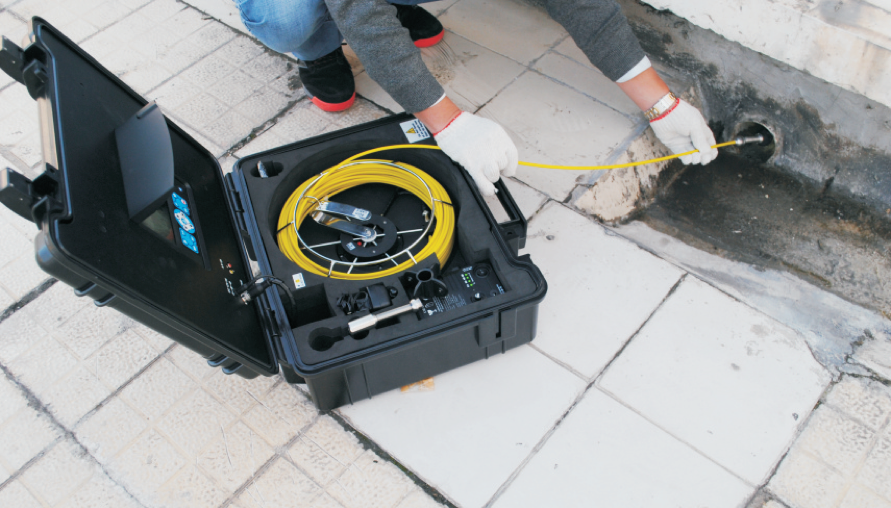
How Duct Camera Inspections Work
The process of inspecting ductwork with a camera involves several steps designed to give a clear, real-time view of your system’s interior. Here’s what typically happens:
- Preparation: The technician selects access points in your ductwork, often at vents or maintenance panels. These entry points allow the camera to reach different sections of the system.
- Camera Insertion: A flexible, high-resolution camera—sometimes called a borescope or CCTV duct camera—is inserted into the duct. The camera is maneuvered through the ductwork, transmitting live video to a monitor.
- Visual Assessment: The technician examines the footage, looking for residual dust, mold, debris, or obstructions. They may pause or rewind the video to inspect specific areas more closely.
- Documentation: Images or video clips are often saved for your records. Some companies provide a detailed report with before-and-after photos.
- Review and Recommendations: Based on the inspection, the technician will discuss findings and suggest any further actions if needed.
This process is non-invasive and does not damage your ductwork. It’s a reliable way to ensure that your cleaning investment delivers the intended results.
Key Benefits of Using a Duct Camera After Cleaning
A thorough duct camera inspection after duct cleaning offers several advantages:
- Transparency: You receive visual confirmation of the cleaning quality, reducing uncertainty.
- Accountability: Service providers can demonstrate their work, building trust and credibility.
- Early Problem Detection: Inspections can reveal hidden issues such as damaged ductwork, mold growth, or pest infestations that may not have been addressed during cleaning.
- Improved Air Quality: By ensuring ducts are fully cleaned, you help maintain healthier indoor air and reduce allergens.
- Maintenance Planning: Documentation from inspections helps you schedule future maintenance and budget for repairs if needed.

What to Expect from a Professional Inspection Service
When hiring a company to perform a camera inspection after duct cleaning, look for the following qualities:
- Certified Technicians: Choose providers with experience and relevant certifications, such as those recognized by the National Air Duct Cleaners Association (NADCA).
- Modern Equipment: High-quality cameras with clear video output are essential for accurate inspections.
- Comprehensive Reporting: Expect a summary of findings, including images or video, and clear recommendations.
- Clear Communication: Technicians should be able to explain their findings and answer your questions.
For more information on industry standards, you can review the NADCA guide for new technicians on air duct inspections.
Common Issues Detected During Post-Cleaning Camera Inspections
Even after a professional cleaning, some issues may persist or become apparent only with a camera inspection. These can include:
- Residual dust or debris in hard-to-reach corners
- Mold or mildew growth in damp sections of ductwork
- Damaged or disconnected duct sections
- Signs of pest activity, such as nests or droppings
- Blockages from construction debris or insulation
Identifying these problems early allows you to address them before they impact your HVAC system’s efficiency or your indoor air quality.
When Should You Request a Duct Camera Inspection?
While it’s always a good idea to verify cleaning results, certain situations make a post-cleaning camera inspection especially valuable:
- After major renovations: Construction dust and debris can accumulate in ducts.
- If you notice persistent odors or dust: These may indicate incomplete cleaning or hidden contamination.
- For allergy or asthma sufferers: Ensuring ducts are truly clean can help reduce triggers.
- Before moving into a new property: Confirm the HVAC system is clean and safe.
Regular inspections, combined with routine cleaning, help maintain a healthy and efficient HVAC system.
Integrating Camera Inspections into Your Maintenance Routine
Adding a camera inspection after cleaning is a proactive step in your overall HVAC maintenance plan. It complements other essential tasks, such as changing filters and cleaning vents. For example, learning how to clean an HRV filter or maintaining a wood stove vent can further improve your indoor environment.
By making visual inspections a regular part of your maintenance, you ensure that your investment in duct cleaning delivers real, lasting benefits.
Frequently Asked Questions
How long does a duct camera inspection take?
Most inspections are completed within 30 to 60 minutes, depending on the size and complexity of your ductwork. Larger commercial systems may require more time.
Is a camera inspection necessary after every duct cleaning?
While not mandatory, a duct camera inspection after duct cleaning is highly recommended for quality assurance, especially in homes with allergy concerns, after renovations, or if you’ve had issues with previous cleanings.
Can I perform a duct camera inspection myself?
DIY inspection cameras are available, but professional technicians have the expertise and equipment to conduct thorough, accurate assessments. For best results, it’s advisable to hire a certified service provider.
What should I do if the inspection reveals problems?
If issues such as mold, debris, or damage are found, your technician will recommend appropriate solutions. Addressing these promptly can prevent further complications and maintain your HVAC system’s performance.
A duct camera inspection after duct cleaning is a valuable tool for ensuring your air ducts are truly clean and your indoor air quality is protected. By understanding the process and its benefits, you can make informed decisions about your home or building’s maintenance needs.