Keeping your HVAC system running efficiently and maintaining healthy indoor air quality often requires more than just changing filters. One of the most impactful maintenance tasks is a thorough air duct cleaning. Understanding the air duct cleaning process step by step helps homeowners and property managers know what to expect, how to prepare, and why this service matters for both comfort and health.
If you’re considering professional duct cleaning, it’s helpful to learn about the methods, tools, and stages involved. This guide walks through each phase, highlighting best practices and what you should look for in a reputable provider. For those interested in related inspection technologies, you might also want to explore the duct camera inspection benefits for homeowners to see how modern tools can enhance the cleaning process.
Why Clean Air Ducts Matter
Over time, dust, pollen, pet dander, and other contaminants accumulate inside ductwork. This buildup can reduce HVAC efficiency, increase energy costs, and circulate allergens throughout your home. Mold growth and pest infestations are also possible if moisture or debris is present. Regular cleaning helps:
- Improve indoor air quality
- Enhance HVAC system performance
- Reduce allergy and asthma triggers
- Extend the lifespan of your heating and cooling equipment
Preparation Before the Cleaning Service
Before technicians arrive, clear the areas around vents and registers. Move furniture or personal items that might block access. Most companies recommend securing pets and informing household members about the scheduled work. If you have specific concerns—such as recent renovations, visible mold, or persistent odors—share this information with the service provider.
Inspection and Assessment: The First Step
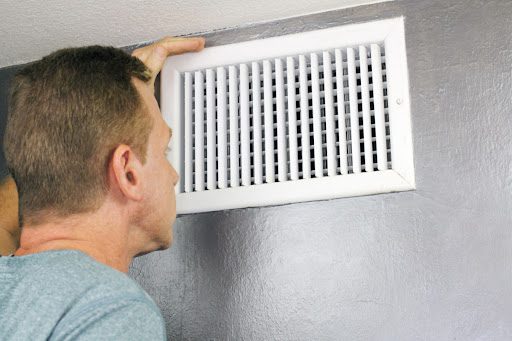
The process begins with a detailed inspection. Technicians may use cameras or mirrors to check inside the ductwork for dust, debris, and signs of damage. This initial assessment helps determine the level of cleaning required and identifies any issues that need attention. For a deeper look at inspection technologies, review the duct camera inspection best practices for insights into modern diagnostic tools.
Setting Up Equipment and Protecting Your Home
After the assessment, technicians prepare the workspace. Drop cloths or plastic sheeting may be used to protect floors and furnishings. Access panels are opened, and specialized equipment—such as high-powered vacuums and agitation devices—is set up. Negative air machines are often attached to the duct system to create strong suction, preventing dust from escaping into living spaces.
Step-by-Step Air Duct Cleaning Procedure
Here’s a breakdown of the typical sequence followed by professionals:
- Loosening Debris: Brushes, air whips, or compressed air tools are inserted into the ducts to dislodge dust and debris from the walls. This step ensures that contaminants are separated from duct surfaces for easier removal.
- Vacuum Extraction: Industrial vacuums, often equipped with HEPA filters, are used to extract loosened particles. The negative pressure system ensures that all debris is pulled directly into the vacuum rather than released into your home.
- Cleaning Registers and Grilles: Vents, registers, and grilles are removed and cleaned separately. This prevents recontamination and ensures optimal airflow.
- Treating Mold or Odors (if needed): If technicians find mold or persistent odors, they may apply EPA-approved sanitizers or sealants. These products are used only when necessary and should be discussed with the homeowner beforehand.
- Final Inspection: After cleaning, a final inspection is performed to confirm that all debris has been removed and the system is functioning properly.
Post-Cleaning Steps and Recommendations
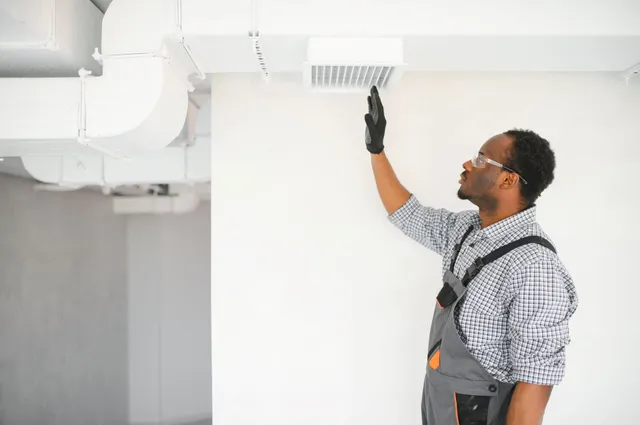
Once the work is complete, technicians reseal access panels and reinstall registers. They may provide a summary of findings and suggest maintenance tips. It’s a good idea to ask for before-and-after photos or video footage if available, especially if you want visual confirmation of the cleaning results. For more information on how visual inspections can benefit both contractors and homeowners, see the duct camera inspection benefits for HVAC contractors.
How Often Should Ducts Be Cleaned?
Most experts recommend cleaning air ducts every three to five years, though frequency depends on factors like pets, allergies, recent renovations, or local air quality. If you notice visible dust around vents, unexplained respiratory symptoms, or musty odors, it may be time to schedule a cleaning sooner.
Choosing a Qualified Duct Cleaning Provider
Not all services are created equal. Look for companies with certified technicians, transparent pricing, and positive reviews. Ask about their cleaning methods, equipment, and whether they follow standards set by organizations like the National Air Duct Cleaners Association (NADCA). For additional tips, the guide to choosing a duct camera inspection service offers useful criteria that also apply to duct cleaning providers.
Best Practices and Additional Tips
To get the most from your cleaning:
- Replace HVAC filters regularly to maintain clean airflow.
- Consider installing a HEPA air scrubber for ongoing filtration.
- Request documentation of the cleaning, including photos or a checklist.
- Review the best way to clean air ducts for more expert advice on maintaining your system.
Frequently Asked Questions
What are the signs that air ducts need cleaning?
Common indicators include visible dust around vents, increased allergy symptoms, musty odors, or evidence of mold and pests. If your HVAC system seems less efficient or you notice a spike in energy bills, dirty ducts could be a contributing factor.
Can I clean air ducts myself?
While you can vacuum vent covers and accessible parts of the system, a full cleaning requires specialized equipment and expertise. Professional services ensure thorough removal of debris and contaminants from the entire duct network.
Is duct cleaning safe for all HVAC systems?
Yes, when performed by trained technicians using proper tools, duct cleaning is safe for most systems. Always confirm that the provider uses methods compatible with your specific HVAC setup and follows industry standards.