Properly functioning ductwork is essential for maintaining indoor air quality, energy efficiency, and the overall performance of your HVAC system. Over time, the insulation inside air ducts can deteriorate, leading to a range of problems that often go unnoticed until they start affecting comfort or utility bills. Recognizing the signs of internal duct insulation breakdown early can help prevent costly repairs, improve air quality, and extend the life of your heating and cooling equipment.
This article explores the most common indicators of failing duct insulation, why these issues matter, and what steps you can take to address them. If you’re interested in broader HVAC maintenance, you may also want to learn how to clean a multi zone HVAC system for optimal performance.
Understanding Duct Insulation and Its Role
Duct insulation is designed to minimize heat loss or gain as air travels through your HVAC system. It also helps reduce condensation and prevents the growth of mold and mildew inside the ductwork. When insulation inside the ducts begins to fail, it can compromise the efficiency of your entire system and introduce contaminants into your living space.
There are several types of duct insulation, including fiberglass, foam, and reflective barriers. Each type has its own lifespan and vulnerability to damage, but all can show similar warning signs when they start to break down.
Common Indicators of Deteriorating Duct Insulation
Spotting the signs of internal duct insulation breakdown early can make a significant difference in preventing further damage. Here are the most frequent symptoms homeowners and facility managers should watch for:
1. Visible Debris or Fibers at Vents
If you notice small pieces of insulation, dust, or fibers being blown out of your vents, this is a strong indicator that the internal lining of your ducts is deteriorating. These particles can accumulate on furniture and floors, and may also be inhaled, potentially causing respiratory irritation.
2. Unusual Odors When the HVAC Runs
Damaged insulation can absorb moisture, leading to musty or moldy smells whenever the system operates. Persistent odors, especially those that worsen with HVAC use, often point to internal duct issues that need attention.
3. Increased Dust and Allergens Indoors
As insulation breaks down, it loses its ability to trap dust and other particles. This can result in noticeably higher dust levels throughout your home or building, as well as an increase in allergy symptoms among occupants.
4. Uneven Heating or Cooling
When insulation inside ducts fails, conditioned air may lose or gain heat as it travels, resulting in uneven temperatures from room to room. If you find that some areas are consistently warmer or cooler than others, deteriorating duct insulation could be a contributing factor.
5. Higher Energy Bills
Compromised duct insulation forces your HVAC system to work harder to maintain the desired temperature. This inefficiency often leads to a noticeable increase in energy consumption and utility costs over time.
6. Condensation or Moisture Around Ducts
Insulation breakdown can allow warm, humid air to come into contact with cooler duct surfaces, resulting in condensation. Visible moisture or even water stains near ducts is a sign that the insulation is no longer providing an effective barrier.
What Causes Insulation to Deteriorate?
Several factors contribute to the breakdown of duct insulation:
- Age: Most duct insulation has a lifespan of 10–20 years, after which it becomes brittle and less effective.
- Moisture Intrusion: Leaks or high humidity can saturate insulation, leading to mold growth and structural damage.
- Pest Infestation: Rodents and insects may nest in or chew through insulation, causing physical destruction.
- Poor Installation: Improperly installed insulation is more likely to shift, compress, or break apart over time.
- Mechanical Damage: Renovations, cleaning, or accidental impacts can tear or compress insulation inside ducts.
Health and Efficiency Impacts of Failing Duct Insulation
Ignoring the symptoms of duct insulation damage can have both health and financial consequences. As insulation degrades, it can release fibers, dust, and even mold spores into the air you breathe. This can aggravate allergies, asthma, and other respiratory conditions. Additionally, energy loss through uninsulated or poorly insulated ducts can significantly increase heating and cooling costs.
For those dealing with persistent dust or debris, learning how to remove charcoal dust from vents can be helpful, especially after leaks or insulation failures.
How to Inspect for Internal Duct Insulation Problems
While some signs of internal duct insulation breakdown are visible, others require a closer look. Here’s how to assess your ductwork:
- Check supply and return vents for visible debris, fibers, or dust accumulation.
- Listen for unusual noises, such as rattling or whistling, which may indicate loose or damaged insulation.
- Use a flashlight to inspect accessible duct sections for signs of moisture, mold, or insulation fragments.
- Monitor indoor air quality and note any increases in allergy symptoms or respiratory discomfort.
- Review your energy bills for unexplained increases, which can signal reduced HVAC efficiency.
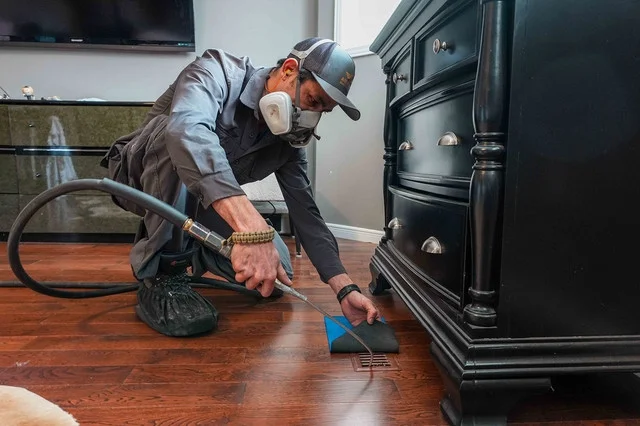
For a thorough inspection, consider hiring a professional who can use cameras or other tools to examine hard-to-reach duct interiors.
What to Do If You Suspect Insulation Damage
If you observe any of the warning signs, it’s important to act promptly:
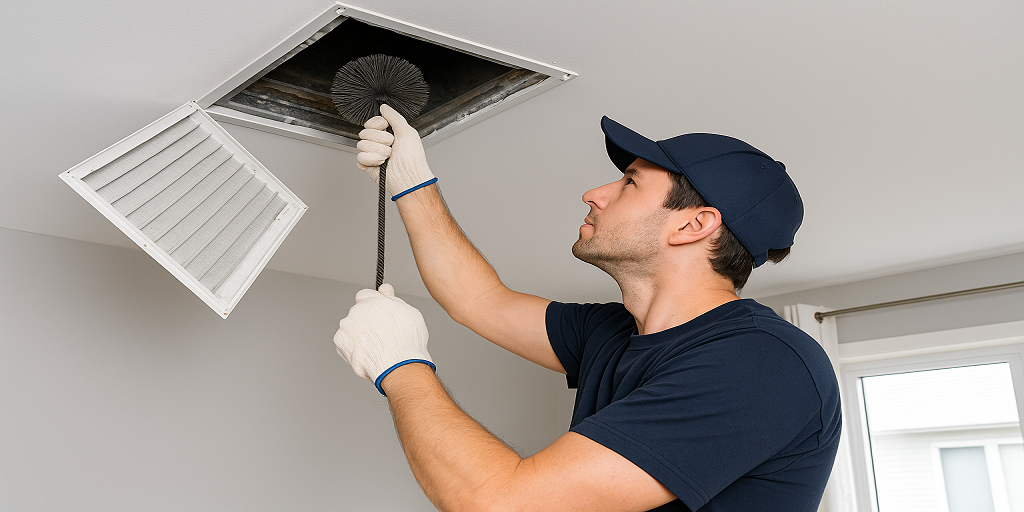
- Schedule a Professional Inspection: Certified HVAC technicians can confirm the extent of the damage and recommend solutions.
- Consider Duct Cleaning: Removing debris and contaminants can improve air quality and reveal hidden insulation issues. For more on this, see the air duct cleaning process explained by industry professionals.
- Repair or Replace Insulation: Depending on the severity, technicians may patch, replace, or upgrade the insulation to restore efficiency and safety.
- Seal Leaks: Address any gaps or holes in the ductwork to prevent future moisture intrusion and energy loss.
- Upgrade Air Filtration: Using a HEPA air scrubber can help capture fine particles and allergens released by deteriorating insulation.
Preventing Future Duct Insulation Issues
Regular maintenance is key to avoiding future problems. Here are some preventative steps:
- Schedule annual HVAC inspections to catch early signs of wear or damage.
- Keep humidity levels in check to prevent moisture buildup inside ducts.
- Address pest issues promptly to avoid insulation contamination.
- Ensure any ductwork modifications or repairs are performed by qualified professionals.
- Replace aging insulation before it fails completely, especially in older homes or buildings.
For those with specialized systems, knowing how to clean a condo air exchange system can also help maintain duct integrity and indoor air quality.
Frequently Asked Questions
How often should duct insulation be inspected?
It’s recommended to have your duct insulation checked by a professional every 2–3 years, or sooner if you notice any of the warning signs described above. Regular inspections can catch minor issues before they become major problems.
Can I repair duct insulation myself?
Minor surface repairs, such as sealing small gaps, can sometimes be handled by homeowners. However, internal duct insulation repairs or replacements should be performed by trained HVAC technicians to ensure safety and effectiveness.
What are the risks of ignoring duct insulation problems?
Neglecting insulation breakdown can lead to poor air quality, increased energy bills, uneven heating or cooling, and even mold growth. Over time, these issues can affect both your health and the lifespan of your HVAC system.
Conclusion
Recognizing the signs of internal duct insulation breakdown is crucial for maintaining a healthy, comfortable, and energy-efficient indoor environment. By staying alert to visible debris, unusual odors, uneven temperatures, and rising energy costs, you can address insulation issues before they escalate. Regular maintenance, prompt repairs, and professional inspections are the best ways to protect your ductwork and ensure optimal HVAC performance for years to come.