Rotary brushes are essential tools for cleaning, surface preparation, and material handling in a wide range of industries. Selecting the correct bristle type is crucial for achieving optimal results, whether you’re maintaining HVAC ducts, cleaning dryer vents, or preparing surfaces for finishing. The variety of rotary brush bristle types available can be overwhelming, but understanding their differences helps ensure you choose the most effective option for your specific application.
This guide breaks down the main bristle materials, their properties, and the best use cases for each. You’ll also find practical advice on matching bristle stiffness and brush design to your cleaning or production needs. For more in-depth solutions tailored to industrial settings, you can explore rotary brush solutions for production environments to see how different brush systems are applied in large-scale operations.

Understanding Rotary Brush Bristle Materials
The performance and durability of a rotary brush depend heavily on the material used for its bristles. The most common options include synthetic fibers, natural fibers, and various metals. Each material has unique properties that make it suitable for specific cleaning or finishing tasks.
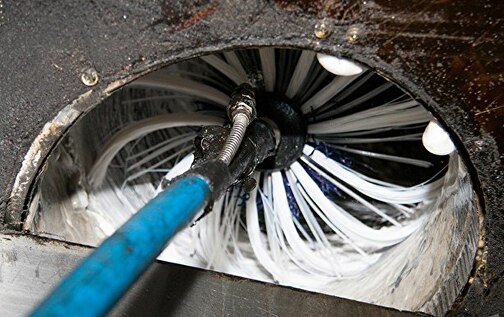
- Synthetic Bristles: Nylon and polypropylene are popular choices for their flexibility, chemical resistance, and long lifespan. They are ideal for general cleaning, dust removal, and applications where moisture or solvents are present.
- Natural Bristles: Materials like horsehair or tampico offer a softer touch, making them suitable for delicate surfaces or fine dusting. They are less common in industrial settings but valuable for specialty cleaning.
- Metal Bristles: Steel, stainless steel, and brass are used for heavy-duty scrubbing, rust removal, and aggressive surface preparation. These bristles are highly abrasive and best reserved for hard surfaces or tough debris.
Comparing Bristle Stiffness and Flexibility
Beyond material, the stiffness and flexibility of the bristles play a significant role in determining the brush’s effectiveness. Stiff bristles provide more scrubbing power, while softer bristles are gentler and less likely to damage sensitive surfaces. When evaluating rotary brush bristle types, consider the following:
- Soft Bristles: Best for light dusting, cleaning delicate surfaces, or removing fine particles. Common in brushes used for electronics, automotive interiors, or fragile HVAC components.
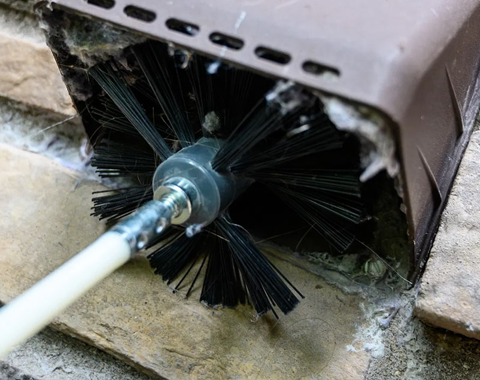
- Medium Bristles: Offer a balance between cleaning power and surface protection. Suitable for general-purpose cleaning, including dryer vents and ductwork.
- Stiff Bristles: Designed for heavy-duty jobs like removing caked-on debris, rust, or paint. Often found in industrial brushes for metalworking or masonry cleaning.
Choosing the Right Brush for Your Application
To select the most appropriate bristle type, start by evaluating the surface you need to clean and the type of debris or buildup you are dealing with. Here are some common scenarios and the best brush options for each:
| Application | Recommended Bristle Material | Stiffness |
|---|---|---|
| Dryer Vent Cleaning | Synthetic (Nylon/Polypropylene) | Medium |
| HVAC Duct Cleaning | Synthetic or Natural | Soft to Medium |
| Rust Removal | Steel or Stainless Steel | Stiff |
| Surface Polishing | Natural (Horsehair/Tampico) | Soft |
| Paint Stripping | Brass or Steel | Stiff |
Matching the brush to your cleaning task not only improves efficiency but also extends the life of both the brush and the surface being cleaned. For more on maintaining cleaning quality, see the rotary brush cleaning quality standards guide.
Brush Design and Construction Considerations
Besides bristle material and stiffness, the overall design of the rotary brush affects its performance. Key factors include:
- Brush Diameter: Larger diameters cover more area but may be harder to maneuver in tight spaces. Choose a size that fits your equipment and the area to be cleaned.
- Bristle Density: Dense bristles offer more contact with the surface, improving cleaning power but potentially increasing resistance. Sparse bristles are more flexible and less likely to clog.
- Core Material: The core holds the bristles in place and is typically made from plastic, wood, or metal. Durable cores are essential for high-speed or heavy-duty applications.
For advanced applications, such as in manufacturing or food processing, specialized brush designs may be required. To learn about the latest innovations, check out rotary brush system future trends.
Maintenance and Replacement Tips
Proper care of your rotary brushes ensures consistent performance and extends their usable life. Here are some best practices:
- Inspect bristles regularly for wear, bending, or breakage. Replace brushes that have lost their shape or cleaning effectiveness.
- Clean brushes after each use to remove debris and prevent buildup. For synthetic and metal bristles, rinsing with water or a mild solvent is usually sufficient.
- Store brushes in a dry, cool place to prevent bristle deformation or corrosion, especially for metal types.
- Follow the manufacturer’s recommendations for speed and pressure to avoid premature wear.
If you encounter issues such as bristle shedding or uneven cleaning, refer to rotary brush troubleshooting common issues for practical solutions.
Safety Considerations When Using Rotary Brushes
Using the correct bristle type is not just about cleaning efficiency—it also impacts safety. Stiff metal bristles can cause injury or damage if used improperly, while softer bristles may not remove hazardous buildup effectively. Always:
- Wear appropriate personal protective equipment (PPE), including gloves and eye protection.
- Ensure the brush is securely attached to the rotary tool before operation.
- Operate at recommended speeds to prevent bristle breakage or brush failure.
- Keep bystanders clear of the work area, especially when using abrasive brushes.
For more tips on safe operation, see the rotary brush workplace safety standards & tips.
Industry Applications and Best Practices
Rotary brushes are used in a variety of sectors, from residential dryer vent cleaning to heavy industrial manufacturing. In each case, the choice of bristle type impacts both efficiency and results. For example, in rotary dryer cleaning in the fertilizer industry, selecting the right brush ensures thorough removal of buildup without damaging the equipment.
Best practices include:
- Matching bristle type to the specific material and debris encountered.
- Adhering to scheduled maintenance to prevent excessive buildup.
- Training staff on proper brush selection and safe handling.
FAQ
What is the difference between nylon and polypropylene bristles?
Nylon bristles are generally more flexible and resistant to abrasion, making them suitable for a wide range of cleaning tasks. Polypropylene is slightly stiffer and more resistant to acids and solvents, which is beneficial in environments where chemical exposure is common.
How often should rotary brushes be replaced?
Replacement frequency depends on usage, material, and application. Inspect brushes regularly and replace them when bristles become worn, bent, or lose their cleaning effectiveness. For heavy-duty or industrial use, more frequent replacement may be necessary.
Can metal bristle brushes be used on all surfaces?
Metal bristle brushes are best reserved for hard, durable surfaces such as metal, stone, or concrete. Using them on softer materials can cause scratching or damage. Always select the bristle type that matches the hardness of the surface being cleaned.