Indoor air quality is a crucial factor in maintaining a healthy environment for children. Many parents focus on visible cleanliness, but often overlook the hidden dangers lurking in their home’s ventilation system. The impact of dirty vents on kids can be significant, affecting everything from allergy symptoms to long-term respiratory health. Understanding the risks and taking proactive steps to address them is essential for families who want to create a safe space for their children.
Dirty air ducts and vents can harbor dust, mold, pollen, pet dander, and even bacteria. When these contaminants circulate through the air, children—who breathe faster and have developing immune systems—are especially vulnerable. This article explores the health implications of neglected vents, signs that your home’s air system may be contributing to your child’s symptoms, and practical solutions to improve indoor air quality.
For those interested in maintaining their ventilation systems, learning how to clean an HRV filter is a practical first step. Keeping filters clean can dramatically reduce airborne irritants and help protect your family from unnecessary exposure.
Why Children Are Especially at Risk from Polluted Vents
Children are not just small adults—their bodies are still developing, making them more susceptible to airborne contaminants. The impact of dirty vents on kids is amplified because:
- Higher respiration rates: Kids breathe more air per pound of body weight than adults, increasing their exposure to pollutants.
- Developing immune systems: Young immune systems are less equipped to handle allergens, bacteria, and mold spores.
- More time indoors: Children, especially infants and toddlers, spend a significant amount of time inside, often playing on floors where dust settles.
When vents are clogged with dust, mold, or other debris, every cycle of your HVAC system can send a fresh wave of irritants into the air your children breathe.
Common Health Issues Linked to Poor Ventilation
Dirty air ducts can contribute to a range of health problems in children. Some of the most common include:
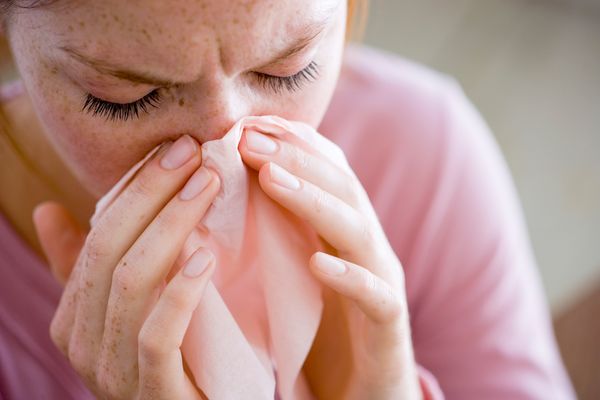
- Allergy symptoms: Sneezing, runny nose, itchy eyes, and skin rashes can all be triggered by dust mites, pollen, and pet dander circulating through vents.
- Asthma attacks: Mold spores and dust are known asthma triggers. Children with asthma may experience more frequent or severe attacks in homes with unclean ducts.
- Respiratory infections: Bacteria and viruses can thrive in damp, dirty vents, leading to increased colds, bronchitis, or even pneumonia.
- Worsening of existing conditions: For children with chronic respiratory issues or immune deficiencies, exposure to airborne contaminants can make symptoms worse or recovery slower.
Studies have shown that improving indoor air quality can reduce the frequency and severity of these symptoms, leading to better overall health for children.
How to Recognize When Your Vents Need Attention
It’s not always obvious when your home’s ventilation system is contributing to poor air quality. Here are some signs that your vents may need cleaning or maintenance:
- Visible dust or debris: If you notice dust blowing out of vents or accumulating around registers, it’s time to investigate.
- Unusual odors: Musty or stale smells can indicate mold growth or trapped contaminants in your ductwork.
- Increased allergy or asthma symptoms: If your child’s symptoms worsen indoors or after the HVAC system runs, dirty vents may be to blame.
- Mold growth: Any visible mold near vents or inside ductwork is a serious concern and should be addressed immediately.
Regular inspection and cleaning can help prevent these issues before they affect your family’s health.
Solutions for Cleaner Indoor Air and Healthier Kids
Addressing the impact of dirty vents on kids involves both immediate and long-term strategies. Here are some effective steps:
- Schedule professional duct cleaning: Experts can remove built-up dust, mold, and debris from your entire ventilation system.
- Change filters regularly: Use high-quality filters such as HEPA or electrostatic options, and replace or clean them according to manufacturer recommendations.
- Control humidity: Keeping indoor humidity below 50% helps prevent mold growth in vents and ducts.
- Use air purifiers: HEPA air purifiers can capture airborne particles, reducing the load on your HVAC system and improving air quality in bedrooms and play areas.
- Address water leaks promptly: Moisture in or near ductwork can lead to mold, so fix leaks and dry affected areas quickly.
- Apply anti-mold sprays: Specialized products can help prevent mold growth inside HVAC components.
For more detailed cleaning methods, you might find it helpful to read about how to clean a multi zone HVAC system or how to remove charcoal dust from vents if your home has experienced specific contamination events.

Best Practices for Preventing Airborne Contaminants
Prevention is always better than cure when it comes to indoor air quality. Here are some ongoing habits to reduce the risk of dirty vents affecting your children:
- Vacuum and dust regularly: Use a vacuum with a HEPA filter to reduce dust and allergens in your home.
- Keep pets groomed: Regularly bathe and brush pets to minimize dander buildup.
- Monitor for moisture: Check for condensation or leaks near vents and address them quickly.
- Educate your family: Teach children not to block vents with toys or furniture, which can restrict airflow and contribute to dust accumulation.
- Consider professional inspections: Annual HVAC inspections can catch issues before they become health hazards.
For those with wood stoves or alternative heating, learning how to clean a wood stove vent is also important for maintaining safe air quality.
Understanding Indoor Air Quality Standards
Maintaining healthy indoor air is not just a matter of comfort—it’s a matter of safety. The Occupational Safety and Health Administration’s indoor air quality guidelines provide valuable information on acceptable levels of airborne contaminants and best practices for keeping your home safe. While these standards are often applied in workplaces, they offer useful benchmarks for residential environments as well.
By following recommended cleaning schedules, using the right filters, and staying vigilant for signs of contamination, you can minimize the impact of dirty vents on kids and foster a healthier home.
FAQ: Protecting Children from Vent-Related Health Issues
How often should I have my home’s vents cleaned if I have children?
For families with kids, it’s recommended to have your air ducts inspected and cleaned every 2–3 years, or more frequently if you notice dust buildup, mold, or increased allergy symptoms. Homes with pets or recent renovations may require more frequent cleaning.
What type of air filter is best for reducing allergens?
HEPA and electrostatic filters are highly effective at trapping dust, pollen, and other allergens. These filters can significantly reduce airborne irritants and are especially beneficial for children with allergies or asthma.
Can dirty vents cause long-term health problems for kids?
Prolonged exposure to airborne contaminants from dirty vents can increase the risk of chronic respiratory issues, worsen asthma, and contribute to ongoing allergy symptoms. Addressing vent cleanliness is an important step in protecting your child’s long-term health.
Are there DIY methods for improving air quality?
Yes. Regularly changing filters, vacuuming with a HEPA-equipped vacuum, using air purifiers, and keeping humidity in check are all effective DIY strategies. For deeper cleaning, consider learning how to use a shop vac for vent suction as a supplemental maintenance step.