Maintaining clean air ducts and vents is crucial for healthy indoor air quality and efficient HVAC performance. Over time, dust and debris can accumulate inside ductwork, forming thick layers that restrict airflow and contribute to respiratory problems. Knowing how to identify thick dust layers in vents helps homeowners and facility managers address potential issues before they escalate into costly repairs or health hazards.
This guide outlines practical steps for recognizing heavy dust buildup, signs that indicate your ductwork may need cleaning, and how to distinguish between normal dust and problematic accumulation. You’ll also find tips for visual inspection, when to consider professional cleaning, and links to related resources, such as how to clean an HRV filter, to help you maintain a healthier home environment.
Why Dust Accumulates in Ducts and Vents
Dust is a natural byproduct of daily living, consisting of particles from skin cells, fabrics, pet dander, pollen, and more. When your HVAC system operates, it draws air—and dust—through return vents and distributes it throughout your home. Over time, this dust can settle and build up inside the ductwork, especially if filters are not changed regularly or if the system is not maintained. In some cases, construction debris or renovation dust can also contribute to thicker layers.
While a light coating of dust is normal, thick buildup can signal underlying issues such as poor filtration, leaky ducts, or infrequent cleaning. Recognizing these signs early can help prevent reduced system efficiency and indoor air quality problems.
Visual Clues: Spotting Heavy Dust Buildup
One of the most straightforward ways to check for excessive dust is through a visual inspection. Here’s how you can look for signs of significant accumulation:
- Remove vent covers using a screwdriver. Shine a flashlight into the duct opening.
- Look for grey, fuzzy, or matted layers along the duct walls or on the vent cover itself. Thick buildup often appears as a dense mat rather than a light dusting.
- If you see clumps or sheets of dust that move or flake off when touched, this is a sign of substantial accumulation.
- Check for visible debris such as pet hair, construction dust, or even mold growth, which can indicate neglected maintenance.
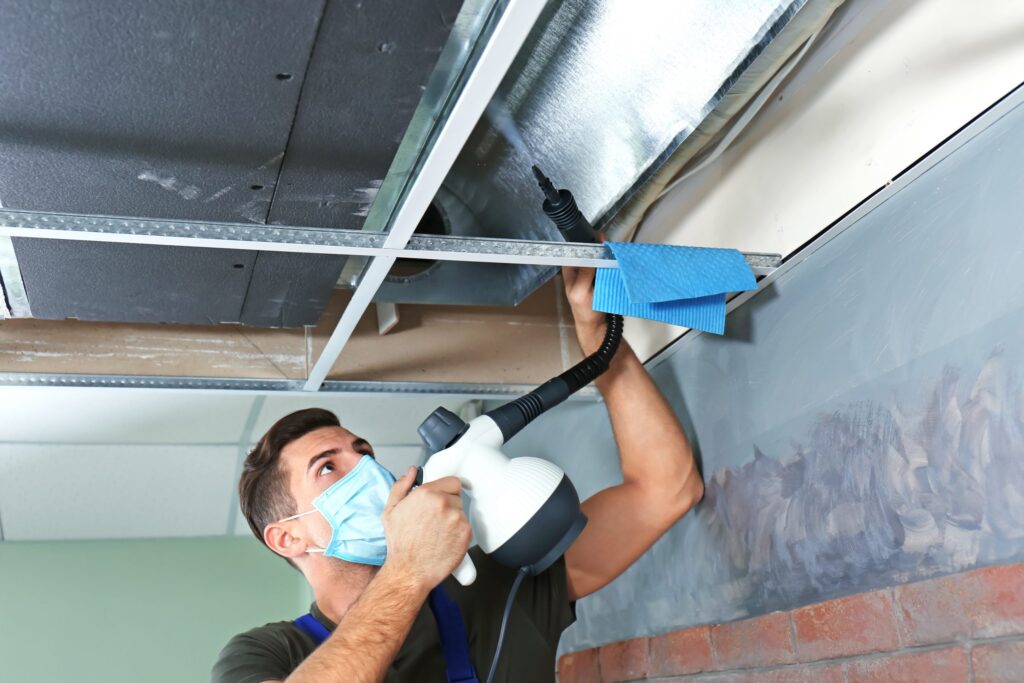
Common Signs Your Ducts May Have Thick Dust Layers
Beyond visual inspection, several symptoms can indicate your vents and ducts are harboring more than just a light layer of dust:
- Reduced airflow from vents, making rooms feel stuffy or unevenly heated/cooled.
- Persistent dust on furniture and surfaces, even after regular cleaning.
- Unexplained allergy symptoms or respiratory irritation among household members.
- Musty or stale odors when the HVAC system is running.
- Visible dust puffs coming from vents when the system turns on.
If you notice any combination of these issues, it’s a good idea to investigate further or consult a professional.
How to Safely Inspect for Dust Accumulation
To get a better sense of the condition inside your ductwork, follow these steps:
- Turn off your HVAC system for safety.
- Remove a vent cover and use a flashlight to look inside.
- Use a small mirror or your phone’s camera to check deeper into the duct.
- If you see thick, fuzzy layers or debris more than a few millimeters thick, this suggests a need for cleaning.
- Replace the vent cover securely after inspection.
If you’re unsure or uncomfortable inspecting yourself, consider hiring a certified duct cleaning professional for a thorough assessment.
When to Consider Professional Cleaning
While some dust is expected, thick layers can hinder HVAC performance and contribute to poor indoor air quality. You should consider professional cleaning if:
- You observe substantial buildup during your inspection.
- Your home has recently undergone renovations or construction.
- There are signs of mold, pests, or unusual odors in your ductwork.
- Family members experience ongoing allergy or asthma symptoms.
Professional cleaning can remove stubborn dust and debris, improving airflow and system efficiency. For those interested in DIY solutions, you can find step-by-step instructions in resources like this guide to cleaning heating and air conditioning ducts yourself.
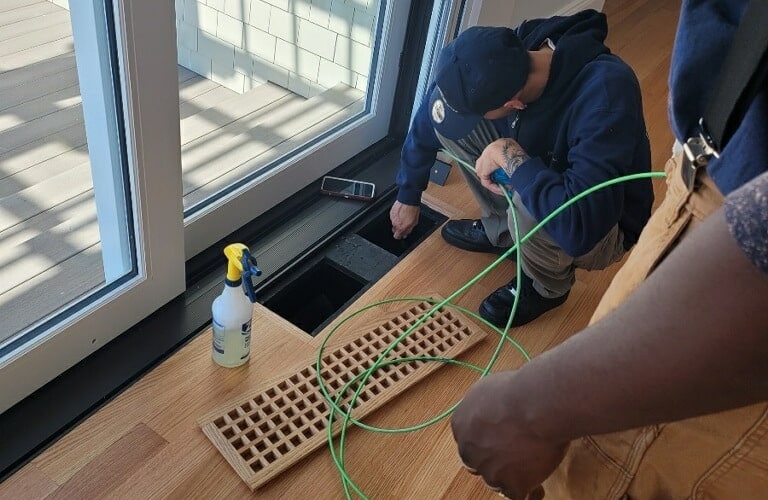
Preventing Future Dust Buildup
Once you’ve addressed existing dust layers, regular maintenance can help prevent recurrence. Here are some practical tips:
- Change HVAC filters every 1–3 months, or as recommended by the manufacturer.
- Schedule annual HVAC inspections and cleanings.
- Seal duct leaks to prevent dust infiltration from attics or crawl spaces.
- Keep return and supply vents unobstructed and clean vent covers regularly.
- Consider using high-efficiency filters or air purifiers, such as a HEPA air scrubber, to capture more airborne particles.
If you have a more complex system, such as a multi-zone setup, you may find it helpful to review detailed maintenance strategies like those in this article on cleaning a multi-zone HVAC system.
Related Issues: Dust, Allergies, and System Performance
Thick dust layers in ductwork can contribute to a range of problems, from increased allergy symptoms to higher energy bills. Dust can act as a reservoir for allergens, bacteria, and even mold spores, which are then distributed throughout your home. This is especially concerning for individuals with asthma or respiratory sensitivities.
In addition to health impacts, heavy dust buildup can force your HVAC system to work harder, reducing its efficiency and lifespan. Regular inspection and cleaning not only improve air quality but can also lower maintenance costs and extend the life of your equipment.
Frequently Asked Questions
How often should I check my vents for thick dust buildup?
It’s a good idea to visually inspect your vents and accessible ductwork at least twice a year—once before the heating season and once before cooling season. Homes with pets, smokers, or recent renovations may need more frequent checks.
Can I clean thick dust layers myself, or should I hire a professional?
Light dust can often be removed with a vacuum and brush attachment. However, if you discover thick, stubborn layers or signs of mold, pests, or debris deep within the ducts, it’s safer and more effective to hire a certified duct cleaning professional.
What are the health risks of ignoring heavy dust in vents?
Ignoring significant dust buildup can worsen indoor air quality, aggravate allergies and asthma, and increase the risk of respiratory infections. It can also promote mold growth and attract pests, leading to further health and maintenance concerns.
Conclusion
Recognizing and addressing thick dust layers in your vents and ducts is essential for maintaining a healthy, comfortable, and efficient home. Regular inspections, prompt cleaning, and preventive maintenance can help you avoid air quality issues and extend the life of your HVAC system. For more guidance on related topics, explore resources on removing charcoal dust from vents or cleaning a wood stove vent to keep your indoor environment as clean as possible.