Maintaining your home’s air quality is essential for comfort and health. While many people regularly dust surfaces and vacuum floors, the less visible parts of your HVAC system—such as concealed air ducts and vents—are often overlooked. Over time, these hidden channels can accumulate dust, allergens, and even mold, reducing the efficiency of your system and potentially affecting indoor air quality.
Learning how to clean hidden air channels can help you breathe easier, save on energy costs, and prolong the life of your HVAC system. This article offers a step-by-step approach, practical tips, and expert advice for tackling those hard-to-reach spaces. If you’re interested in related maintenance, you might also find our guide on how to clean an HRV filter helpful for keeping your ventilation system in top shape.
Why Regular Cleaning of Concealed Ducts Matters
Hidden air channels and vents are responsible for circulating air throughout your home. When these passages are clogged with dust, pet dander, or debris, your HVAC system must work harder, leading to higher energy bills and increased wear and tear. More importantly, contaminants trapped in these spaces can be redistributed into your living areas, aggravating allergies and respiratory issues.
Regularly cleaning these areas ensures:
- Improved indoor air quality by reducing allergens and pollutants
- Better HVAC efficiency, which can lower utility costs
- Extended system lifespan by preventing blockages and strain
- Reduced risk of mold growth in damp or humid environments
Identifying Hidden Air Channels and Vents
Before you begin, it’s important to know where these concealed pathways are located. In most homes, hidden air channels include:
- Main supply and return ducts behind walls, ceilings, or floors
- Vents in less-trafficked rooms, closets, or basements
- Registers that may be covered by furniture or rugs
- Flexible ductwork in attics or crawlspaces
Locating all vents and access points is the first step toward a thorough cleaning. If you’re unsure about your system’s layout, consult your HVAC manual or contact a professional for guidance.
Essential Tools and Supplies for Cleaning
Gathering the right tools will make the process more effective and safer. Here’s what you’ll need:
- Vacuum cleaner with a long hose and brush attachment
- Microfiber cloths or disposable cleaning wipes
- Screwdriver (for removing vent covers)
- Stiff-bristled brush or vent cleaning brush
- Flashlight or headlamp for visibility
- Protective mask and gloves
- Optional: HEPA air scrubber for enhanced filtration
Having these supplies ready ensures you can clean efficiently and minimize the spread of dust during the process.
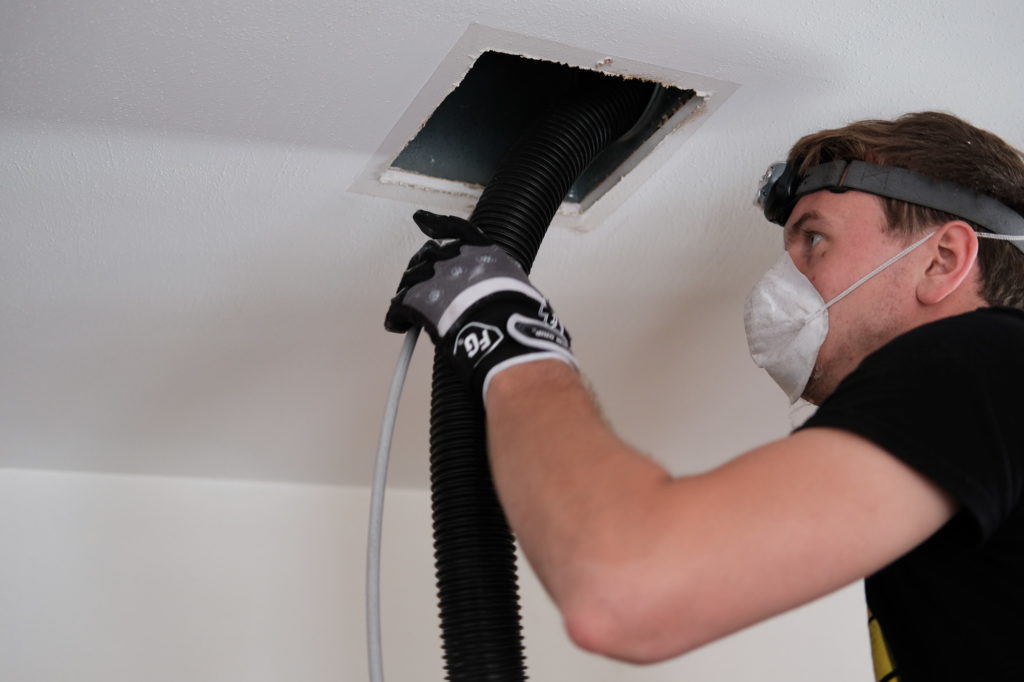
Step-by-Step Guide to Cleaning Concealed Ducts
Follow these steps to address hidden air channels and vents throughout your home:
-
Turn Off Your HVAC System
Before starting, switch off your heating or cooling system to prevent dust from circulating while you work. -
Remove Vent Covers
Use a screwdriver to carefully take off vent and register covers. Place them in a sink or tub for washing with mild soap and water. -
Vacuum Accessible Ducts
Insert the vacuum hose as far as possible into each duct. Use the brush attachment to loosen dust and debris. For deeper cleaning, consider a flexible vent brush. -
Wipe Down Surfaces
Use a damp microfiber cloth to clean inside the vent openings and the surrounding wall or floor area. -
Clean Vent Covers
After washing, dry vent covers thoroughly before reinstalling them. -
Replace Filters
Check and replace your HVAC filters regularly to maintain clean airflow.
For a more comprehensive approach, you can review this DIY air duct cleaning guide for additional techniques and safety tips.
Tips for Cleaning Hard-to-Reach Air Channels
Some ductwork may be located in tight or awkward spaces. Here are a few strategies to help you address these areas:
- Use extendable vent brushes or flexible rods to reach deep into ducts
- Employ a shop vacuum with a long hose for powerful suction (see our advice on how to use a shop vac for vent suction)
- Seal off rooms not being cleaned to prevent dust from spreading
- Wear a mask to avoid inhaling airborne particles
- Consider professional cleaning for extensive or inaccessible ductwork
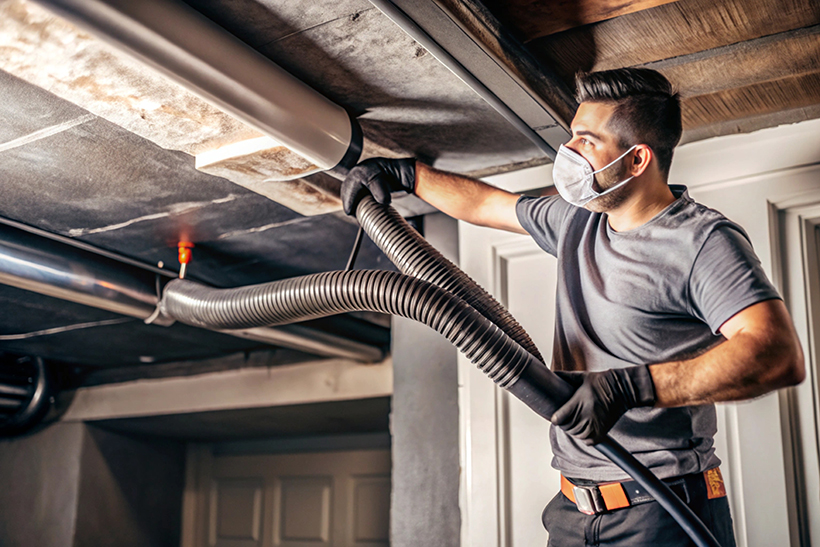
When to Call a Professional for Deep Cleaning
While many homeowners can manage routine vent and duct cleaning, certain situations require expert attention. If you notice persistent dust, visible mold, musty odors, or signs of pest infestation, it’s best to contact a certified HVAC technician. Professionals use specialized equipment to reach deep into ductwork, ensuring a thorough job that DIY methods can’t always match.
Additionally, if your home has recently undergone renovations, suffered water damage, or you have family members with severe allergies, scheduling a professional cleaning can provide peace of mind and healthier air.
Maintaining Clean Air Channels Year-Round
Keeping your air channels clean is an ongoing process. Here are some maintenance tips:
- Replace HVAC filters every 1–3 months
- Dust and vacuum around vents weekly
- Schedule annual inspections for your HVAC system
- Keep furniture and rugs away from vents to maintain airflow
- Address moisture issues promptly to prevent mold growth
For homes with wood stoves or specialized systems, you may want to review our guide on how to clean a wood stove vent for additional safety tips.
Frequently Asked Questions
How often should I clean my home’s hidden air channels?
Most experts recommend cleaning your air channels every 3–5 years, but households with pets, allergies, or recent renovations may benefit from more frequent attention. Regularly changing filters and dusting vents can help maintain cleanliness between deep cleanings.
Can I clean air ducts myself, or do I need a professional?
Many homeowners can handle basic vent and duct cleaning with the right tools and safety precautions. However, for extensive ductwork, mold issues, or persistent odors, hiring a professional is advisable for a more thorough job.
What are the signs that my air channels need cleaning?
Common indicators include visible dust buildup on vents, increased allergy symptoms, musty smells, or reduced airflow from your HVAC system. If you notice these signs, it’s time to inspect and clean your hidden air channels.
Are there risks to not cleaning hidden vents and ducts?
Neglecting these areas can lead to poor indoor air quality, higher energy bills, and potential health issues from mold or allergens. Regular cleaning helps prevent these problems and keeps your HVAC system running efficiently.
By following these steps and tips, you can ensure your home’s air remains fresh and healthy. For more in-depth advice on multi-zone systems, see our article on how to clean a multi zone HVAC system, or learn about post-leak cleanup in how to remove charcoal dust from vents.