Maintaining a clean HVAC system is essential for indoor air quality, system efficiency, and the overall appearance of your home or business. While most people focus on the inside of their ducts, the external duct surfaces often collect dust, grime, and even mold, which can affect both performance and aesthetics. Learning how to clean external duct surfaces is a straightforward but important part of HVAC upkeep.
This guide covers practical steps, recommended tools, and safety tips for cleaning the outside of your ductwork. Whether you’re a homeowner, property manager, or simply want to keep your environment tidy, these instructions will help you achieve a cleaner, more efficient HVAC system.
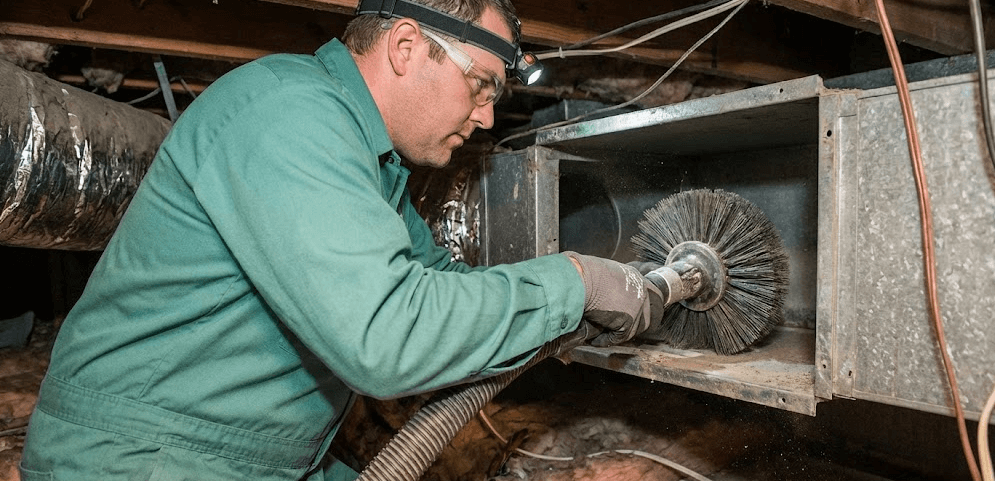
If you’re interested in more advanced maintenance, such as how to clean an HRV filter, you’ll find additional resources on our site. Keeping up with regular cleaning routines can make a significant difference in air quality and system longevity.
Why Clean the Outside of Your Ductwork?
The exterior of ductwork is often overlooked, yet it plays a crucial role in the cleanliness and efficiency of your HVAC system. Dust, pet hair, and other debris can accumulate on the outside, leading to:
- Reduced air quality if contaminants are disturbed and enter the airflow.
- Decreased system efficiency due to insulation or airflow blockages.
- Unpleasant odors from mold or mildew growth.
- Unattractive appearance in visible areas like basements or utility rooms.
Regularly cleaning the surfaces of your ducts helps prevent these issues and supports a healthier indoor environment.
Essential Tools and Supplies for Surface Cleaning
Before you begin, gather the following items for an effective and safe cleaning process:
- Soft-bristled brush or microfiber cloth
- Vacuum with hose attachment
- Mild detergent or specialized HVAC cleaner
- Bucket of warm water
- Disposable gloves and protective eyewear
- Step ladder (for hard-to-reach areas)
- HEPA air scrubber (optional, for improved dust control)
Using a HEPA air scrubber can help capture airborne particles during cleaning, especially in dusty environments.

Step-by-Step Instructions for Cleaning External Duct Surfaces
Follow these steps to ensure a thorough and safe cleaning process:
-
Turn Off the HVAC System
Before starting, switch off your heating or cooling system to prevent dust from circulating during cleaning. -
Inspect Ductwork for Damage
Check for any signs of leaks, rust, or loose insulation. Address repairs before cleaning to avoid further issues. -
Dry Dusting
Use a soft-bristled brush or vacuum with a hose attachment to remove loose dust and debris from the duct surfaces. Work from top to bottom to prevent dust from resettling. -
Wipe Down with Cleaner
Mix a mild detergent with warm water, or use a specialized HVAC surface cleaner. Dampen a microfiber cloth and gently wipe the exterior surfaces. Avoid soaking the ducts, especially if they are insulated. -
Address Stubborn Spots
For sticky residue or mildew, apply a small amount of cleaner directly to the spot and scrub gently. For mold, consider using a solution recommended by the EPA’s duct cleaning guidelines. -
Dry Thoroughly
After cleaning, use a dry cloth to remove any remaining moisture. This helps prevent rust and mold growth. -
Replace or Clean Surrounding Filters
If your system has nearby filters or vents, clean or replace them as needed to maintain optimal airflow.
Tips for Keeping Duct Exteriors Clean
Maintaining tidy ductwork is easier with consistent care. Here are some practical tips:
- Dust and vacuum around ducts regularly to prevent buildup.
- Seal gaps or leaks to reduce dust infiltration.
- Keep storage items away from exposed ductwork in basements or attics.
- Schedule professional inspections every 1–2 years.
- Consider using a HEPA air scrubber during renovations or heavy cleaning.
For more specialized cleaning, such as how to clean a multi zone HVAC system, consult professional resources or hire certified technicians.

Common Mistakes to Avoid When Cleaning Duct Exteriors
To get the best results and protect your HVAC system, avoid these frequent errors:
- Using harsh chemicals that can damage duct materials or insulation.
- Applying excessive water, which may cause rust or mold.
- Neglecting to turn off the HVAC system before cleaning.
- Ignoring signs of leaks, corrosion, or pest infestations.
- Forgetting to clean surrounding areas, which can quickly re-contaminate ducts.
If you notice persistent odors or visible mold, it may be time to consult a professional or refer to resources like how to remove charcoal dust from vents for more targeted solutions.
When to Call a Professional
While most external duct cleaning can be handled with basic tools and supplies, there are situations where professional help is recommended:
- Extensive mold or mildew growth
- Severe rust or corrosion
- Hard-to-reach or unsafe locations
- Recurring dust or odor problems
Certified HVAC technicians have the equipment and expertise to address these challenges safely and effectively. For complex systems, such as those with multiple zones or specialized vents, professional cleaning ensures thorough results.
Frequently Asked Questions
How often should I clean the outside of my ductwork?
For most homes and businesses, wiping down external duct surfaces every 3–6 months is sufficient. If you have pets, allergies, or live in a dusty area, more frequent cleaning may be beneficial.
Can I use bleach or strong chemicals to clean duct exteriors?
It’s best to avoid harsh chemicals like bleach, as they can damage duct materials and insulation. Use a mild detergent or a cleaner specifically designed for HVAC surfaces.
What should I do if I find mold on my ductwork?
If you discover mold, clean small spots with a recommended solution and ensure the area is thoroughly dried. For larger or persistent mold problems, consult a professional and refer to EPA guidance on duct cleaning.
Does cleaning the outside of ducts improve air quality?
Yes, keeping duct exteriors clean helps prevent dust and debris from entering the air supply, supporting better indoor air quality and system efficiency.
Conclusion
Regularly cleaning the exterior of your ductwork is a simple yet effective way to maintain a healthy, efficient HVAC system. By following the steps and tips outlined here, you can prevent dust buildup, reduce allergens, and keep your home or business looking its best. For more in-depth maintenance, explore related topics like how to clean a wood stove vent or how to use a shop vac for vent suction to further enhance your air quality and system performance.