Gravity furnaces are a unique and often older type of heating system found in many historic homes. Unlike modern forced-air systems, these units rely on the natural movement of warm air rising and cool air sinking to circulate heat throughout the house. Over time, dust, debris, and allergens can accumulate inside the furnace and its extensive ductwork, reducing efficiency and potentially impacting indoor air quality. Understanding how to clean a gravity furnace system is essential for maintaining a healthy and efficient home environment.
This guide provides step-by-step instructions for safely and effectively cleaning your gravity furnace and associated ducts. Whether you’re a homeowner tackling routine maintenance or considering a deeper clean, you’ll find practical advice, essential tools, and safety tips to help you get the job done right. For those interested in related HVAC maintenance, you may also want to learn how to clean an HRV filter for optimal air quality.
Understanding Gravity Furnace Systems
Before beginning any cleaning process, it’s important to understand what makes gravity furnaces different from modern systems. These units typically consist of a large central furnace, often located in the basement, with oversized ducts that allow warm air to rise naturally into living spaces. Return ducts carry cooler air back down to the furnace for reheating. Because there are no fans or blowers, dust and debris can settle more easily in the ducts and furnace chamber.
Regular cleaning of these systems is crucial for several reasons:
- Improved air quality: Removing dust, mold, and allergens helps keep your home’s air clean.
- Efficiency: Clean ducts and furnace chambers allow air to flow more freely, reducing energy costs.
- Safety: Built-up debris can become a fire hazard or cause unpleasant odors.
Essential Tools and Safety Precautions
Cleaning an old gravity furnace and its ducts requires specific tools and careful attention to safety. Here’s what you’ll need:
- Heavy-duty vacuum with hose attachments (preferably with a HEPA filter)
- Long-handled brushes or duct cleaning brushes
- Microfiber cloths and disposable wipes
- Screwdrivers and nut drivers for opening access panels
- Protective gloves, dust mask or respirator, and safety goggles
- Flashlight or headlamp for visibility
Always turn off the furnace and disconnect power before starting. If your system uses gas, ensure the gas valve is shut off. Allow all components to cool completely before handling.
Step-by-Step Guide: Cleaning a Gravity Furnace and Ducts
1. Preparing the Area
Clear the area around the furnace for easy access. Lay down drop cloths to catch dust and debris. Gather all tools and safety gear before you begin.
2. Opening the Furnace Chamber
Remove the access panels or doors from the furnace. Use your flashlight to inspect the interior for dust, soot, or debris. Carefully vacuum loose material from the chamber, paying special attention to corners and ledges. Wipe down surfaces with a damp microfiber cloth to remove remaining dust.
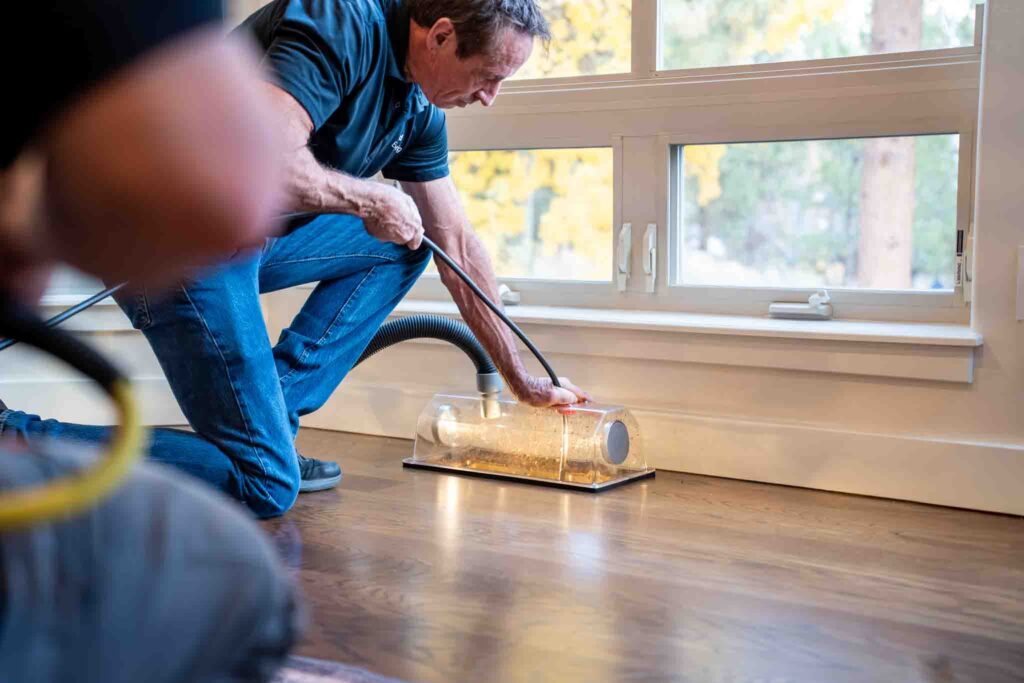
3. Cleaning the Ductwork
Locate the main supply and return ducts. These are usually large, round or rectangular metal ducts branching off from the furnace. Remove vent covers throughout the home and use a long-handled brush to dislodge dust and debris from the duct walls. Work methodically from the furthest vent back toward the furnace. Use your vacuum’s hose attachment to capture loosened material.
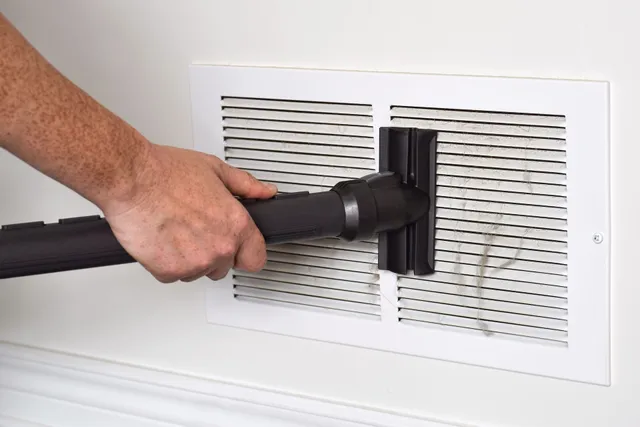
For stubborn buildup, gently scrub with a brush and wipe with a damp cloth. Avoid using water inside the ducts, as moisture can promote mold growth. If you encounter signs of mold or excessive debris, consider hiring a professional duct cleaning service.
4. Cleaning Grilles and Registers
Remove all grilles and registers from walls and floors. Wash them with warm, soapy water and allow to dry completely before reinstalling. This step helps prevent dust from re-entering the system after cleaning.
5. Inspecting for Damage or Leaks
While cleaning, inspect the ducts and furnace for any signs of rust, corrosion, or air leaks. Seal small gaps with HVAC foil tape. If you notice significant damage or suspect asbestos insulation (common in older systems), stop and consult a professional before proceeding.
Tips for Maintaining a Clean Gravity Furnace System
- Schedule cleaning at least once every 2–3 years, or more often if you have pets, allergies, or live in a dusty environment.
- Replace or clean any filters associated with your system regularly.
- Keep the area around the furnace clear of clutter and flammable materials.
- Consider using a HEPA air scrubber during and after cleaning to capture airborne particles. You can purchase a HEPA air scrubber for ongoing air quality improvement.
- For more advanced cleaning techniques, see our guide on how to use a shop vac for vent suction.
When to Call a Professional
While many homeowners can handle basic cleaning, some situations require expert help. Contact a licensed HVAC technician if you:
- Suspect mold, vermin, or excessive debris inside the ducts
- Notice persistent odors or poor airflow after cleaning
- Have an older system with asbestos insulation or visible damage
- Are uncomfortable working with gas or electrical components
The EPA’s guide to air duct cleaning offers more information on when professional cleaning is recommended and what to expect from a reputable service.
Additional Resources for Duct and Vent Maintenance
Maintaining your home’s air quality goes beyond just furnace and duct cleaning. For tips on handling specific issues, such as removing charcoal dust from vents or cleaning a wood stove vent, check out our related articles. Staying proactive with maintenance can help extend the life of your heating system and improve comfort year-round.
Frequently Asked Questions
How often should a gravity furnace and its ducts be cleaned?
For most homes, a thorough cleaning every 2–3 years is recommended. However, if you have pets, allergies, or notice visible dust and debris, more frequent cleaning may be necessary.
Can I use regular household vacuums for duct cleaning?
While a standard vacuum can help with surface cleaning, a heavy-duty vacuum with a HEPA filter is much more effective for capturing fine dust and allergens inside ducts. Specialized duct cleaning equipment is ideal for deep cleaning.
Is it safe to clean a gravity furnace myself?
Basic cleaning can be performed by most homeowners using proper tools and safety precautions. However, if you encounter mold, asbestos, or extensive buildup, it’s best to hire a professional to ensure safety and thorough cleaning.