When it comes to maintaining a healthy and efficient HVAC system, two diagnostic methods stand out: duct camera inspection and airflow testing. Both approaches offer valuable insights, but they serve different purposes and provide unique benefits. Understanding the differences between these techniques can help homeowners, property managers, and HVAC professionals make informed decisions about system maintenance and troubleshooting.
Before diving into the specifics, it’s helpful to know that regular duct maintenance not only improves indoor air quality but also extends the lifespan of your HVAC system. If you’re interested in related maintenance topics, you might also want to learn how to clean an HRV filter for optimal air exchange in your home.
This article explores the strengths and limitations of both visual inspections using cameras and quantitative airflow measurements. By comparing these two methods, you’ll be better equipped to choose the right approach for your specific needs.
Understanding Duct Camera Inspection
A duct camera inspection involves inserting a specialized camera into the ductwork to visually assess its condition. This process allows technicians to see inside the ducts without dismantling the system. The camera, often mounted on a flexible cable, transmits real-time video to a monitor, revealing blockages, debris, mold, or physical damage.
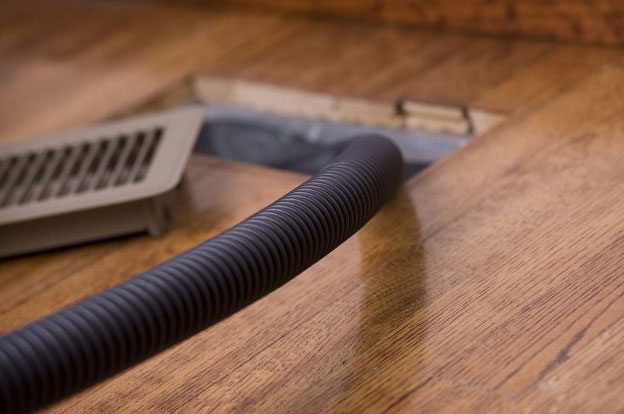
Key advantages of this method include:
- Direct visualization: Technicians can identify dust buildup, pest infestations, or structural issues.
- Targeted cleaning: Pinpointing problem areas allows for more effective cleaning and repairs.
- Documentation: Video or photo evidence can be shared with property owners for transparency.
However, duct camera inspections have some limitations. They may not detect subtle airflow restrictions or pressure imbalances that affect system performance. Additionally, cameras might not reach every section of complex ductwork, especially in older or custom installations.
For a deeper look at how these inspections work, you can review this comprehensive guide to duct camera inspections.
What Is Airflow Testing?
Airflow testing is a quantitative assessment of how air moves through the HVAC system. Using tools like anemometers, flow hoods, or manometers, technicians measure the volume and velocity of air at various points in the ductwork. This data helps identify inefficiencies, leaks, or blockages that may not be visible to the naked eye.
Benefits of airflow testing include:
- Objective measurements: Provides precise data on air movement, pressure, and system balance.
- Pinpoints hidden issues: Detects leaks, obstructions, or design flaws that reduce efficiency.
- Supports system optimization: Helps adjust dampers, fans, or registers for improved comfort and energy savings.
Despite its strengths, airflow testing does not reveal the physical state of the ducts. For example, it won’t show mold growth, rust, or debris accumulation unless these issues significantly impact airflow. Therefore, it is often used in conjunction with visual inspections for a complete assessment.
Comparing Visual Inspections and Airflow Measurements
When considering duct camera inspection vs airflow testing, it’s important to recognize that each method excels in different scenarios. Here is a side-by-side comparison to help clarify their roles:
| Aspect | Camera Inspection | Airflow Testing |
|---|---|---|
| Purpose | Visual assessment of duct interior | Quantitative measurement of air movement |
| Detects | Dirt, mold, pests, damage | Leaks, blockages, pressure drops |
| Tools Used | Flexible camera, monitor | Anemometer, flow hood, manometer |
| Limitations | May miss airflow issues | Does not show physical debris or mold |
| Best For | Identifying contamination or physical damage | Balancing system, diagnosing inefficiencies |
In practice, many HVAC professionals recommend using both methods together for a thorough evaluation. For example, a camera inspection can reveal visible contaminants, while airflow testing can confirm whether those contaminants are affecting system performance.
When to Use Each Method
Choosing between these techniques depends on your goals:
- Use a camera inspection if you suspect visible issues such as mold, pests, or physical damage. It’s also helpful after renovations, water leaks, or when indoor air quality is a concern.
- Opt for airflow testing if you notice uneven heating or cooling, high energy bills, or reduced comfort. This method is ideal for diagnosing performance problems or verifying the effectiveness of recent repairs.
- Combine both for comprehensive maintenance, especially in older buildings or complex HVAC systems.
If you are dealing with specific duct challenges, such as removing contaminants after a leak, you might find resources like how to remove charcoal dust from vents useful for targeted cleaning advice.
Benefits of Regular Duct Assessments
Routine checks using either or both methods offer several advantages:
- Improved air quality: Identifying and removing contaminants leads to healthier indoor environments.
- Energy efficiency: Detecting and fixing leaks or blockages reduces energy waste and lowers utility bills.
- System longevity: Early detection of issues prevents costly breakdowns and extends equipment life.
- Peace of mind: Knowing your ducts are clean and functioning properly adds confidence in your home’s comfort and safety.
For those with specialized systems, such as multi-zone HVACs or wood stove vents, additional guidance is available. For example, you can explore how to clean a multi zone HVAC system or learn how to clean a wood stove vent for more targeted maintenance tips.
Common Challenges and Solutions
Both inspection methods have their challenges. Camera inspections may be limited by duct layout, while airflow testing requires accurate calibration and interpretation of results. To overcome these challenges:
- Hire experienced professionals with the right equipment.
- Request documentation, such as video footage or airflow reports, for your records.
- Consider periodic assessments, especially after major HVAC repairs or renovations.
Combining visual and quantitative assessments ensures a more complete understanding of your ductwork’s health and performance.
FAQ
How often should duct inspections and airflow testing be performed?
Most experts recommend a visual inspection every 2–3 years and airflow testing whenever you notice performance issues or after major system changes. Homes with pets, allergies, or recent renovations may require more frequent checks.
Can I perform these assessments myself?
While some basic airflow measurements can be done with consumer-grade tools, professional assessments provide more accurate and actionable results. Camera inspections, in particular, require specialized equipment and expertise to interpret findings.
What are the signs that my ducts need attention?
Common indicators include uneven temperatures between rooms, increased dust, musty odors, visible mold around vents, or unexplained spikes in energy bills. If you notice any of these, consider scheduling a professional evaluation.
Conclusion
Both duct camera inspection and airflow testing play crucial roles in maintaining a safe, efficient, and comfortable indoor environment. By understanding the unique benefits of each method, you can make informed decisions about when and how to assess your HVAC system. Whether you’re addressing specific concerns or planning routine maintenance, leveraging the right diagnostic tools will help ensure your ductwork remains in top condition for years to come.