Effective duct camera inspection for HVAC maintenance is transforming how facilities and homeowners approach air system upkeep. By providing a clear, real-time view inside ductwork, this technology enables more accurate maintenance planning, early detection of issues, and improved indoor air quality. Instead of relying solely on guesswork or periodic cleaning schedules, property managers and technicians can now make informed decisions based on actual duct conditions.
Whether you manage a commercial building or want to keep your home’s air system running efficiently, understanding the role of camera inspections in HVAC maintenance can help you save on costs, extend equipment life, and ensure a healthier environment. For those interested in related topics, learning how to clean an HRV filter is another important aspect of maintaining optimal air quality and system performance.
Why Visual Inspections Matter for Air Ducts
Traditional HVAC maintenance often involves scheduled cleanings and repairs based on time intervals rather than the actual state of the ductwork. This approach can lead to unnecessary costs or, worse, missed problems that compromise system efficiency and indoor air quality. By using a duct camera inspection for HVAC maintenance, technicians can:
- Pinpoint blockages, dust buildup, or mold growth
- Identify leaks, cracks, or disconnected sections
- Assess the effectiveness of previous cleanings
- Document duct conditions for maintenance records or warranty claims
Visual evidence from camera inspections supports more targeted cleaning and repair, reducing wasted effort and ensuring that all issues are addressed promptly.
How Duct Camera Inspections Work
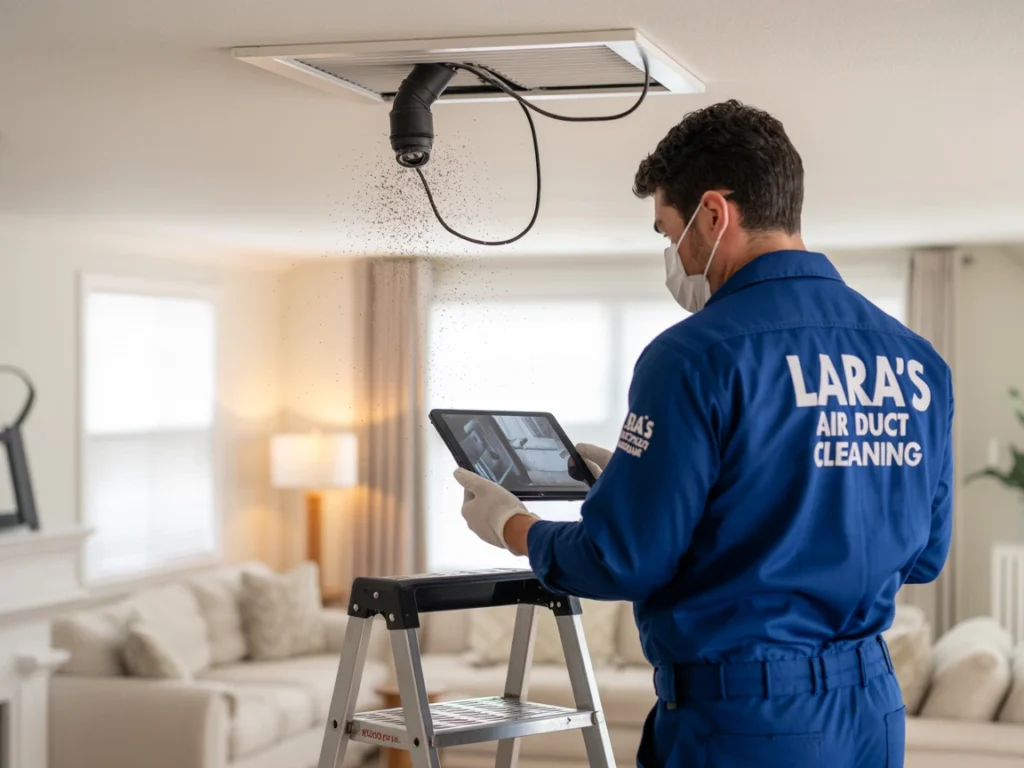
Modern duct cameras are compact, flexible devices equipped with high-resolution lenses and LED lighting. Technicians insert the camera into vents or access points, guiding it through the ductwork while viewing live footage on a monitor. Some systems allow for image or video recording, which can be reviewed later or shared with clients.
Key features of these inspections include:
- 360-degree visibility to spot hidden debris or damage
- Ability to reach deep into complex or long duct runs
- Non-invasive process—no need to dismantle large sections of ductwork
- Immediate feedback for on-the-spot decision making
This technology is especially valuable in commercial settings, where duct systems are extensive and downtime is costly. However, homeowners also benefit from the peace of mind that comes with a thorough, visual assessment of their air system.
Integrating Camera Inspections Into HVAC Maintenance Plans
Incorporating duct camera inspection for HVAC maintenance into a regular service schedule offers several advantages:
- Preventive maintenance: Early detection of dust, mold, or mechanical issues allows for timely intervention, preventing larger problems.
- Cost savings: By targeting cleaning and repairs only where needed, property owners avoid unnecessary expenses.
- Improved documentation: Visual records support warranty claims, insurance documentation, and compliance with health or safety regulations.
- Enhanced air quality: Identifying and removing contaminants contributes to healthier indoor environments.
For those managing multi-zone or specialized systems, integrating camera inspections with other best practices—such as learning how to clean a multi zone HVAC system—can further optimize performance and longevity.
Common Issues Detected During Duct Camera Inspections
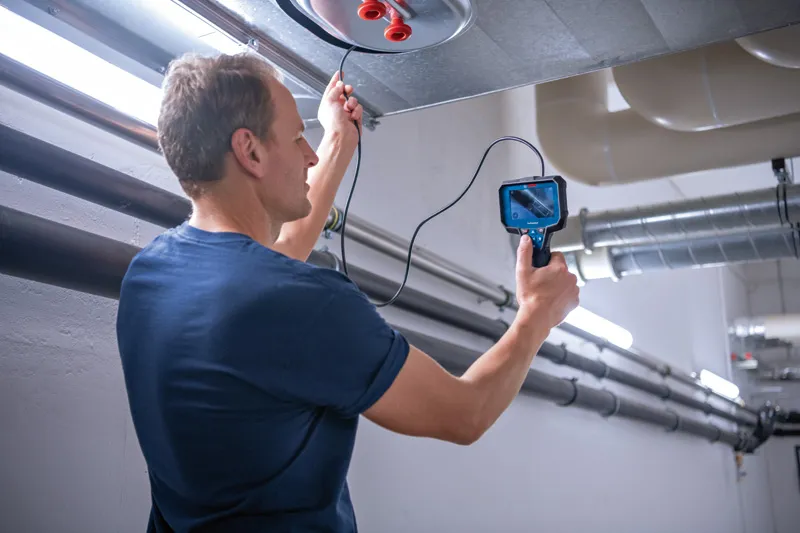
Using a camera to inspect air ducts reveals a range of issues that may otherwise go unnoticed. Some of the most common findings include:
- Accumulated dust and debris: Even with regular filter changes, dust can settle in ductwork over time, reducing airflow and efficiency.
- Mold and mildew: Moisture in ducts creates an ideal environment for microbial growth, which can affect air quality and trigger allergies.
- Physical damage: Cracks, holes, or disconnected joints can lead to air leaks, energy loss, and uneven heating or cooling.
- Obstructions: Construction debris, pest nests, or foreign objects may block airflow and strain HVAC components.
Addressing these issues promptly helps maintain system performance and extends the life of HVAC equipment.
Choosing the Right Service Provider
When selecting a company for duct camera inspections, consider the following:
- Experience with both residential and commercial HVAC systems
- Use of up-to-date camera technology and reporting tools
- Ability to provide before-and-after documentation
- Transparent pricing and clear communication
For a deeper look at how professionals conduct these inspections, you can review this comprehensive overview of camera-based duct inspection services from a leading industry provider.
Best Practices for Ongoing Duct Maintenance
While camera inspections are a powerful tool, they work best as part of a broader maintenance strategy. Here are some tips for keeping your air system in top shape:
- Schedule regular visual inspections, especially after renovations or major repairs
- Replace filters as recommended by your HVAC manufacturer
- Address any signs of moisture or leaks immediately
- Consider professional cleaning if significant buildup or contamination is detected
- Stay informed about related maintenance tasks, such as how to clean a wood stove vent or how to clean a condo air exchange system for specialized setups
By combining regular camera inspections with these best practices, you can maximize system efficiency, reduce energy costs, and maintain a healthier indoor environment.
FAQ: Duct Camera Inspections and HVAC Maintenance
How often should duct camera inspections be performed?
For most residential systems, a camera inspection every 2–3 years is sufficient, unless you notice signs of poor air quality, increased dust, or system inefficiency. Commercial properties or buildings with high occupancy may benefit from annual inspections to catch issues early.
Are duct camera inspections disruptive to daily activities?
No, the process is minimally invasive. Technicians access ducts through existing vents or service panels, and the inspection typically takes less than an hour for most homes. There’s no need to move furniture or disrupt daily routines.
Can camera inspections detect all types of duct problems?
While these inspections are excellent for spotting physical blockages, buildup, and visible damage, they may not detect issues like minor air leaks or mechanical faults in HVAC equipment itself. However, they provide valuable information that can guide further diagnostics and repairs.
Conclusion
Adopting duct camera inspection for HVAC maintenance as part of your regular service plan offers clear benefits: targeted cleaning, early problem detection, and improved air quality. By leveraging visual technology, both homeowners and facility managers can make smarter decisions, reduce costs, and ensure their HVAC systems deliver reliable performance year-round.