Collapsed or damaged ductwork can cause a range of problems in homes and commercial buildings, from reduced airflow and higher energy bills to poor indoor air quality. Traditional methods of diagnosing these issues often involve guesswork or invasive procedures. Today, duct camera inspection for collapsed ducts offers a precise, non-destructive way to identify and address these hidden problems. This article explores how camera technology is transforming ductwork diagnostics, what to expect from a professional inspection, and why early detection is essential for maintaining a healthy, efficient HVAC system.
If you’re curious about what happens during a professional cleaning or want to know more about the process, you may find this detailed guide on what happens during a professional duct cleaning helpful as a companion resource.
Understanding Collapsed Ducts and Their Impact
Ductwork is responsible for distributing heated or cooled air throughout a building. When a duct collapses, the passageway for air is restricted or blocked, leading to uneven temperatures, increased strain on HVAC equipment, and sometimes even visible dust or debris around vents. Collapsed sections can be caused by age, poor installation, physical damage, or even pest activity.
The consequences of ignoring these issues can be significant. Not only does a collapsed duct reduce system efficiency, but it can also contribute to poor air quality and higher utility costs. For more on how dust and debris in ductwork affect your environment, see this article on the impact of dusty ducts on indoor air quality.
How Duct Camera Inspection Detects Collapsed Sections
Modern duct camera inspection for collapsed ducts uses specialized cameras mounted on flexible cables. These cameras are inserted into the ductwork through access points, allowing technicians to visually inspect the entire length of the system in real time. The high-resolution video feed reveals blockages, collapsed areas, punctures, and even hidden mold or debris.
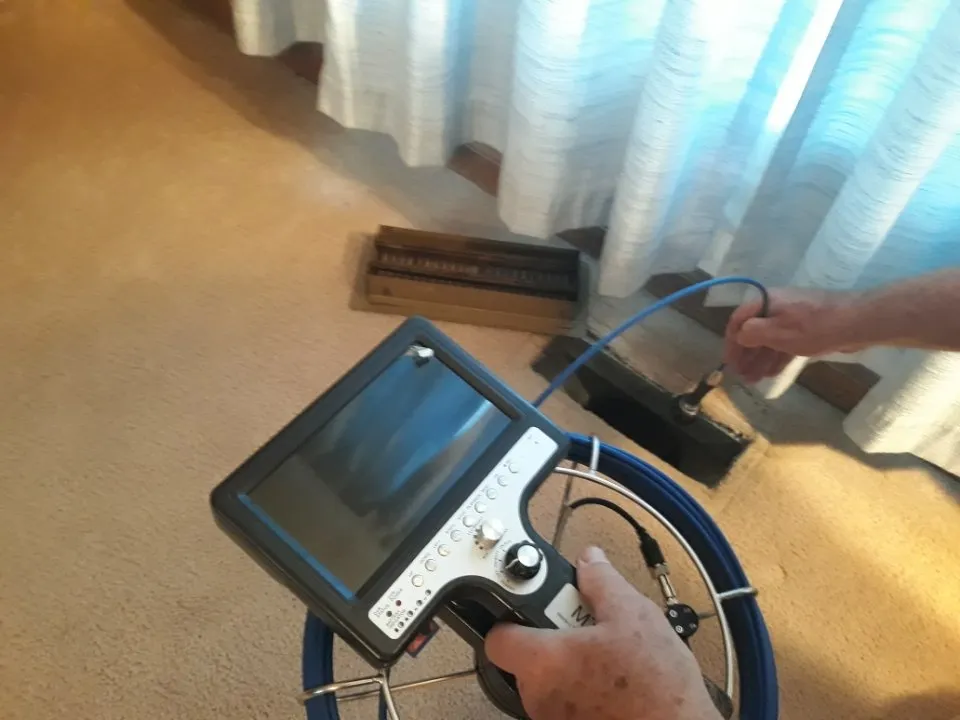
This approach eliminates the need for guesswork or unnecessary demolition. Technicians can pinpoint the exact location and extent of the collapse, making repairs more targeted and cost-effective. In addition, the inspection footage can be shared with property owners, providing visual proof of the problem and supporting insurance or warranty claims if needed.
Signs That Your Ducts May Be Collapsed
Recognizing the symptoms of collapsed ductwork early can prevent more serious problems down the line. Common indicators include:
- Noticeable decrease in airflow from vents
- Unexplained spikes in energy bills
- Rooms that are difficult to heat or cool
- Unusual noises, such as rattling or whistling, coming from the ductwork
- Visible dust buildup near vents or registers
If you notice any of these issues, scheduling a duct camera inspection is a smart first step. For those interested in maintaining their own ductwork, you can learn about the tools needed for DIY duct cleaning and basic maintenance tips.
What to Expect During a Professional Duct Camera Inspection
A typical inspection begins with a technician explaining the process and identifying suitable access points in your duct system. The camera is then inserted and slowly maneuvered through the ducts, transmitting live video to a monitor. The technician will look for:
- Collapsed or crushed sections of ductwork
- Blockages from debris, insulation, or pests
- Signs of moisture, mold, or corrosion
- Disconnected or poorly sealed joints
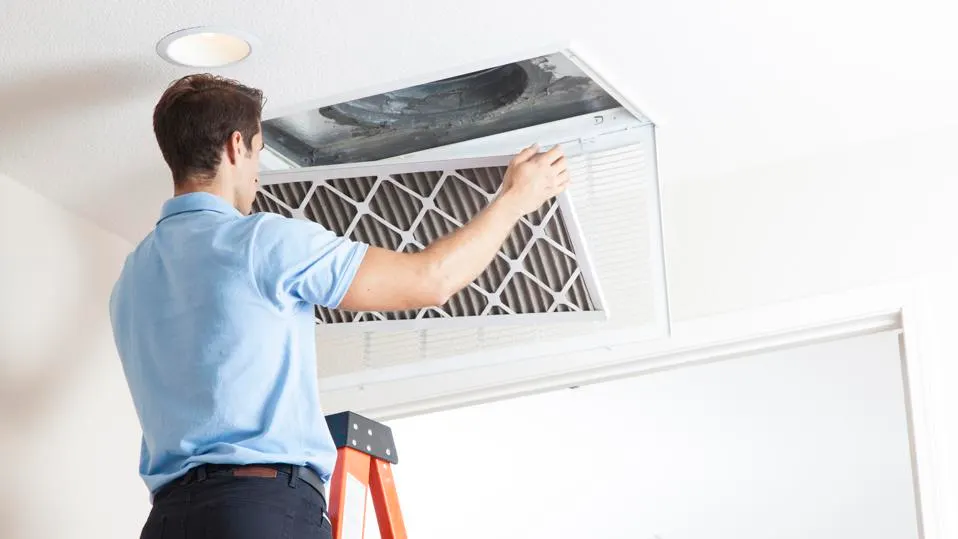
The entire process is non-invasive and typically takes less than an hour for a standard residential system. Afterward, you’ll receive a summary of findings and recommendations for repair or cleaning. For a detailed walkthrough of the inspection process, this step-by-step guide to inspecting air ducts provides further insights.
Benefits of Using Camera Technology for Duct Diagnostics
There are several advantages to using camera inspections for identifying collapsed ductwork:
- Accuracy: Visual confirmation eliminates guesswork and ensures the right repairs are made.
- Efficiency: Technicians can quickly locate and assess the problem, reducing labor time and costs.
- Non-destructive: No need to cut into walls or ceilings unnecessarily.
- Documentation: Video evidence can be used for insurance claims or to verify warranty issues.
- Peace of mind: Homeowners can see the condition of their ductwork firsthand.
Regular inspections can also help you determine how often should air ducts be cleaned to maintain optimal system performance and air quality.
Repair Options After Identifying Collapsed Ducts
Once a collapsed section is located, the next step is to determine the best repair strategy. Depending on the severity and location, options may include:
- Replacing the damaged duct section
- Reinforcing or re-routing ductwork
- Sealing joints and connections to prevent future issues
- Cleaning out debris or obstructions
In some cases, minor collapses can be repaired without full replacement, especially if caught early. For those considering a hands-on approach, you might want to review the steps to clean air ducts yourself for basic maintenance, though significant repairs should always be handled by professionals.
Preventing Future Duct Collapses
Prevention is key to avoiding costly repairs and maintaining a healthy HVAC system. Here are some practical tips:
- Schedule regular inspections, especially in older homes or after renovations
- Ensure ducts are properly supported and protected from physical damage
- Address pest infestations promptly
- Monitor your HVAC system for changes in airflow or efficiency
- Keep vents and registers clean and unobstructed
By staying proactive, you can extend the life of your ductwork and avoid the inconvenience and expense of major repairs.
Frequently Asked Questions
How often should I schedule a duct camera inspection?
For most homes, a camera inspection every 3–5 years is sufficient, unless you notice signs of airflow problems, increased dust, or have recently completed major renovations. Commercial buildings or properties with a history of duct issues may require more frequent checks.
Can I perform a duct camera inspection myself?
While consumer-grade inspection cameras are available, professional technicians have specialized equipment and experience to identify subtle issues like partial collapses or hidden leaks. DIY inspections may help spot obvious blockages, but for a thorough assessment, professional service is recommended.
What are the risks of ignoring a collapsed duct?
Failing to address collapsed ductwork can lead to poor indoor air quality, uneven heating or cooling, increased energy bills, and even damage to your HVAC system. Over time, neglected issues can escalate, resulting in more expensive repairs or system replacements.