Indoor air quality is a major concern for homeowners and businesses alike. Many people are surprised to learn that the air ducts in their HVAC systems can harbor a range of pollutants that circulate throughout the building. Understanding the common contaminants found in air ducts is essential for maintaining a healthy environment and ensuring your heating and cooling system works efficiently.
Over time, dust, allergens, and even biological growth can accumulate inside ductwork. These substances not only affect the cleanliness of your home but can also impact respiratory health, especially for those with allergies or asthma. Regular inspection and cleaning of your air ducts are crucial steps in reducing exposure to these hidden hazards.
If you’re interested in related maintenance tips, you might also find it helpful to learn how to clean an HRV filter to further improve your indoor air quality.
Why Air Duct Contamination Matters
Air ducts serve as the respiratory system of your building, distributing heated or cooled air to every room. When contaminants build up inside these passages, they can be released into the living space every time the HVAC system runs. This can lead to a range of problems, including increased allergy symptoms, unpleasant odors, and reduced system efficiency.
Let’s take a closer look at the most frequent pollutants found in ductwork and how they can affect your home or workplace.
Top 10 Pollutants Lurking in Ductwork
Below is a breakdown of the ten most widespread substances that can accumulate inside your HVAC system’s airways:
-
Dust and Dust Mites
Dust is a mixture of tiny particles from dead skin, fabric fibers, soil, and more. Dust mites, microscopic creatures that feed on this debris, are a leading cause of indoor allergies. Ducts provide a perfect hiding spot for both, and every time your system runs, these particles can be blown throughout your home.
-
Pollen
During certain seasons, pollen can enter your home through open doors and windows or be drawn in by the HVAC system. Once inside, it can settle in the ductwork, triggering allergy symptoms for sensitive individuals.
-
Mold and Mildew
Moisture in ducts creates an ideal environment for mold and mildew to grow. These fungi release spores into the air, which can cause respiratory issues and worsen asthma. Signs of mold may include musty odors or visible growth near vents.
-
Pet Dander
Homes with cats, dogs, or other furry animals often have higher levels of pet dander in their ducts. These tiny flakes of skin can trigger allergies and are difficult to remove without professional cleaning.
-
Bacteria and Viruses
Microorganisms can thrive in the dark, humid environment of air ducts. While most bacteria and viruses are harmless, some can contribute to illness, especially in homes with vulnerable individuals.
-
Insect and Rodent Debris
It’s not uncommon for insects or rodents to find their way into ductwork. Their droppings, shed skins, and even carcasses can accumulate, introducing allergens and unpleasant odors into your living space.
-
Construction Dust and Debris
Renovations or new construction can leave behind fine particles of drywall, sawdust, and insulation. These materials can linger in ducts long after the work is completed, reducing air quality and potentially damaging your HVAC system.
-
Chemical Residues
Cleaning agents, paints, and other household chemicals can release volatile organic compounds (VOCs) that settle in ductwork. Over time, these residues can be recirculated, contributing to indoor air pollution.
-
Charcoal and Soot
Homes with fireplaces, wood stoves, or recent fire damage may have soot or charcoal dust in their ducts. These particles can be particularly stubborn and may require specialized cleaning methods. For tips on addressing this, see our guide on how to remove charcoal dust from vents.
-
Fiberglass Particles
Some duct systems are lined or insulated with fiberglass, which can break down over time. Tiny fibers may become airborne and circulate through your home, posing potential respiratory risks.

How These Substances Affect Indoor Air Quality
The presence of these pollutants in your ductwork can have a significant impact on the air you breathe. Allergens like dust mites, pollen, and pet dander can aggravate symptoms for those with sensitivities. Mold spores and bacteria may contribute to respiratory infections or worsen existing conditions. Even chemical residues and construction dust can irritate the eyes, nose, and throat.
Regular cleaning and maintenance of your HVAC system can help minimize these risks. For those with complex systems, understanding how to clean a multi zone HVAC system can be especially beneficial.
Recognizing the Signs of Dirty Ducts
It’s not always easy to tell when your ductwork needs attention. However, there are some common signs that contaminants may be present:
- Visible dust buildup around vents or registers
- Unexplained musty or stale odors
- Frequent allergy or asthma flare-ups indoors
- Increased dust accumulation on surfaces
- Unusual noises or evidence of pests in the ductwork
If you notice any of these issues, it may be time to schedule a professional inspection and cleaning.
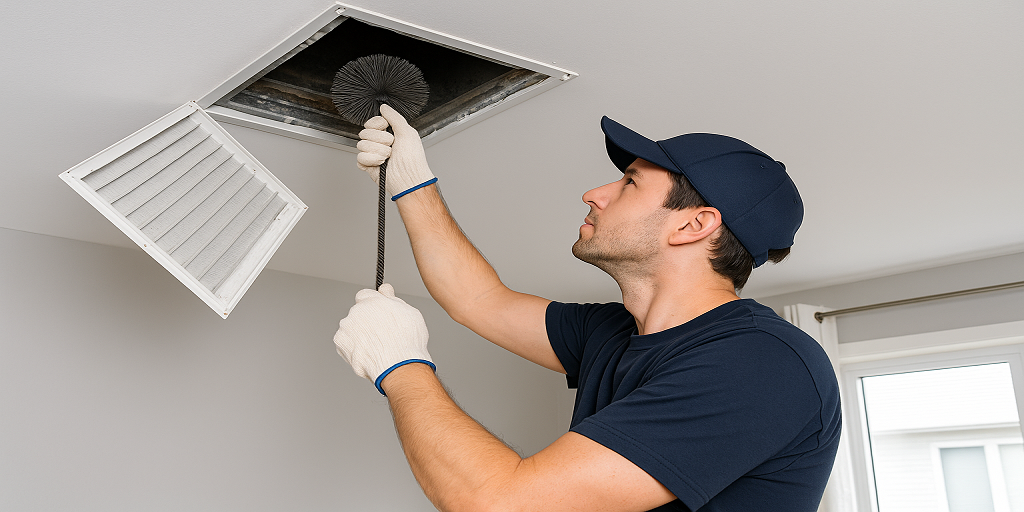
Best Practices for Reducing Air Duct Pollution
To keep your indoor air as clean as possible, consider the following strategies:
- Change HVAC filters regularly, using high-efficiency options when possible.
- Schedule professional duct cleaning every few years, or more often if you have pets, allergies, or recent renovations.
- Address moisture problems promptly to prevent mold growth.
- Seal ductwork leaks to prevent dust and debris from entering the system.
- Use air purifiers with HEPA filters to capture airborne particles.
For a detailed overview of the cleaning process, check out this step-by-step guide to air duct cleaning from industry professionals.
Additionally, if you use a wood stove or fireplace, it’s important to know how to clean a wood stove vent to prevent soot and ash from entering your duct system.
Frequently Asked Questions
How often should I have my air ducts cleaned?
Most experts recommend having your ducts inspected every 3 to 5 years. However, if you notice visible mold, excessive dust, or signs of pests, it’s best to schedule a cleaning sooner. Homes with pets, allergies, or recent renovations may benefit from more frequent service.
Can dirty ducts really affect my health?
Yes, contaminants like dust, mold, and pet dander can aggravate allergies and asthma. Bacteria and chemical residues may also contribute to respiratory issues. Keeping your ductwork clean helps reduce exposure to these pollutants and supports better indoor air quality.
What is the best way to prevent contaminants from building up?
Regular maintenance is key. Change your HVAC filters as recommended, address leaks and moisture problems, and consider using a HEPA air scrubber to capture fine particles. Professional duct cleaning is also an effective way to remove stubborn buildup and ensure your system runs efficiently.
Conclusion
Being aware of the common contaminants found in air ducts empowers you to take action for a healthier home or workplace. By recognizing the signs of dirty ducts and following best practices for maintenance, you can protect your indoor air quality and extend the life of your HVAC system. For more tips on keeping your vents clean, you might also want to learn how to use a shop vac for vent suction for effective DIY cleaning.