Maintaining clean and efficient ductwork is essential for healthy indoor air quality and optimal HVAC performance. Flexible ducts, commonly found in residential and light commercial systems, require special care due to their delicate construction. Using the best methods for cleaning flexible ductwork not only extends the life of your HVAC system but also helps prevent dust, allergens, and mold from circulating throughout your space.
This guide covers safe, effective techniques for cleaning flexible ducts, recommended tools, and important safety precautions. Whether you’re a homeowner or a professional, understanding the right approach is key to avoiding damage and ensuring thorough results. For those managing more complex systems, you may also find value in learning how to clean a multi zone HVAC system for comprehensive maintenance.
Why Flexible Ducts Need Special Attention
Flexible ductwork is typically made of a plastic inner core wrapped with wire and insulation, then covered by a protective outer layer. This design makes it lightweight and easy to install, but also more prone to punctures, tears, and crushing compared to rigid metal ducts. Aggressive cleaning techniques or improper tools can easily damage the duct lining, leading to air leaks and reduced efficiency.
Common issues that signal the need for cleaning include:
- Visible dust or debris around vents
- Reduced airflow or uneven heating/cooling
- Musty or unpleasant odors from the vents
- Increased allergy symptoms or respiratory irritation
Regular inspection and gentle cleaning help maintain air quality and system performance without compromising the integrity of the ductwork.
Essential Tools and Supplies for Safe Cleaning
Before starting, gather the necessary equipment to ensure a safe and effective process. The following tools are recommended for cleaning flexible ducts:
- Soft-bristle brush or duct cleaning brush with flexible handle
- Vacuum with HEPA filter and long hose attachment
- Microfiber cloths or lint-free rags
- Non-abrasive, EPA-approved disinfectant (if needed)
- Screwdriver or nut driver for removing vent covers
- Protective gloves, mask, and safety glasses
Avoid using rotary brushes designed for metal ducts, as these can tear or puncture the inner lining of flexible ductwork. If you’re considering advanced air purification during or after cleaning, a HEPA air scrubber can help capture airborne particles and improve indoor air quality.

Step-by-Step Guide: Best Practices for Cleaning Flexible Ducts
Following a careful, methodical approach is the safest way to clean flexible ductwork. Here’s a step-by-step process:
-
Turn Off the HVAC System
Always shut down the system at the thermostat and breaker to prevent dust from circulating during cleaning. -
Remove and Clean Vent Covers
Use a screwdriver to detach supply and return vent covers. Wash them with warm, soapy water and let them dry completely. -
Loosen Surface Dust
Gently insert a soft-bristle brush or flexible cleaning tool into the duct opening. Carefully sweep the sides to dislodge dust and debris, taking care not to puncture the duct lining. -
Vacuum Debris
Use a vacuum with a long hose and HEPA filter to remove loosened dust. Hold the hose just inside the duct opening and move it slowly to capture as much debris as possible. -
Wipe Accessible Surfaces
For visible dirt near the openings, use a damp microfiber cloth to wipe the inside edges. Avoid reaching too far or using excessive force. -
Disinfect if Needed
If there are signs of mold or musty odors, lightly mist a non-abrasive, EPA-approved disinfectant onto a cloth and wipe accessible areas. Never spray liquids directly into the duct. -
Reinstall Vent Covers and Restore Power
Once everything is clean and dry, replace the vent covers and turn the HVAC system back on.
For a more detailed look at DIY duct cleaning, including additional safety tips, see this comprehensive guide to duct cleaning at home.
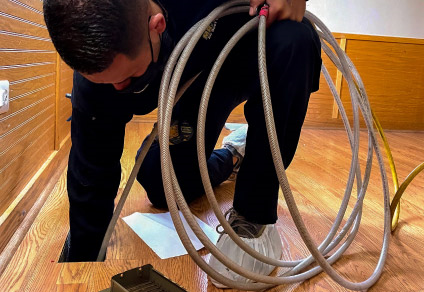
Common Mistakes to Avoid When Cleaning Flexible Ducts
Improper cleaning can do more harm than good. Here are some frequent errors and how to avoid them:
- Using abrasive brushes or power tools: These can tear the duct lining or insulation.
- Applying excessive force: Pushing too hard may crush or deform the duct, restricting airflow.
- Spraying liquids directly: Moisture can become trapped, leading to mold growth or material breakdown.
- Neglecting to check for damage: Always inspect ducts for holes, loose connections, or insulation issues during cleaning.
- Skipping filter replacement: Dirty air filters can quickly recontaminate cleaned ducts and reduce system efficiency.
To further enhance your cleaning routine, consider learning how to use a shop vac for vent suction for professional-level results on accessible duct sections.
When to Call a Professional
While many homeowners can safely maintain their ductwork, certain situations require expert help:
- Extensive mold growth or persistent odors
- Severe dust buildup beyond reach of household tools
- Visible damage, crushed sections, or disconnected ducts
- Allergy or respiratory issues not resolved by basic cleaning
Professional duct cleaners use specialized equipment and techniques to clean deep within the system without damaging flexible materials. They can also inspect for leaks, insulation problems, and other issues that affect indoor air quality.
Maintenance Tips for Cleaner Ducts Year-Round
Keeping ducts clean is an ongoing process. Here are some practical tips to minimize dust and debris buildup:
- Change HVAC filters every 1–3 months, or as recommended by the manufacturer
- Keep supply and return vents clear of furniture, rugs, and obstructions
- Vacuum and dust your home regularly, especially around vents and registers
- Seal duct joints and connections to prevent air leaks and contamination
- Schedule professional inspections every few years, especially if you notice airflow issues or increased dust
For those with wood stoves or other specialty systems, you may also want to review how to clean a wood stove vent to ensure all aspects of your ventilation are properly maintained.
Frequently Asked Questions
How often should flexible ductwork be cleaned?
Flexible ducts should be inspected every 1–2 years and cleaned as needed, typically every 3–5 years. Homes with pets, smokers, or allergy sufferers may require more frequent cleaning.
Can I use a shop vac to clean flexible ducts?
Yes, a shop vac with a long hose and soft brush attachment can be used to remove dust from accessible areas. Avoid inserting rigid or abrasive tools, as these can damage the duct lining. For more details, see our guide on how to use a shop vac for vent suction.
Is it safe to disinfect flexible ducts?
Disinfecting is safe if done carefully. Use a non-abrasive, EPA-approved disinfectant applied to a cloth, and wipe only accessible surfaces. Never spray liquids directly into the duct, as moisture can cause mold or material damage.
What are signs that my ducts need cleaning?
Common signs include visible dust around vents, musty odors, reduced airflow, and increased allergy symptoms. If you notice these issues, inspect your ducts and consider cleaning or calling a professional.
Conclusion
Using the best methods for cleaning flexible ductwork ensures your HVAC system runs efficiently and your indoor air stays healthy. By following safe, gentle techniques and avoiding common mistakes, you can maintain your ducts without causing damage. For more in-depth advice on related topics, such as how to clean an HRV filter or removing specific contaminants like charcoal dust from vents, explore our other maintenance guides. Regular care and attention will keep your home comfortable and your air quality at its best.