Indoor air quality is a growing concern for many households and workplaces. One often overlooked source of contamination is the HVAC system—specifically, the vents that circulate air throughout a building. When these systems are not properly maintained, they can become a pathway for airborne toxins from vents to enter living and working spaces. These pollutants can trigger allergies, exacerbate respiratory conditions, and even pose long-term health risks.
Understanding the types of contaminants that can be distributed through vents, their potential health impacts, and the best strategies for mitigation is essential for anyone looking to maintain a healthy indoor environment. Early intervention and regular maintenance are key to reducing exposure and safeguarding well-being.
If you’re already concerned about air quality, you might also want to learn how to clean an HRV filter for additional protection against indoor pollutants.
Common Sources of Airborne Pollutants in Ventilation Systems
Vents can distribute a wide range of contaminants throughout a building. Some of the most common sources include:
- Mold and Mildew: Moisture buildup in ducts can create ideal conditions for mold growth. Spores released into the air can cause allergic reactions and respiratory issues.
- Dust and Allergens: Dust mites, pollen, and pet dander can accumulate in ductwork and be recirculated, worsening allergy symptoms.
- Volatile Organic Compounds (VOCs): Paints, cleaning agents, and building materials can emit VOCs, which vents may spread throughout the space.
- Bacteria and Viruses: Poorly maintained systems can harbor microorganisms, increasing the risk of illness.
- Chemical Residues: Pesticides, smoke, and other chemicals can linger in ductwork and be released over time.
These contaminants are not always visible, making regular inspection and proactive maintenance crucial.
Health Risks Linked to Toxins Circulating from Vents
Exposure to airborne toxins from vents can have a range of health effects, depending on the type and concentration of pollutants. Some of the most common health risks include:
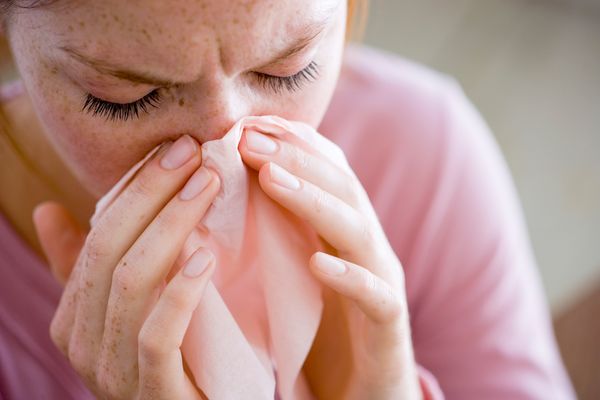
- Allergic Reactions: Symptoms like sneezing, coughing, watery eyes, and skin irritation can be triggered by dust, mold, and pet dander.
- Asthma Flare-Ups: Individuals with asthma are particularly sensitive to airborne irritants, which can provoke attacks or worsen symptoms.
- Respiratory Infections: Bacteria, viruses, and mold spores can increase the risk of respiratory illnesses, especially in vulnerable populations.
- Long-Term Health Effects: Prolonged exposure to VOCs and chemical residues may contribute to headaches, fatigue, and even more serious conditions such as neurological disorders or cancer.
For more detailed information on how airborne contaminants affect health, consult resources like the URMC Health Encyclopedia.
How Toxins Accumulate and Spread Through Vents
Understanding how pollutants build up and move through ventilation systems can help in developing effective mitigation strategies. Here’s how the process typically unfolds:
- Accumulation: Dust, mold, and chemical residues settle in ductwork, especially in areas with poor airflow or high humidity.
- Disturbance: When the HVAC system turns on, air movement can dislodge these particles, sending them into occupied spaces.
- Continuous Circulation: Without proper filtration or cleaning, contaminants are repeatedly cycled through the air, increasing exposure.
This cycle can be broken with regular cleaning and the use of advanced filtration systems.
Effective Strategies to Reduce Airborne Contaminants from Vents
There are several practical steps you can take to minimize the spread of pollutants through your HVAC system:
- Upgrade Filtration: Use high-efficiency filters such as HEPA or electrostatic models to trap fine particles and allergens.
- Regular Cleaning: Schedule professional duct cleaning and clean or replace filters every 1–3 months, depending on usage and manufacturer recommendations.
- Control Moisture: Use dehumidifiers and promptly address leaks to prevent mold growth inside ducts.
- Seal Ductwork: Ensure all joints and connections are properly sealed to prevent contaminants from entering or escaping the system.
- Use Air Purifiers: Portable air purifiers with activated carbon or HEPA filters can further reduce airborne toxins in living spaces.
- Apply Anti-Mold Treatments: Consider using sprays designed to inhibit mold and mildew growth in HVAC components.
For those interested in more advanced cleaning, you may want to explore how to clean a multi zone HVAC system for comprehensive maintenance tips.
Best Practices for Ongoing Vent Maintenance
Maintaining your HVAC system is the most effective way to limit exposure to airborne toxins from vents. Here are some best practices:
- Inspect Vents Regularly: Look for visible dust, mold, or unusual odors coming from vents.
- Change Filters on Schedule: Set reminders to replace or clean filters as recommended by the manufacturer.
- Professional Inspections: Have your system checked by a certified technician at least once a year.
- Keep Surrounding Areas Clean: Vacuum and dust near vents to prevent debris from entering the system.
- Address Issues Promptly: If you notice signs of mold or persistent odors, schedule a professional cleaning immediately.
If you experience specific issues, such as black dust or unusual residues, you may find it helpful to read about how to remove charcoal dust from vents for targeted solutions.
Additional Resources for Vent Cleaning and Air Quality
For those with specialized systems or unique challenges, further reading can provide deeper insights:
- Wood stove users can benefit from guidance on how to clean a wood stove vent to prevent buildup of harmful particles.
- DIY enthusiasts may want to learn how to use a shop vac for vent suction for more thorough cleaning.
Staying informed and proactive is the best defense against the risks posed by contaminated ventilation systems.
Frequently Asked Questions
What are the most common signs of airborne pollutants coming from vents?
Common indicators include persistent dust on surfaces, musty or chemical odors, increased allergy symptoms, visible mold around vent openings, and black or gray dust deposits. If you notice any of these, it’s wise to inspect your HVAC system and consider professional cleaning.
How often should I clean or replace my HVAC filters to reduce toxins?
Most experts recommend checking filters every 1–3 months and replacing them as needed. Households with pets, smokers, or high pollen counts may need to change filters more frequently to maintain optimal air quality.
Can air purifiers help with toxins distributed by vents?
Yes, high-quality air purifiers equipped with HEPA and activated carbon filters can capture many airborne pollutants, including dust, mold spores, and VOCs. However, they should be used in conjunction with regular duct maintenance for best results.
Is it necessary to hire a professional for duct cleaning?
While some maintenance tasks can be done by homeowners, professional duct cleaning is recommended for thorough removal of mold, heavy dust, or chemical residues. Certified technicians have specialized equipment to reach deep into ductwork and ensure a more complete clean.