Maintaining clean air ducts is essential for ensuring healthy indoor air quality and optimal HVAC performance. Among the various methods available, understanding mechanical brush cleaning is crucial for homeowners and facility managers who want to make informed decisions about duct maintenance. This process uses specialized rotating brushes to dislodge and remove accumulated dust, debris, and contaminants from ductwork, providing a thorough and efficient cleaning solution.
Mechanical brush systems have become a preferred choice for many professionals due to their effectiveness in removing stubborn buildup that vacuum-only or air-sweep methods may leave behind. Whether you are considering a professional duct cleaning service or simply want to know more about how these systems work, this guide will walk you through the essentials of mechanical brush cleaning, its benefits, and what to expect during the process.
If you are interested in related maintenance tasks, you may also want to learn how to clean an HRV filter for comprehensive indoor air care.
What Is Mechanical Brush Cleaning?
Mechanical brush cleaning refers to the use of motorized or hand-driven brushes designed specifically for ductwork. These brushes rotate and agitate the interior surfaces of ducts, loosening dust, mold, pet dander, and other contaminants. The loosened debris is then extracted using a powerful vacuum system, often equipped with HEPA filtration to capture fine particles and prevent them from re-entering the indoor environment.
The process is suitable for both residential and commercial HVAC systems and is particularly effective in situations where ducts have not been cleaned for several years or where visible contamination is present. Unlike air-sweep or negative air methods that rely primarily on airflow, mechanical brushing physically scrubs the duct surfaces, ensuring a more thorough removal of stubborn deposits.
How the Mechanical Brush System Works
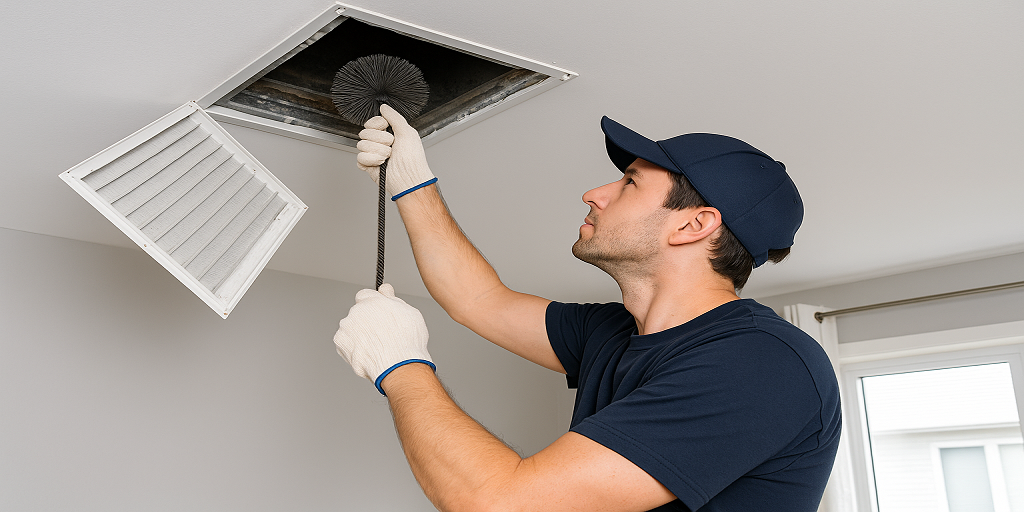
A typical mechanical brush cleaning system consists of a flexible shaft, a rotating brush head, and a drive motor. The brush head is selected based on the duct size and material to avoid damaging the ductwork. During cleaning, the technician inserts the brush into the duct and activates the motor, causing the brush to spin and scrub the interior surfaces.
As the brush moves through the duct, it dislodges accumulated dust and debris. Simultaneously, a high-powered vacuum system collects the loosened particles, preventing them from circulating in the air. Some systems use brushes made from nylon, silica, or other materials to safely clean metal, flex, or fiberglass-lined ducts.
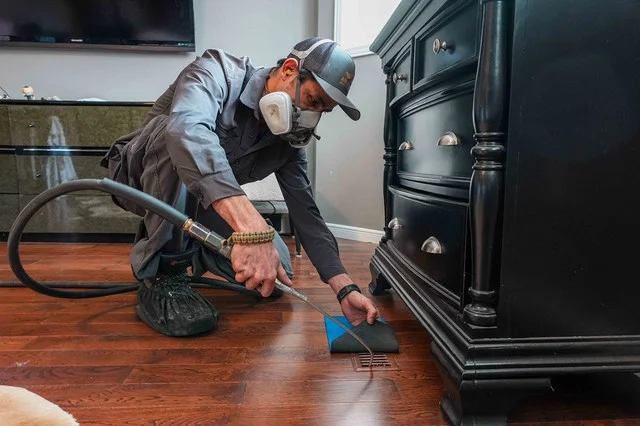
This method is especially effective for ducts with heavy buildup, as the physical action of the brush removes contaminants that might otherwise adhere to the duct walls. For more details on the air duct cleaning process, see this comprehensive overview of air duct cleaning procedures.
Benefits of Using Mechanical Brushes for Duct Cleaning
There are several advantages to choosing mechanical brush cleaning for your ductwork:
- Thorough Debris Removal: The rotating brushes can reach and dislodge stubborn dust, pet hair, and even mold from duct surfaces.
- Improved Indoor Air Quality: By removing contaminants, this method helps reduce allergens and airborne particles, contributing to a healthier living environment.
- Enhanced HVAC Efficiency: Clean ducts allow air to flow more freely, reducing strain on your HVAC system and potentially lowering energy costs.
- Versatility: Mechanical brushes can be used on various duct types, including metal, flex, and lined ducts, with appropriate brush selection.
- Compliance with Industry Standards: Many professional cleaning services use mechanical brushing to meet or exceed standards set by organizations like NADCA (National Air Duct Cleaners Association).
For those managing complex systems, understanding how to clean a multi zone HVAC system can further enhance overall air quality and system performance.
When Should You Consider Mechanical Brush Cleaning?
While regular duct maintenance is recommended for all properties, certain situations make mechanical brush cleaning especially beneficial:
- Visible dust, debris, or mold growth inside ducts
- Unexplained allergy symptoms or respiratory issues among occupants
- Recent renovations or construction work that generated dust
- Long intervals since the last duct cleaning (over 3–5 years)
- Persistent odors coming from the HVAC system
If you notice any of these signs, scheduling a professional cleaning with mechanical brushes can help restore air quality and system efficiency.
What to Expect During a Professional Duct Cleaning
A typical service visit using mechanical brushes involves several steps:
- Inspection: The technician inspects the ductwork to assess contamination levels and select the appropriate brush size and type.
- Preparation: Registers and vents are covered to contain dust, and the HVAC system is turned off.
- Brushing and Vacuuming: The brush is inserted and rotated through each duct section, with a vacuum system collecting loosened debris.
- Final Inspection: After cleaning, the technician may use cameras or mirrors to verify that all contaminants have been removed.
- System Restart: Vents are uncovered, and the HVAC system is restarted to ensure proper operation.
Depending on the size of your system and the level of contamination, the process can take several hours. Professional services may also offer additional options such as antimicrobial treatments or deodorizing sprays.
Comparing Mechanical Brushes to Other Duct Cleaning Methods
While mechanical brush systems are highly effective, they are not the only option for duct cleaning. Other common methods include:
- Air Sweep (Negative Air): Uses high-pressure air and negative pressure to dislodge and remove debris. Effective for light to moderate buildup but may not remove stubborn deposits as thoroughly as brushing.
- Vacuum-Only: Relies solely on suction to remove loose dust and debris. Best for maintenance cleanings rather than deep cleaning.
- Chemical Treatments: Sometimes used in conjunction with brushing or air sweep to address mold or bacteria, but should be applied with caution to avoid introducing harmful residues.
Mechanical brush cleaning stands out for its ability to physically scrub duct surfaces, making it the preferred choice for heavily contaminated or neglected systems.
Tips for Maintaining Clean Ducts After Brushing
To extend the benefits of a professional cleaning, consider these maintenance tips:
- Change HVAC filters regularly (every 1–3 months, depending on system and usage).
- Keep vents and registers free of dust and obstructions.
- Schedule periodic inspections to monitor for signs of contamination.
- Address sources of moisture or leaks to prevent mold growth.
- Consider using HEPA air scrubbers or purifiers to reduce airborne particles.
If you have a wood stove, learning how to clean a wood stove vent can also contribute to better indoor air quality.
Frequently Asked Questions
How often should mechanical brush cleaning be performed on ducts?
For most homes, a thorough cleaning every 3–5 years is sufficient. However, if you have pets, allergies, or recent renovations, more frequent cleanings may be beneficial.
Is mechanical brush cleaning safe for all types of ductwork?
Yes, when performed by trained professionals using the correct brush type and size, this method is safe for metal, flex, and lined ducts. Always ensure the service provider assesses your system before starting.
Can I perform mechanical brush cleaning myself?
While DIY kits are available, professional equipment and expertise are recommended to avoid damaging ducts or leaving debris behind. Professionals also use powerful vacuums with HEPA filters to ensure contaminants are fully removed.
Conclusion
A solid grasp of understanding mechanical brush cleaning empowers property owners to make informed decisions about duct maintenance. This technique delivers a deep, effective clean that supports better air quality and HVAC efficiency. By choosing the right cleaning method and maintaining your system regularly, you can enjoy a healthier, more comfortable indoor environment for years to come.