Keeping air ducts clean is essential for maintaining indoor air quality, optimizing HVAC efficiency, and reducing allergens in homes and businesses. Among the various methods available, understanding compressed air duct cleaning is crucial for anyone considering professional or DIY duct maintenance. This approach uses high-pressure air to dislodge and remove dust, debris, and contaminants from ductwork, ensuring a healthier and more efficient ventilation system.
Before diving into the specifics of compressed air cleaning, it’s helpful to recognize the importance of regular duct maintenance. Dirty ducts can harbor mold, bacteria, dust mites, and even pests, all of which can negatively impact respiratory health and the performance of your HVAC system. For those interested in related maintenance tasks, such as how to clean an HRV filter, there are additional resources available to guide you through the process.
How Compressed Air Duct Cleaning Works
The process of using compressed air for duct cleaning involves specialized equipment that blasts air at high velocity into the ductwork. This air pressure loosens accumulated dust and debris, which is then collected by a powerful vacuum system. The combination of agitation and suction ensures that contaminants are effectively removed from the entire length of the ducts.
Technicians often use a variety of tools, including air whips, skipper balls, and agitation brushes. These attachments help direct the air stream and physically dislodge stubborn debris from duct walls and corners. The vacuum, typically equipped with a HEPA filter, captures the dislodged particles, preventing them from re-entering the indoor environment.
Benefits of Using Compressed Air for Duct Cleaning
There are several advantages to choosing compressed air techniques for duct maintenance:
- Thorough cleaning: The high-pressure air reaches deep into ductwork, including bends and branches that are difficult to access with manual tools.
- Reduced allergen buildup: By removing dust, pollen, and mold spores, this method helps create a healthier indoor environment, especially for allergy sufferers.
- Improved HVAC efficiency: Clean ducts allow air to flow freely, reducing strain on the system and potentially lowering energy costs.
- Minimized risk of damage: When performed by trained professionals, compressed air cleaning is gentle on duct materials and less likely to cause structural harm compared to abrasive brushing.
Key Steps in the Compressed Air Cleaning Process
To better appreciate the effectiveness of this method, it’s helpful to understand the typical workflow:
- Inspection: The technician inspects the ductwork to identify problem areas, blockages, or signs of contamination.
- Preparation: Vents and registers are sealed off to contain dust, and protective coverings are placed over furnishings and floors.
- Agitation: Compressed air tools are inserted into the ducts, breaking up debris and pushing it toward the main trunk line.
- Extraction: A high-powered vacuum, often with a HEPA filter, is connected to the duct system to capture and remove loosened particles.
- Final check: After cleaning, the technician inspects the system to ensure all contaminants have been removed and the ducts are intact.
When to Consider Compressed Air Duct Cleaning
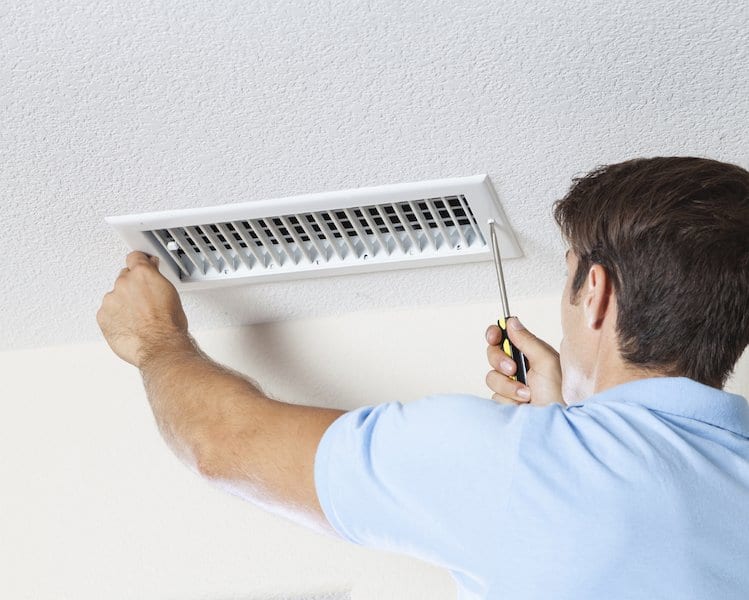
Not every building requires frequent duct cleaning, but certain situations make it especially important:
- After construction or renovation, when dust and debris may have entered the ductwork
- If there are visible signs of mold growth inside ducts or on HVAC components
- When occupants experience unexplained allergies or respiratory issues
- Following an infestation by rodents or insects
- When dust buildup is visible around vents and registers
For those dealing with specific issues, such as how to remove charcoal dust from vents, compressed air cleaning can be an effective solution.
Comparing Compressed Air with Other Duct Cleaning Methods
While compressed air is a popular choice, other duct cleaning techniques exist, each with its own strengths:
- Manual brushing: Involves physically scrubbing duct surfaces with brushes. This can be effective for heavy buildup but may risk damaging delicate duct materials.
- Rotary brush systems: Combine spinning brushes with suction to remove debris. These are often used in conjunction with compressed air for a more thorough clean.
- Chemical treatments: Sometimes used to kill mold or bacteria, but should be applied cautiously to avoid introducing harmful residues into the air system.
Compressed air stands out for its ability to clean complex duct layouts with minimal risk of abrasion or damage. However, for ducts with severe contamination, a combination of methods may be recommended by professionals.
Essential Equipment for Effective Duct Cleaning
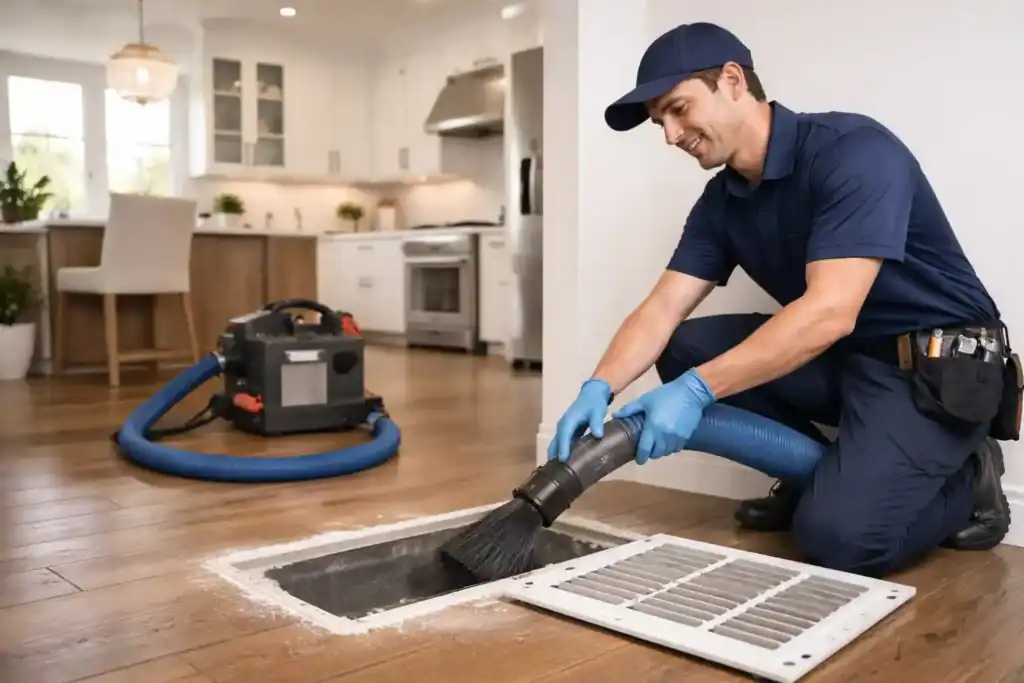
Proper tools are vital for achieving the best results with compressed air cleaning. The main components include:
- Air compressor: Provides the necessary pressure to dislodge contaminants.
- Agitation tools: Such as air whips and skipper balls, which help break up stubborn debris.
- HEPA-filtered vacuum: Captures particles and prevents them from circulating back into the indoor air.
- Inspection cameras: Allow technicians to verify cleanliness and identify hidden issues.
Using a HEPA air scrubber during and after cleaning can further reduce airborne contaminants, especially in sensitive environments.
DIY vs. Professional Compressed Air Duct Cleaning
While some homeowners may attempt to clean ducts themselves, professional services offer several advantages:
- Expertise: Trained technicians understand how to safely and thoroughly clean various duct systems.
- Specialized equipment: Professionals use powerful compressors and vacuums not typically available to consumers.
- Comprehensive cleaning: Pros can access all areas of the ductwork, including hard-to-reach spots and complex layouts.
- Reduced risk: Proper procedures help prevent accidental damage to ducts or HVAC components.
For those interested in learning more about the process, the HomeServe guide to cleaning air ducts offers additional insights and practical tips.
Maintenance Tips After Duct Cleaning
Once your ductwork has been cleaned, a few simple steps can help maintain air quality and system efficiency:
- Change HVAC filters regularly, ideally every 1–3 months
- Keep vents and registers free of dust and obstructions
- Schedule periodic inspections, especially if you notice increased dust or allergy symptoms
- Address any moisture issues promptly to prevent mold growth
For those with more complex systems, such as multi-zone HVAC setups, resources like how to clean a multi zone HVAC system can provide targeted guidance.
Frequently Asked Questions
How often should compressed air duct cleaning be performed?
Most experts recommend cleaning air ducts every 3 to 5 years. However, homes with pets, allergy sufferers, or recent renovations may benefit from more frequent service. Regular inspections can help determine the right schedule for your needs.
Is compressed air safe for all types of ductwork?
When used correctly, compressed air is safe for most duct materials, including metal and flexible ducts. It’s important that technicians adjust pressure levels and use appropriate tools to avoid damaging delicate or older ductwork.
What are the signs that my ducts need cleaning?
Common indicators include visible dust around vents, musty odors, increased allergy symptoms, or evidence of mold or pests inside the ducts. If you notice any of these signs, it’s wise to schedule an inspection.
Can I clean my ducts myself using compressed air?
While it’s possible to clean some accessible duct sections with consumer-grade air compressors, achieving a thorough clean throughout the entire system typically requires professional equipment and expertise. DIY efforts may not remove all contaminants and could risk damaging the ducts if not done carefully.
Does duct cleaning improve HVAC efficiency?
Yes, removing dust and debris from ductwork allows air to flow more freely, reducing strain on the HVAC system and potentially lowering energy costs over time.