Ductwork inspection is a critical part of maintaining healthy indoor air quality and ensuring HVAC systems operate efficiently. Over time, dust, debris, mold, and even pests can accumulate inside air ducts, leading to reduced airflow and potential health risks. To address these issues, professionals rely on specialized tools—most notably, duct inspection cameras. Understanding the types of duct inspection cameras available and their specific applications can help both technicians and property owners make informed decisions about duct maintenance.
If you’re interested in broader HVAC upkeep, you might also want to learn how to clean an HRV filter for improved air exchange and system longevity.
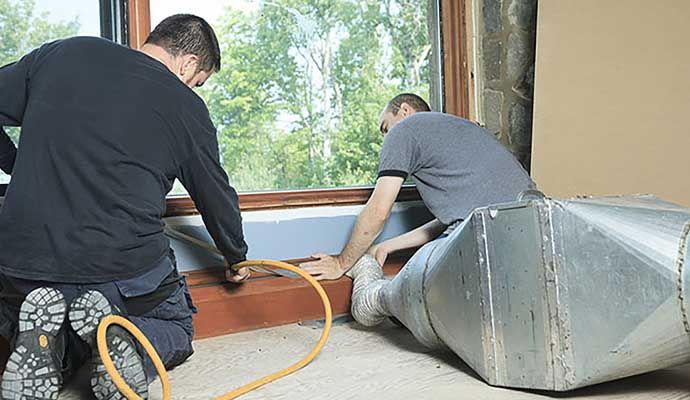
This article will break down the main categories of duct cameras, how they work, and the scenarios where each type excels. Whether you’re a professional HVAC technician or a homeowner looking to understand the process, this guide will clarify the technology behind duct inspections.
Why Duct Inspection Cameras Are Essential
Before exploring the different duct camera types, it’s important to understand why these devices are so valuable. Traditional inspection methods often required guesswork or invasive procedures to identify blockages, leaks, or contamination. Cameras allow for a non-destructive, visual assessment of duct interiors, making it easier to:
- Pinpoint areas with heavy dust or mold buildup
- Locate obstructions or foreign objects
- Identify leaks, cracks, or disconnected sections
- Document duct conditions for clients or insurance purposes
Modern inspection cameras have become essential for both routine maintenance and troubleshooting complex HVAC issues.
Key Types of Duct Inspection Cameras
There are several types of duct inspection cameras, each designed for specific ductwork layouts and inspection needs. The most common categories include:
1. Rigid Borescope Cameras
Rigid borescopes are among the simplest inspection tools. They feature a straight, inflexible probe with a camera and light at the tip. These cameras are best suited for:
- Short, straight duct runs
- Quick visual checks near duct openings
- Situations where flexibility is not required
While affordable and easy to use, rigid borescopes can’t navigate bends or long distances inside ductwork. They’re ideal for spot inspections or verifying cleaning results near vents.
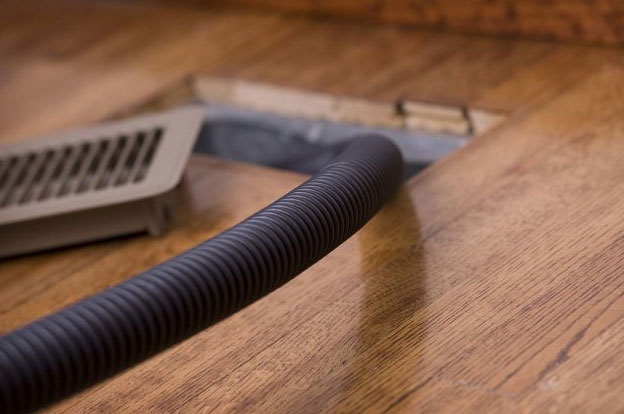
2. Flexible Snake Cameras (Push Cameras)
Flexible snake cameras, also known as push cameras, are the most widely used for duct inspections. These devices feature a long, flexible cable with a camera and LED lights at the end. Key advantages include:
- Ability to navigate bends and turns in ductwork
- Extended reach—some models can inspect up to 100 feet or more
- Real-time video feed for thorough examination
Technicians can push the camera deep into ducts, maneuvering around obstacles and capturing images or video for documentation. Flexible snake cameras are suitable for both residential and commercial duct systems.
3. Robotic Crawling Cameras
For large or complex ductwork, robotic crawling cameras offer advanced capabilities. These systems are equipped with motorized wheels or tracks, allowing them to drive through ducts while transmitting high-definition video. Their features often include:
- 360-degree camera rotation for comprehensive views
- Remote control operation from outside the duct
- Onboard lighting for clear visibility in dark spaces
- Ability to carry cleaning or repair tools
Robotic cameras are typically used in commercial or industrial settings where ductwork is too extensive or hazardous for manual inspection. They provide detailed visual data and can access areas that are otherwise unreachable.
4. Wireless and Wi-Fi Enabled Cameras
Wireless duct cameras are becoming increasingly popular due to their convenience and ease of use. These devices connect to smartphones, tablets, or dedicated monitors via Wi-Fi or Bluetooth, allowing for:
- Live video streaming and recording
- Easy sharing of inspection results
- Remote operation in hard-to-reach areas
Wireless models are available in both rigid and flexible designs, making them suitable for a variety of ductwork configurations. They are especially useful for quick diagnostics and for sharing findings with clients in real time.
Choosing the Right Camera for Your Needs
Selecting the best inspection camera depends on several factors:
- Duct size and layout: Flexible or robotic cameras are better for long, winding ducts, while rigid models suffice for straight, accessible runs.
- Inspection purpose: For routine checks, a basic push camera may be enough. For detailed diagnostics or documentation, consider high-definition or robotic options.
- Budget: Rigid and basic flexible cameras are more affordable, while robotic and wireless models come at a higher cost but offer advanced features.
- Accessibility: In tight or hazardous spaces, remote-controlled or wireless cameras provide safer inspection options.
For more detailed guidance on cleaning and maintaining different types of vents and HVAC systems, you can explore resources like how to clean a multi zone HVAC system or how to clean a wood stove vent.
Key Features to Look For in Duct Cameras
When evaluating different duct inspection camera types, consider the following features to ensure effective inspections:
- Camera resolution: Higher resolution provides clearer images, making it easier to spot small cracks or mold growth.
- Lighting: Adjustable LED lights help illuminate dark duct interiors for better visibility.
- Cable length and flexibility: Longer, more flexible cables allow deeper access into ductwork.
- Recording capability: The ability to capture photos or videos is useful for documentation and client communication.
- Durability: Cameras should be rugged enough to withstand dust, moisture, and occasional impacts.
Some advanced models even offer measurement tools, temperature sensors, or the ability to attach cleaning heads for simultaneous inspection and cleaning.
Applications and Benefits of Using Duct Cameras
The use of inspection cameras in ductwork offers numerous benefits:
- Improved accuracy: Visual confirmation reduces guesswork and ensures targeted cleaning or repairs.
- Time and cost savings: Non-invasive inspections minimize labor and prevent unnecessary duct removal or damage.
- Enhanced documentation: Video and photo records help with client reporting, insurance claims, and compliance.
- Health and safety: Early detection of mold, pests, or contaminants protects building occupants.
For a deeper dive into the practical side of camera-based inspections, the article camera inspection for air ducts provides a thorough overview of professional techniques and case studies.
Common Challenges and Maintenance Tips
While duct cameras are invaluable, users may encounter certain challenges:
- Lens fogging or dirt accumulation: Regularly clean the camera lens to maintain clear visuals.
- Cable snags: Move the camera slowly and avoid forcing it around sharp bends.
- Battery life: For wireless models, ensure batteries are fully charged before inspections.
- Data management: Organize and back up recorded footage for future reference.
Routine maintenance of your inspection equipment will extend its lifespan and ensure reliable performance during every job.
FAQ
What is the difference between a rigid and a flexible duct inspection camera?
A rigid camera has a straight, inflexible probe, making it suitable for short, straight duct runs or quick checks near openings. A flexible camera, often called a snake or push camera, features a bendable cable that can navigate turns and reach deeper into ductwork, making it more versatile for various layouts.
Can duct inspection cameras detect mold or pests inside ductwork?
Yes, most duct cameras are equipped with high-resolution lenses and LED lights, allowing technicians to visually identify mold growth, pest infestations, or other contaminants. However, while cameras can spot visible signs, laboratory testing may still be required to confirm mold types.
Are robotic duct cameras necessary for residential inspections?
Robotic cameras are generally reserved for large commercial or industrial duct systems due to their advanced features and higher cost. For most residential inspections, flexible snake cameras provide ample reach and maneuverability to thoroughly assess duct conditions.
How often should ductwork be inspected with a camera?
It’s recommended to inspect ductwork every 3–5 years, or sooner if you notice reduced airflow, unusual odors, or visible dust around vents. Regular inspections help maintain system efficiency and indoor air quality.
Can I rent or buy a duct inspection camera for DIY use?
Yes, many hardware stores and online retailers offer duct cameras for rent or purchase. However, professional inspections may provide more accurate results, especially for complex or inaccessible ductwork.
Understanding the different types of duct inspection cameras and their uses empowers both professionals and homeowners to maintain cleaner, safer, and more efficient HVAC systems. By choosing the right camera for the job and following best practices, you can ensure thorough inspections and optimal air quality in any building.