Keeping your home’s air ducts clean is important for indoor air quality, HVAC efficiency, and overall comfort. Many homeowners are interested in tackling duct cleaning themselves to save money and maintain control over the process. However, achieving good results requires more than just enthusiasm—you need the right tools needed for diy duct cleaning to do the job safely and effectively.
This guide covers the most important equipment and supplies for a successful do-it-yourself duct cleaning project. You’ll learn what each tool does, why it’s necessary, and how to use it properly. If you’re looking for a step-by-step walkthrough, check out the how to clean air ducts yourself guide for detailed instructions.

Why the Right Equipment Matters for Home Duct Cleaning
Attempting to clean air ducts without the proper gear can lead to incomplete results, wasted effort, or even damage to your HVAC system. Using the correct tools for home duct cleaning ensures that dust, debris, and contaminants are removed thoroughly and safely. It also helps prevent accidental damage to ductwork, vents, and HVAC components.
Professional duct cleaners use specialized equipment, but many effective tools are available for homeowners. With careful selection and preparation, you can achieve a noticeable improvement in air quality and system performance.
Must-Have Tools for Effective DIY Duct Cleaning
Before you begin, gather all the essential supplies. Here’s a breakdown of the most important tools needed for diy duct cleaning and their uses:
- Vacuum with HEPA Filter: A powerful vacuum is crucial for removing dust and debris from ducts. A HEPA filter traps fine particles and prevents them from recirculating into your home.
- Brushes and Agitators: Long, flexible brushes are designed to loosen dirt from duct walls. Rotary brushes or manual options can be used, depending on access and duct type.
- Blower or Air Compressor: Blowers help push loosened debris toward the vacuum intake or out of the system. An air compressor with a nozzle attachment can dislodge stubborn buildup.
- Screwdrivers and Nut Drivers: These are needed to remove vent covers and access panels safely.
- Microfiber Cloths and Cleaning Rags: Use these to wipe down vent covers, registers, and accessible duct surfaces.
- Protective Gear: Safety goggles, gloves, and a dust mask protect you from inhaling dust and allergens during cleaning.
- Flashlight or Headlamp: Good lighting helps you inspect ducts and spot hidden dust or mold.
- Replacement Air Filter: Always replace your HVAC filter after cleaning to maintain clean airflow.
Optional but Helpful Items for DIY Duct Maintenance
While not strictly required, these additional items can make the process easier and more thorough:
- Duct Inspection Camera: A small camera on a flexible cable lets you see inside ducts for a better assessment. Learn more about duct camera inspection benefits for homeowners for added insight.
- HEPA Air Scrubber: This device filters airborne particles during cleaning, improving air quality in your home.
- Sealant Tape: Use HVAC-approved tape to reseal any access holes or leaks you find during cleaning.
Step-by-Step: Using Your Duct Cleaning Tools
Once you have all your supplies, follow these general steps for a successful cleaning session:
- Turn off your HVAC system for safety.
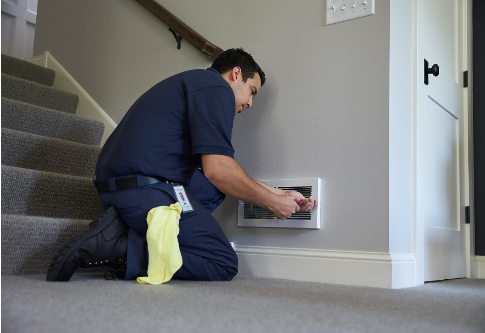
- Remove vent covers and use a vacuum with a brush attachment to clean accessible duct openings.
- Insert a long brush or rotary tool to agitate dust along duct walls. Work carefully to avoid damaging the ductwork.
- Use a blower or air compressor to push loosened debris toward the main duct opening or vacuum intake.
- Wipe down vent covers and registers with a damp microfiber cloth.
- Replace the HVAC filter with a new one to ensure clean airflow.
- Seal any access holes with HVAC tape and reinstall vent covers.
Tips for Choosing and Using Duct Cleaning Equipment
Not all vacuums or brushes are created equal. For best results, select a vacuum with a strong motor and a genuine HEPA filter. Avoid household vacuums that lack the power or filtration needed for ductwork. When choosing brushes, look for long, flexible models that can reach deep into ducts and bend around corners.
If you’re considering a duct inspection camera, review the duct camera inspection best practices to understand how to use it effectively and safely.
Always wear protective gear, especially if you have allergies or respiratory sensitivities. Work methodically, and don’t rush the process—thorough cleaning takes time and patience.
Common Mistakes to Avoid in DIY Duct Cleaning
- Using the Wrong Tools: Household vacuums or short brushes can leave behind dust and debris.
- Skipping Protective Gear: Dust and allergens can cause irritation or health issues if inhaled.
- Neglecting to Replace the Air Filter: A dirty filter can quickly undo your cleaning efforts.
- Forgetting to Seal Access Points: Unsealed holes can lead to air leaks and energy loss.
- Overlooking Professional Help for Mold or Severe Buildup: If you spot mold or heavy contamination, consult a professional for safe removal.
When to Consider Professional Duct Cleaning Services
While many homeowners can handle routine duct maintenance, there are times when calling in the pros is the best choice. If your ducts are heavily contaminated, contain mold, or are difficult to access, professional equipment and expertise may be required. For more details on the process, see this comprehensive guide to cleaning air ducts yourself.
Regular DIY cleaning, combined with occasional professional service, can help maintain a healthy and efficient HVAC system.

FAQ: Home Duct Cleaning Tools and Techniques
What is the most important tool for cleaning air ducts at home?
The most critical item is a vacuum with a HEPA filter. This ensures dust and debris are removed from the ducts and not released back into your living space. Pairing the vacuum with long, flexible brushes will help you reach and dislodge buildup inside the ductwork.
Can I clean my air ducts without professional equipment?
Yes, you can achieve good results with consumer-grade tools designed for duct cleaning. Focus on using a strong vacuum, proper brushes, and safety gear. For a full walkthrough, refer to the how to clean air ducts yourself resource.
How often should I clean my home’s air ducts?
Most experts recommend inspecting and cleaning ducts every 3–5 years, or more frequently if you have pets, allergies, or notice dust buildup. Regularly replacing your HVAC filter and keeping vents clean will help maintain air quality between deep cleanings.
Is a duct inspection camera necessary for DIY cleaning?
While not required, a duct camera can help you spot hidden dust, debris, or mold. It’s especially useful for homeowners who want a thorough inspection before and after cleaning. Learn more about duct camera inspection case studies to see how these tools are used in real homes.
Conclusion
Having the right tools needed for diy duct cleaning makes a significant difference in the effectiveness and safety of your project. With proper preparation and the recommended equipment, you can improve your home’s air quality and HVAC efficiency. Remember to work carefully, use protective gear, and don’t hesitate to seek professional help for challenging situations.