Heating, ventilation, and air conditioning (HVAC) systems are essential for maintaining comfortable indoor environments. However, these systems can also be a significant source of indoor air pollutants from HVAC units, which may impact the health and well-being of building occupants. Understanding what contaminants can circulate through your HVAC, how they affect indoor air quality, and what steps you can take to minimize exposure is crucial for anyone concerned about a healthy home or workplace.
Common pollutants include dust, mold spores, volatile organic compounds (VOCs), pet dander, and even bacteria or viruses. When HVAC systems are not properly maintained, these contaminants can accumulate and spread throughout living spaces. This guide explores the main sources of indoor air pollution related to HVAC, the health risks involved, and practical ways to reduce exposure.
One of the most effective ways to reduce airborne contaminants is to regularly maintain your system. For example, learning how to clean an HRV filter can help keep your ventilation system running efficiently and limit the spread of dust and allergens.
Understanding Common HVAC-Related Indoor Air Pollutants
HVAC systems can introduce and circulate a variety of pollutants. The most prevalent include:
- Dust and particulate matter: Dust accumulates in ductwork and filters, then gets distributed throughout your home.
- Mold and mildew spores: Moisture in ducts or around coils can foster mold growth, which releases spores into the air.
- Volatile organic compounds (VOCs): These chemicals off-gas from building materials, cleaning products, and furnishings, and can be spread by HVAC airflow.
- Pet dander and pollen: Allergens from pets and plants can become trapped in filters and ducts, then recirculated.
- Bacteria and viruses: Poorly maintained systems may harbor microbes that contribute to respiratory illnesses.
Recognizing these sources is the first step toward limiting their impact on your indoor environment.
Health Risks Associated with Polluted Indoor Air
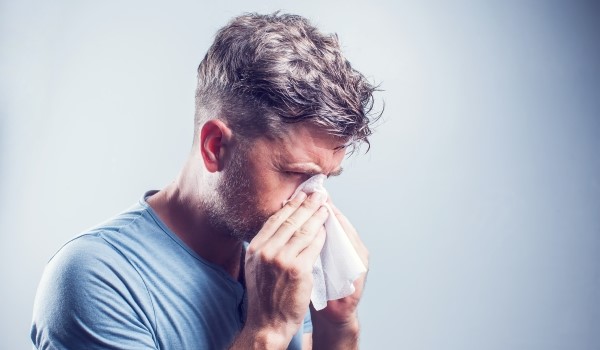
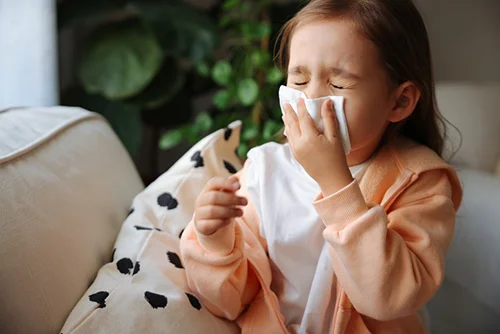
Exposure to contaminants from HVAC systems can lead to a range of health issues. Sensitive individuals, such as children, the elderly, and those with respiratory conditions, are particularly at risk. Common symptoms include:
- Allergic reactions (sneezing, itchy eyes, runny nose)
- Asthma attacks or worsening of asthma symptoms
- Headaches and fatigue
- Respiratory infections
- Long-term exposure may contribute to chronic respiratory diseases
For more information on how poor air quality can affect your health, visit this guide to the signs of poor indoor air quality.
How HVAC Systems Spread Indoor Air Pollutants
HVAC systems are designed to move air throughout a building, but this same function can also distribute contaminants. Here’s how:
- Dirty filters allow dust, pollen, and other particles to bypass filtration and enter living spaces.
- Leaky ducts can pull in dust and debris from attics or crawl spaces.
- Moisture buildup in coils or ducts encourages mold growth, which then releases spores into the air.
- Improperly maintained equipment can harbor bacteria or viruses, especially in humid environments.
Regular inspection and cleaning are key to preventing these issues. If you have a complex system, you may also want to learn how to clean a multi zone HVAC system for more comprehensive maintenance.
Strategies to Reduce Exposure to HVAC-Related Pollutants
There are several effective steps you can take to limit the presence of indoor air pollutants from HVAC systems:
1. Upgrade and Maintain Air Filters
High-efficiency particulate air (HEPA) filters and electrostatic filters can capture a large percentage of airborne particles. Replace or clean filters according to the manufacturer’s recommendations—typically every 1–3 months. Consider upgrading to filters with a higher Minimum Efficiency Reporting Value (MERV) rating for better filtration.
2. Schedule Regular HVAC Maintenance
Annual inspections and professional cleaning help ensure that your system is free of dust, mold, and other contaminants. Technicians can check for leaks, clean coils, and ensure proper drainage to prevent moisture buildup.
3. Control Moisture and Prevent Mold Growth
Keep humidity levels between 30% and 50% to discourage mold and mildew. Use dehumidifiers if necessary, and address leaks or condensation promptly. Anti-mold sprays designed for HVAC systems can help prevent fungal growth inside ducts and on coils.
4. Improve Ventilation
Ensure that your system brings in adequate fresh air from outside. Mechanical ventilation or heat recovery ventilators (HRVs) can help dilute indoor pollutants. For more tips, see how to clean and maintain your HRV system for optimal performance.
5. Clean Ductwork When Needed
While not always necessary, duct cleaning can be beneficial if you notice visible mold, excessive dust, or evidence of pests. Proper cleaning removes accumulated debris and helps restore healthy airflow.
6. Use Air Purifiers for Additional Protection
Portable air purifiers with HEPA filters can supplement your HVAC system, especially in bedrooms or living areas where people spend the most time.
Recognizing When Indoor Air Quality Is a Problem
It’s not always obvious when your indoor air is compromised. Signs of poor air quality may include persistent allergy symptoms, musty odors, visible dust buildup, or increased respiratory issues among occupants. If you notice these warning signs, it’s important to investigate your HVAC system as a potential source.
Sometimes, specific events—such as a water leak or construction project—can introduce new contaminants. In these cases, it may be necessary to perform targeted cleaning, such as learning how to remove charcoal dust from vents after a leak or fire.
Additional Tips for Cleaner Indoor Air
- Keep floors and surfaces clean to reduce dust and allergens.
- Avoid smoking indoors and minimize the use of candles or incense.
- Use low-VOC paints and cleaning products to limit chemical exposure.
- Ensure proper exhaust ventilation in kitchens, bathrooms, and laundry areas.
- Consider regular checks of stove and fireplace vents. For guidance, review how to clean a wood stove vent for safety and air quality.
FAQ
What are the most common indoor air pollutants from HVAC systems?
The most frequent contaminants include dust, mold spores, pet dander, pollen, VOCs, and sometimes bacteria or viruses. These pollutants can accumulate in filters, ducts, and coils, then circulate throughout your home if not properly managed.
How often should I change my HVAC filter to reduce indoor air pollution?
Most manufacturers recommend changing or cleaning filters every 1–3 months, depending on usage and the type of filter. Homes with pets, allergies, or high dust levels may require more frequent changes.
Can air purifiers help with pollutants from HVAC systems?
Yes, portable air purifiers with HEPA filters can capture additional particles and allergens that may bypass your HVAC filter. They are especially useful in bedrooms or areas where people spend the most time.