Heating and cooling account for a significant portion of household energy use, making your HVAC system a major factor in monthly utility bills. By focusing on practical strategies and informed upgrades, homeowners can make meaningful reductions in energy consumption and costs. This guide explores actionable steps, from smart thermostat use to advanced inverter technology, to help you achieve a more efficient and cost-effective home environment.
Understanding HVAC Energy Consumption
To effectively lower your utility bills, it’s important to understand how HVAC systems use energy. These systems regulate indoor temperature by heating or cooling air and circulating it throughout your home. The amount of energy consumed depends on several factors, including system efficiency, insulation quality, thermostat settings, and the condition of ductwork.
Energy efficiency in HVAC systems is measured by how much heating or cooling output is produced per unit of energy consumed. Factors such as the age of the unit, regularity of maintenance, and the presence of energy-saving features all play a role. Inefficient systems or poorly maintained equipment can lead to higher energy use and increased costs.
Maximizing Savings with Programmable and Smart Thermostats
One of the most effective ways to address how to reduce energy costs with HVAC is by upgrading to a programmable or smart thermostat. These devices allow you to set temperature schedules based on when your home is occupied or empty, ensuring that energy isn’t wasted heating or cooling an empty house.
According to ENERGY STAR recommendations, setting your thermostat to automatically adjust temperatures when you’re asleep or away can lead to substantial savings. For example, a programmable thermostat can raise the temperature in summer or lower it in winter during periods when no one is home, then return to a comfortable setting before you arrive. This targeted approach reduces unnecessary system run time and cuts down on wasted energy.
Smart thermostats take this a step further by learning your habits and adjusting settings automatically. Many models can be controlled remotely via smartphone apps, providing flexibility and real-time control. Some even offer energy usage reports and suggestions for further savings. If you’re looking to upgrade, consider searching for a smart thermostat that integrates with your home automation system.
High-Efficiency Systems and the Role of Inverter Technology
Upgrading to a high-efficiency HVAC system can make a significant impact on your energy bills. Modern systems are designed to use less energy while delivering the same or better comfort compared to older models. Look for units with the ENERGY STAR label, which meet strict efficiency guidelines set by the U.S. Environmental Protection Agency.
A key advancement in this area is inverter technology. Unlike traditional systems that operate at a fixed speed—turning on at full power and then shutting off—inverter-driven systems can adjust their output to match the exact cooling or heating demand. This means the compressor runs at variable speeds, using only as much energy as needed at any given moment.
According to manufacturer guidance, high-efficiency air conditioners and heat pumps equipped with inverter technology can significantly lower energy usage. By maintaining a more consistent indoor temperature and avoiding the energy spikes associated with frequent cycling, these systems offer both comfort and savings. Inverter technology is especially beneficial in climates with wide temperature swings, as it allows the system to adapt smoothly to changing conditions.
Pros:
- Reduces energy consumption by matching output to demand
- Maintains more stable indoor temperatures
- Quieter operation compared to traditional systems
- Potentially longer lifespan due to less wear and tear
Cons:
- Higher upfront cost than standard systems
- Requires professional installation and compatible controls
The Importance of Regular HVAC Maintenance
Even the most advanced system can lose efficiency if not properly maintained. Routine upkeep ensures that your HVAC operates at peak performance and helps prevent costly breakdowns. Essential maintenance tasks include:
- Replacing or cleaning air filters every 1–3 months
- Inspecting and cleaning evaporator and condenser coils
- Checking refrigerant levels and topping up if necessary
- Ensuring all electrical connections are secure
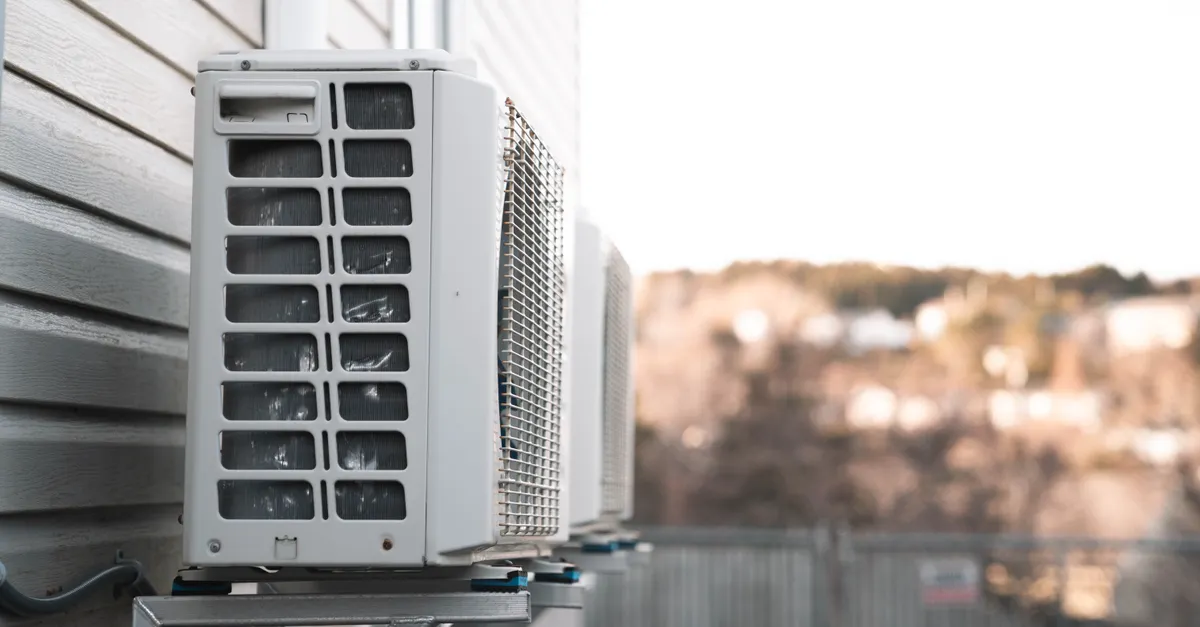
- Clearing debris from outdoor units
Neglecting these tasks can lead to restricted airflow, increased strain on the system, and higher energy consumption. Homeowners with multi-zone systems may also benefit from learning how to clean a multi zone HVAC system to keep each area running efficiently. Scheduling annual professional inspections is also recommended to catch issues early and maintain warranty coverage.
Improving Airflow and Sealing Leaks for Greater Efficiency
Proper airflow is essential for efficient HVAC operation. Blocked vents, dirty filters, or leaky ducts can force your system to work harder, increasing energy use. To optimize airflow:
- Keep supply and return vents clear of furniture and obstructions
- Regularly clean or replace filters
- Inspect ductwork for visible gaps or disconnected sections
Sealing leaks in your home’s envelope is another effective way to reduce energy loss. Common trouble spots include windows, doors, and attic hatches. Applying weatherstripping to movable joints and using caulk to seal stationary gaps can prevent conditioned air from escaping and unconditioned air from entering. For larger gaps or insulation issues, consider using a spray foam insulation kit for a more comprehensive seal.
Maintaining a balanced air pressure within your home also contributes to system efficiency. For more on this topic, you can explore resources about HVAC system and air pressure balance to ensure your system isn’t working against unnecessary resistance.
Conclusion
Reducing energy costs associated with heating and cooling doesn’t require sacrificing comfort. By understanding how your system consumes energy, utilizing programmable or smart thermostats, upgrading to high-efficiency equipment with inverter technology, maintaining your system, and improving airflow and sealing, you can achieve noticeable savings. These steps not only lower your bills but also contribute to a more sustainable and comfortable home environment.
Frequently Asked Questions
What are the most effective ways to lower HVAC-related energy bills?
The most impactful strategies include using programmable or smart thermostats, upgrading to high-efficiency systems with inverter technology, performing regular maintenance, and sealing air leaks to prevent energy loss.
How do programmable thermostats help save energy?
Programmable thermostats allow you to set temperature schedules based on occupancy, ensuring your system isn’t running when it’s not needed. This targeted control can significantly reduce unnecessary energy use, especially during sleeping hours or when the house is empty.
What is inverter technology and why is it beneficial?
Inverter technology enables HVAC systems to run at variable speeds, adjusting output to match real-time demand. This reduces energy consumption by avoiding the frequent on-off cycles of traditional systems, resulting in more consistent comfort and lower utility bills.