Maintaining clean air ducts is a critical part of ensuring healthy indoor air quality and efficient HVAC system performance. Many homeowners and building managers wonder about the ideal frequency for duct cleaning and what factors influence this schedule. Understanding the recommendations from industry professionals can help you make informed decisions about your property’s air system maintenance.
Over time, dust, allergens, and even mold can accumulate inside ductwork, impacting both air quality and energy efficiency. While some situations require more frequent attention, there are standard guidelines and expert insights that can help you determine when your ducts need professional cleaning. This article explores those guidelines, signs that cleaning is needed, and practical tips for keeping your HVAC system in optimal condition.

For those interested in advanced inspection methods, you may want to learn about duct camera inspection benefits for homeowners, which can help identify hidden issues inside your ductwork.
Recommended Frequency for Air Duct Cleaning
According to the National Air Duct Cleaners Association (NADCA), it is generally advised to have your air ducts professionally cleaned every three to five years. However, this is a baseline recommendation. The actual interval can vary based on several factors, including the presence of pets, recent renovations, local climate, and whether anyone in the household has allergies or respiratory issues.
- Every 3–5 years: Standard recommendation for most residential and commercial properties.
- More frequently: If you have multiple pets, smokers, or recent construction work, consider cleaning every 2–3 years.
- Annually: For sensitive environments, such as medical facilities or homes with severe allergy sufferers, annual cleaning may be beneficial.
It’s important to remember that these are guidelines, not strict rules. The best schedule for your property depends on your unique circumstances and environmental factors.
Factors That Influence Cleaning Intervals
Several variables can impact how often ductwork should be cleaned. Understanding these can help you tailor a maintenance plan that fits your needs.
- Pets: Homes with cats or dogs tend to accumulate more hair and dander in the ducts, requiring more frequent cleaning.
- Allergies or Asthma: If anyone in your household suffers from allergies or respiratory conditions, cleaner ducts can help reduce triggers.
- Renovations: Construction dust and debris can quickly clog ducts, so a post-renovation cleaning is often recommended.
- Smoking Indoors: Tobacco smoke leaves residues that can build up in ductwork, impacting air quality.
- Local Environment: Areas with high pollen counts or dust storms may require more frequent attention.
- Mold or Pest Infestations: If you suspect mold growth or have had rodent/insect issues, immediate cleaning is necessary.
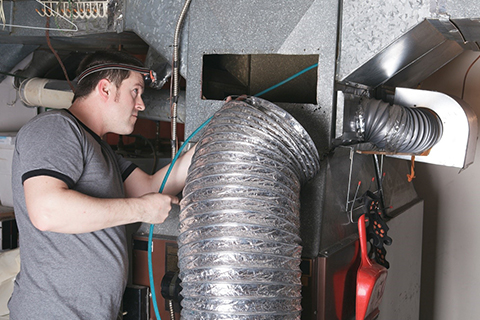
Signs Your Air Ducts Need Cleaning
Even if you follow recommended timelines, certain warning signs indicate that your ductwork may need attention sooner. Watch for these indicators:
- Visible dust or debris: If you see dust blowing from vents when the system is running, it’s time to investigate.
- Mold growth: Any visible mold inside ducts or on HVAC components requires immediate professional cleaning.
- Unexplained odors: Persistent musty or stale smells can signal a buildup of contaminants.
- Increased allergy symptoms: If household members experience more sneezing, coughing, or respiratory discomfort, dirty ducts could be a factor.
- Vermin or insect infestation: Signs of rodents or insects in your ductwork mean cleaning and sealing are needed.
If you notice any of these issues, don’t wait for your next scheduled cleaning—address the problem promptly to protect your indoor air quality.
Benefits of Regular Duct Maintenance
Keeping your ductwork clean offers several advantages beyond just improved air quality. Here are some key benefits:
- Healthier indoor air: Removing dust, pollen, and other allergens helps everyone breathe easier, especially those with sensitivities.
- Energy efficiency: Clean ducts allow your HVAC system to operate more efficiently, potentially lowering utility bills.
- Longer system lifespan: Reducing buildup and blockages can extend the life of your heating and cooling equipment.
- Odor reduction: Eliminating contaminants helps keep your home smelling fresh.
- Reduced maintenance costs: Preventing major issues can save money on repairs and replacements down the road.
For professionals and homeowners alike, using advanced inspection tools can further enhance maintenance. Explore the duct camera inspection best practices to learn more about effective evaluation techniques.
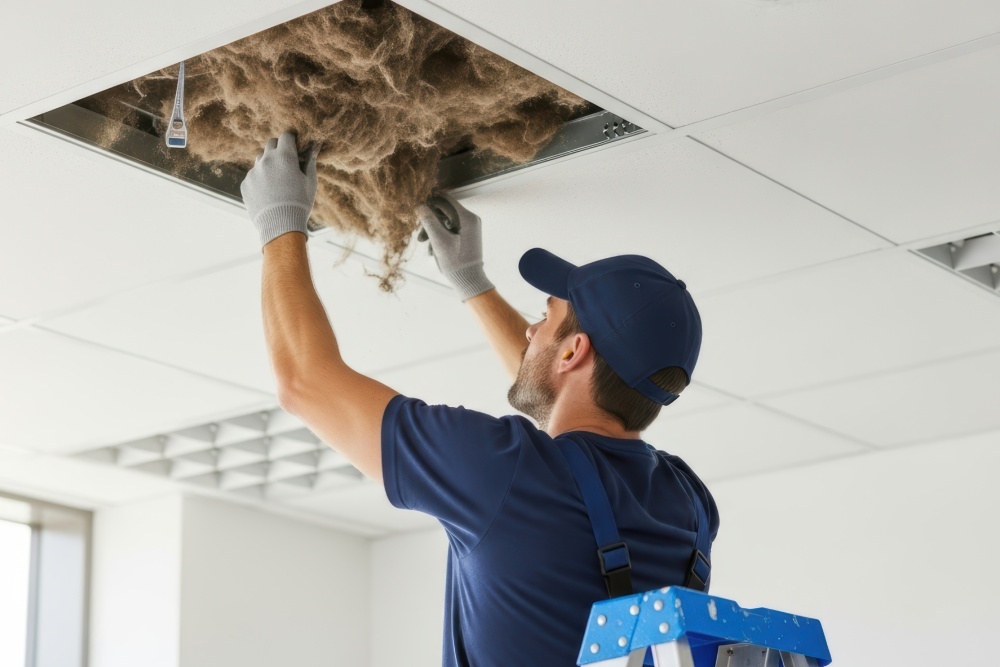
DIY vs. Professional Duct Cleaning
Some property owners consider tackling duct cleaning themselves. While basic maintenance like changing filters and vacuuming vent covers can be done by most people, a thorough cleaning of the entire duct system is best left to professionals with specialized equipment. Attempting a full cleaning without the right tools can lead to incomplete results or even damage.
If you’re curious about what you can safely do yourself and what should be left to the experts, this guide to cleaning your air ducts yourself offers helpful advice on the pros and cons of DIY approaches.
How to Maintain Clean Air Ducts Between Professional Visits
While professional cleaning is essential at regular intervals, there are steps you can take to keep your ductwork cleaner between visits:
- Change HVAC filters regularly: Use high-quality filters and replace them as recommended, usually every 1–3 months.
- Keep vents and registers clean: Dust and vacuum vent covers to prevent buildup.
- Seal leaks: Ensure ductwork is properly sealed to prevent dust and debris from entering.
- Control humidity: Use dehumidifiers or air scrubbers to reduce moisture and prevent mold growth.
- Schedule inspections: Periodic inspections, especially after renovations or pest issues, can catch problems early.
For those interested in the latest inspection methods, reviewing duct camera inspection case studies can provide insight into how professionals identify and resolve ductwork issues.
FAQ
What is the main benefit of having air ducts cleaned regularly?
The primary benefit is improved indoor air quality. Regular cleaning removes dust, allergens, and contaminants, helping to create a healthier environment and reducing the risk of respiratory issues.
Can dirty air ducts affect my HVAC system’s efficiency?
Yes, accumulated debris can restrict airflow, forcing your system to work harder. This can increase energy consumption and lead to higher utility bills, as well as more frequent repairs.
How do I know if my ducts need cleaning before the recommended interval?
Signs like visible dust, mold, unpleasant odors, or increased allergy symptoms suggest it’s time for a cleaning, even if you haven’t reached the typical 3–5 year mark.
Is duct cleaning necessary if I have a new HVAC system?
Even with a new system, ducts can contain construction debris or dust from installation. It’s a good idea to have them inspected and cleaned if needed after major work.
Are there any risks to cleaning air ducts too often?
Over-cleaning is rarely a problem, but unnecessary cleaning can be costly. Stick to recommended intervals unless specific issues arise.