Understanding the differences between duct camera inspection vs visual inspection is essential for property owners, facility managers, and anyone responsible for maintaining HVAC systems. Both techniques are used to assess the condition of air ducts, identify blockages, and ensure optimal indoor air quality. However, the methods, accuracy, and results can vary significantly. This article explores how each approach works, their benefits and limitations, and how to choose the right inspection method for your needs.
Before diving into the details, it’s helpful to consider related maintenance tasks. For example, learning how to clean an HRV filter can further improve your HVAC system’s efficiency and air quality. Regular upkeep, combined with the right inspection method, ensures a healthier indoor environment and extends the life of your equipment.
What Is a Duct Camera Inspection?
A duct camera inspection uses specialized equipment—a flexible camera probe inserted into the ductwork—to provide a real-time, high-resolution view of the interior. The technician can maneuver the camera through bends and branches, capturing images or video footage of hard-to-reach areas. This method is particularly effective for identifying hidden problems such as mold, debris buildup, pest infestations, or structural damage.
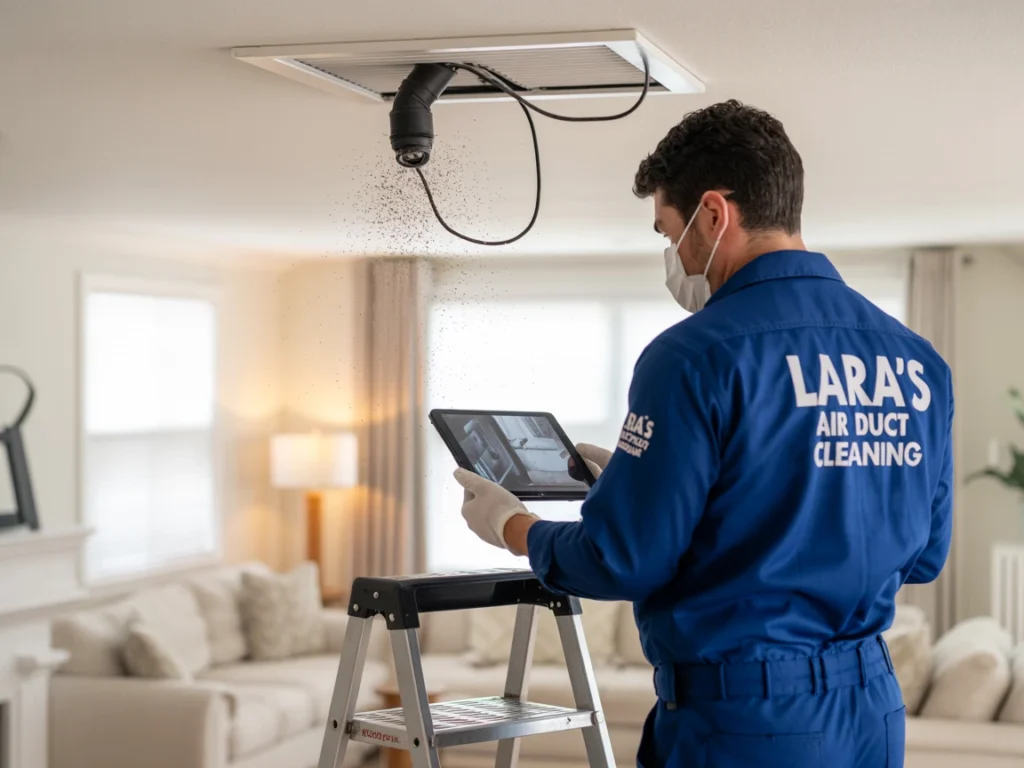
The camera’s live feed allows technicians and property owners to see the actual condition of the ducts, making it easier to pinpoint issues that might otherwise go unnoticed. Some advanced systems can record footage for documentation or future reference, which is especially valuable for insurance claims or before-and-after comparisons following cleaning or repairs.
Understanding Visual Duct Inspection
A visual duct inspection relies on the naked eye and basic tools such as flashlights and mirrors. Technicians typically remove vent covers and examine accessible sections of the ductwork. This approach is most effective for spotting surface-level dust, debris, or visible damage near the openings.
While visual checks are quick and cost-effective, they have significant limitations. Many parts of the duct system are hidden behind walls, ceilings, or floors, making it impossible to inspect every area thoroughly. As a result, some issues—like deep blockages, internal corrosion, or microbial growth—may remain undetected until they cause noticeable problems.
Comparing Duct Camera and Visual Inspections: Key Differences
When weighing duct camera inspection vs visual inspection, several factors come into play. Here’s a closer look at how these methods stack up:
| Aspect | Camera Inspection | Visual Inspection |
|---|---|---|
| Coverage | Full, including hidden and hard-to-reach areas | Limited to accessible sections |
| Accuracy | High—detailed images and video | Low to moderate—depends on visibility |
| Documentation | Photo/video records available | Usually none |
| Detection of Hidden Issues | Excellent | Poor |
| Cost | Higher | Lower |
| Time Required | Moderate | Quick |
The choice between these inspection types often depends on your goals, budget, and the age or complexity of your ductwork.
When Should You Choose Each Inspection Method?
Selecting the right approach depends on your specific situation:
- Routine Maintenance: For regular checkups in newer systems or after recent cleaning, a visual inspection may suffice.
- Suspected Issues: If you notice reduced airflow, musty odors, or increased allergy symptoms, a camera-based assessment is more likely to uncover the root cause.
- Pre- or Post-Cleaning Verification: Camera inspections are ideal for verifying the effectiveness of duct cleaning or repairs, providing visual proof that contaminants have been removed.
- Older or Complex Duct Systems: In buildings with extensive or aging ductwork, camera technology ensures a thorough evaluation.
Benefits of Camera-Based Duct Inspections
Using a camera to inspect ducts offers several advantages:
- Comprehensive Coverage: The camera can navigate the entire duct system, revealing issues that would otherwise be missed.
- Accurate Diagnosis: High-quality images help technicians identify specific problems, leading to targeted solutions.
- Transparency: Property owners can see the footage themselves, building trust and confidence in the inspection process.
- Documentation: Recorded images or videos serve as valuable records for maintenance planning or insurance purposes.
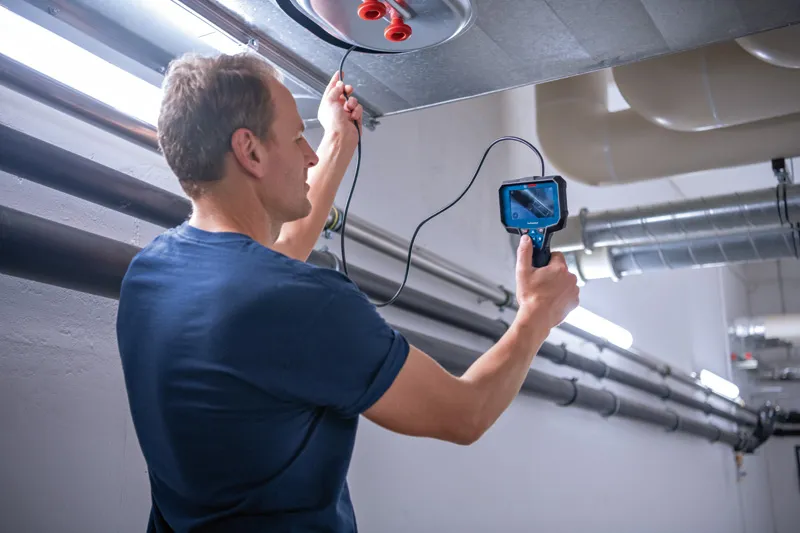
For a deeper dive into the technology and its applications, you can review this comprehensive overview of camera-based duct inspections from an industry leader.
Limitations of Visual Inspections
While visual checks are quick and inexpensive, they come with notable drawbacks:
- Limited Reach: Only the areas near vents or accessible panels can be examined.
- Missed Problems: Deep-seated issues such as mold, leaks, or blockages may go undetected.
- No Documentation: Without photos or videos, it’s harder to track changes over time or justify repairs.
Visual inspections may be suitable for quick assessments but are rarely sufficient for diagnosing complex or hidden problems.
Integrating Inspections with Regular Maintenance
Regardless of which inspection method you choose, regular maintenance is key to keeping your HVAC system running efficiently. Pairing thorough inspections with tasks like how to clean a multi zone HVAC system or how to clean a condo air exchange system ensures that your air quality remains high and energy costs stay low.
Frequently Asked Questions
How often should air ducts be inspected?
Most experts recommend inspecting ductwork every three to five years. However, if you experience unexplained respiratory symptoms, visible mold, or a sudden drop in HVAC performance, an immediate inspection—preferably with a camera—is advisable.
Is a duct camera inspection worth the extra cost?
For properties with complex duct layouts, older systems, or persistent air quality issues, the added accuracy and documentation provided by a camera inspection often justify the higher cost. It can prevent costly repairs by catching problems early.
Can I perform a visual duct inspection myself?
Basic visual checks—such as looking into vents with a flashlight—can be done by homeowners. However, without specialized tools or training, it’s easy to miss hidden issues. For a comprehensive assessment, professional services are recommended.
Conclusion: Making the Right Choice for Your Ductwork
Choosing between a camera-based approach and a standard visual check depends on your needs, budget, and the complexity of your HVAC system. While visual inspections offer a quick overview, camera technology provides a thorough, accurate, and well-documented assessment. Investing in the right inspection method helps maintain healthy indoor air, improves system efficiency, and can save money in the long run.