Understanding duct camera inspection technician qualifications is essential for anyone considering a career in HVAC inspection or for property owners seeking reliable professionals. These technicians play a crucial role in ensuring air ducts are clean, safe, and functioning efficiently by using specialized cameras to inspect and diagnose issues within ductwork. The right qualifications not only guarantee technical expertise but also ensure compliance with industry standards, safety protocols, and customer satisfaction.
Whether you are interested in joining this field or hiring a qualified expert, knowing what credentials, training, and skills are required can make all the difference. This article breaks down the core competencies, certifications, and practical experience needed to excel in this specialized area of HVAC maintenance. For those looking to expand their knowledge on related maintenance, you may also find helpful information on how to clean an HRV filter.

Core Skills Required for Duct Camera Inspection Professionals
A successful duct camera inspection technician must possess a blend of technical, analytical, and interpersonal skills. These core abilities form the foundation for accurate inspections and effective communication with clients.
- Technical Proficiency: Familiarity with HVAC systems and ductwork layouts is crucial. Technicians must understand how air flows through different types of ducts and recognize common issues such as blockages, leaks, or microbial growth.
- Camera Operation: Operating inspection cameras requires steady hands, attention to detail, and the ability to interpret live video feeds. Technicians should be comfortable with digital equipment, including recording and documenting findings.
- Problem-Solving: The ability to identify problems within duct systems and recommend appropriate solutions is vital. This often involves troubleshooting unexpected obstacles or complex duct configurations.
- Communication: Explaining findings to customers in clear, non-technical language helps build trust and ensures clients understand the condition of their ductwork and any recommended actions.
- Attention to Safety: Working in confined spaces and handling electrical equipment requires strict adherence to safety protocols to prevent accidents and ensure compliance with regulations.
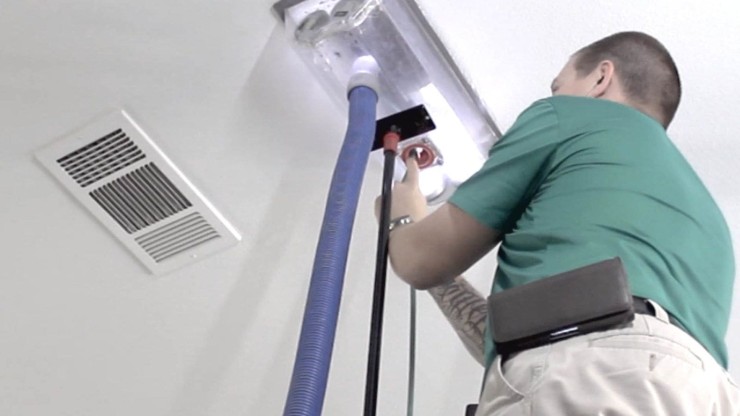
Essential Training and Education for Camera Inspection Technicians
While formal education requirements may vary, most employers look for candidates with at least a high school diploma or equivalent. However, specialized training is what truly sets apart qualified duct inspection professionals.
- HVAC Training Programs: Many technicians complete HVAC certification courses, which cover the fundamentals of heating, ventilation, and air conditioning systems. These programs often include modules on ductwork design, maintenance, and troubleshooting.
- On-the-Job Training: Practical experience is invaluable. New technicians typically undergo supervised training, learning how to operate inspection cameras, navigate duct systems, and follow safety procedures.
- Continuing Education: The HVAC industry evolves with new technologies and regulations. Ongoing education ensures technicians stay current with the latest inspection tools and best practices.
Some technicians may also pursue related training, such as learning how to clean a multi zone HVAC system, to broaden their skill set and offer more comprehensive services.
Certifications That Enhance Duct Camera Inspection Technician Credentials
Certifications validate a technician’s expertise and commitment to quality. While not always mandatory, they are highly regarded by employers and clients alike. Here are some of the most relevant credentials for those specializing in duct camera inspections:
- NADCA Certification: The National Air Duct Cleaners Association (NADCA) offers the Air Systems Cleaning Specialist (ASCS) certification, which covers inspection, cleaning, and restoration of HVAC systems. This credential is widely recognized in the industry.
- HVAC Technician License: Depending on the region, a state or municipal license may be required to perform HVAC work, including duct inspections. Licensing typically involves passing an exam and demonstrating practical experience.
- OSHA Safety Certification: Completing Occupational Safety and Health Administration (OSHA) training demonstrates a technician’s commitment to workplace safety, especially when working in confined spaces or with electrical equipment.
- Specialized Camera Inspection Training: Some manufacturers and industry organizations offer courses specific to camera inspection technology, ensuring technicians are proficient with the latest equipment and software.
Employers and customers often prefer technicians who hold multiple certifications, as this reflects a higher level of professionalism and knowledge.
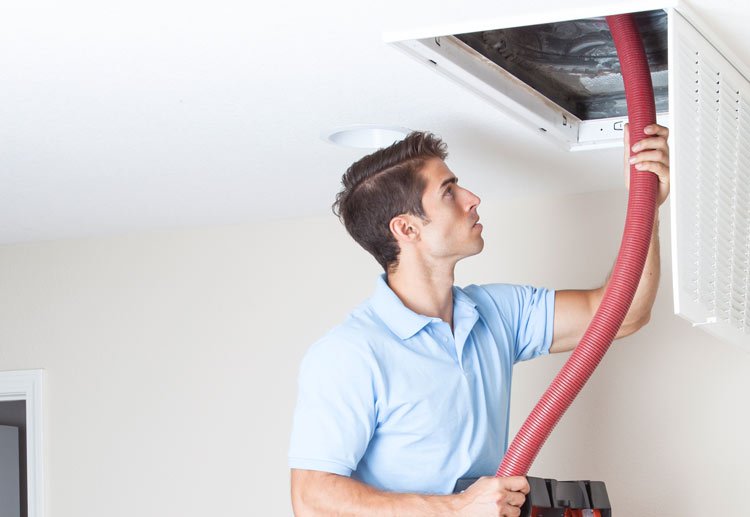
Experience and Practical Knowledge in the Field
While training and certification are important, hands-on experience is equally critical for duct camera inspection specialists. Real-world practice helps technicians develop the intuition and confidence needed to handle a variety of ductwork scenarios.
- Field Experience: Technicians gain valuable insights by working on diverse projects, from residential homes to large commercial buildings. This exposure helps them recognize patterns, anticipate challenges, and refine their inspection techniques.
- Problem Diagnosis: Experience enables technicians to quickly identify issues such as blockages, mold, or damaged ductwork, and to recommend effective solutions.
- Customer Interaction: Seasoned professionals are adept at communicating findings, answering questions, and providing clear recommendations to clients.
Employers often seek candidates with a proven track record in HVAC maintenance or related fields, as this demonstrates reliability and a strong work ethic.
Industry Standards and Best Practices for Duct Camera Inspection
Adhering to industry standards is essential for maintaining quality and safety in duct inspections. Technicians must be familiar with guidelines set by organizations such as NADCA and OSHA, as well as any local regulations.
- Inspection Protocols: Following established procedures ensures thorough and consistent inspections. This includes documenting findings, using calibrated equipment, and maintaining detailed records for clients.
- Safety Guidelines: Technicians must use personal protective equipment (PPE), follow lockout/tagout procedures, and be prepared for confined space entry when necessary.
- Ethical Conduct: Maintaining transparency, honesty, and professionalism builds trust with clients and upholds the reputation of the industry.
For more details on advanced inspection techniques and industry standards, resources like this comprehensive guide to camera duct inspection can provide further insights.
Related Skills and Cross-Training Opportunities
Technicians who expand their expertise beyond camera inspections can offer more value to employers and clients. Cross-training in related areas, such as duct cleaning, HVAC repair, or indoor air quality assessment, is highly beneficial.
- Duct Cleaning: Understanding cleaning methods and equipment allows technicians to recommend or perform follow-up services after inspections.
- Ventilation System Maintenance: Skills in maintaining various ventilation systems, such as learning how to clean a condo air exchange system, can open up additional career opportunities.
- Air Quality Testing: Knowledge of air quality assessment tools and procedures enables technicians to provide comprehensive solutions for clients concerned about allergens, dust, or contaminants.
Cross-training not only enhances job prospects but also improves overall service quality and customer satisfaction.
FAQs About Qualifications for Duct Camera Inspection Technicians
What certifications are most important for a duct camera inspection specialist?
The most recognized credential is the NADCA Air Systems Cleaning Specialist (ASCS) certification. OSHA safety training and a valid HVAC technician license (where required) are also highly valuable. Specialized training in camera inspection technology further enhances a technician’s qualifications.
Is hands-on experience necessary for duct camera inspection work?
Yes, practical experience is essential. While classroom training provides foundational knowledge, real-world practice helps technicians develop the skills needed to navigate complex ductwork, operate inspection equipment, and communicate findings effectively.
Can technicians with other HVAC experience transition into duct camera inspections?
Absolutely. Many HVAC professionals expand into duct camera inspections by completing additional training and certification. Their background in HVAC systems provides a strong foundation for understanding ductwork and related issues.
Conclusion
The path to becoming a qualified duct camera inspection technician involves a combination of technical skills, formal training, industry certifications, and hands-on experience. By meeting these requirements and adhering to industry standards, technicians ensure accurate inspections, safe practices, and high-quality service for their clients. Whether you are seeking to enter this field or hire a professional, understanding these qualifications will help you make informed decisions and achieve the best results for your HVAC system.