Maintaining a safe and hygienic environment in healthcare facilities is a top priority. One often overlooked aspect of this is the cleanliness and integrity of air ducts. Duct camera inspection for hospitals offers a precise, non-invasive way to assess the condition of ventilation systems, helping facility managers ensure optimal air quality and compliance with health standards. This guide explores how these inspections work, their unique benefits for medical settings, and best practices for implementation.
Routine monitoring of ductwork is especially important in environments where infection control is critical. Hospitals, clinics, and other healthcare centers rely on HVAC systems to circulate clean air, control temperature, and prevent the spread of airborne contaminants. By using advanced camera technology, maintenance teams can detect hidden issues before they escalate, supporting both patient safety and regulatory compliance.
For those interested in broader HVAC maintenance, you may also find value in learning how to clean a multi zone HVAC system to complement inspection routines and maintain peak system performance.
Why Healthcare Facilities Need Advanced Duct Inspections
Healthcare environments face unique challenges when it comes to air quality. The presence of immunocompromised patients, sensitive equipment, and strict hygiene standards means that even minor duct issues can have serious consequences. Duct camera inspection for hospitals is an essential tool for:
- Identifying mold, dust, and biological contaminants that can compromise patient health.
- Detecting blockages or debris that restrict airflow and reduce HVAC efficiency.
- Locating leaks or structural damage in ductwork that may allow contaminants to enter the system.
- Documenting the condition of ducts for compliance with health and safety regulations.
Traditional inspection methods often require partial disassembly or guesswork, which can disrupt hospital operations. Camera-based inspections, on the other hand, are minimally invasive and deliver immediate visual feedback.
How Duct Camera Technology Works in Medical Settings
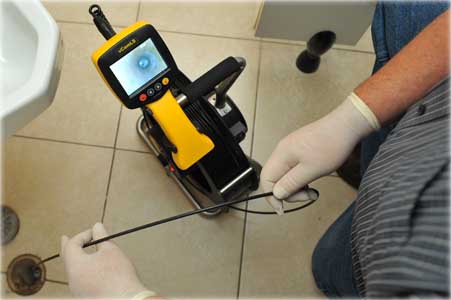
Modern inspection systems use high-resolution cameras mounted on flexible cables or robotic crawlers. These devices can navigate complex duct layouts, capturing real-time video and still images of the interior surfaces. The process typically involves:
- Accessing the ductwork through existing vents or service panels.
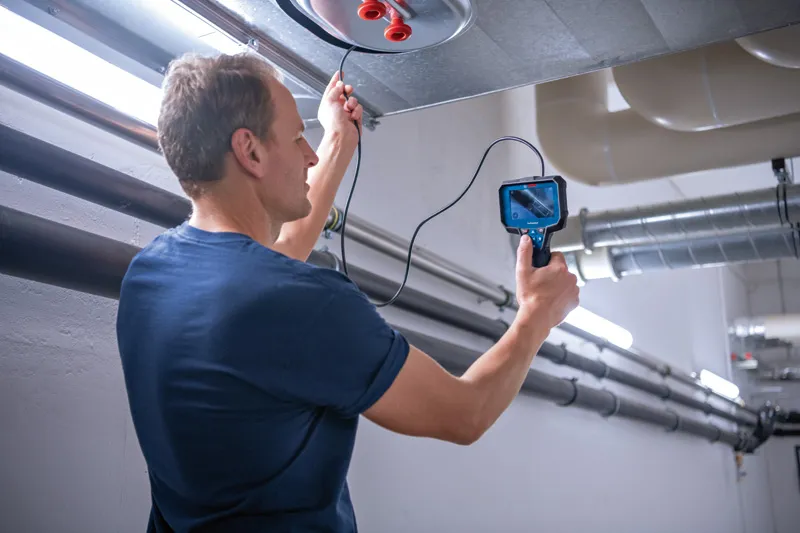
- Inserting the camera system and guiding it through the ducts, either manually or remotely.
- Recording footage and documenting areas of concern, such as dust buildup, microbial growth, or mechanical damage.
- Reviewing the findings with maintenance staff and infection control teams to determine next steps.
Some systems also feature measurement tools, environmental sensors, and the ability to mark specific locations for targeted cleaning or repairs. This level of detail is invaluable for healthcare facilities striving to maintain the highest standards of cleanliness.
Key Benefits of Duct Camera Inspection for Hospitals
Implementing duct camera inspection for hospitals delivers several advantages over traditional inspection methods:
- Non-disruptive process: Inspections can be performed without shutting down HVAC systems or disturbing patient areas.
- Accurate diagnosis: High-definition visuals reveal problems that may be missed by external checks or basic airflow tests.
- Cost savings: Early detection of issues helps avoid expensive repairs, system downtime, or emergency remediation.
- Regulatory compliance: Detailed inspection reports support documentation for health inspections, accreditation, and insurance requirements.
- Enhanced infection control: Identifying and addressing sources of contamination reduces the risk of healthcare-associated infections (HAIs).
These benefits make camera-based inspections a smart investment for any healthcare facility committed to patient safety and operational efficiency.
Best Practices for Implementing Duct Camera Inspections in Healthcare
To maximize the value of duct inspections, hospitals and clinics should follow these best practices:
- Schedule regular inspections: Establish a routine based on facility size, patient population, and HVAC usage. Quarterly or biannual checks are common in high-risk areas.
- Work with certified professionals: Choose technicians experienced in healthcare environments and familiar with infection control protocols.
- Integrate with broader maintenance plans: Use inspection results to inform cleaning schedules, filter changes, and system upgrades.
- Document findings: Maintain detailed records, including images and reports, to demonstrate compliance and track trends over time.
- Communicate with stakeholders: Share results with facility managers, infection control teams, and regulatory bodies as needed.
Proper planning and execution ensure that camera inspections become a valuable part of a hospital’s ongoing maintenance strategy.
Common Issues Detected During Hospital Duct Inspections
Camera-based assessments often reveal issues that would otherwise go unnoticed. Some of the most frequent findings in healthcare settings include:
- Mold and microbial growth: Moisture and organic material can create ideal conditions for mold, which poses a risk to vulnerable patients.
- Accumulated dust and debris: Even with high-quality filtration, particles can settle in ducts over time, reducing air quality and system efficiency.
- Physical damage: Cracks, holes, or disconnected joints can allow unfiltered air or contaminants to enter the ventilation system.
- Obstructions: Construction debris, nesting pests, or improperly installed components may block airflow and strain HVAC equipment.
Early identification of these problems enables targeted remediation, helping to maintain a healthy indoor environment.
Integrating Duct Inspection With Other Maintenance Tasks
While camera inspections provide valuable insights, they are most effective when combined with other maintenance activities. For example, after identifying dust buildup or microbial contamination, facilities can schedule targeted cleaning or disinfection. Resources like how to remove charcoal dust from vents offer practical advice for addressing specific issues found during inspections.
Additionally, understanding how professional camera inspection services operate can help facility managers choose the right provider and ensure that all work meets healthcare standards.
FAQ: Duct Camera Inspections in Healthcare Facilities
How often should hospitals schedule duct camera inspections?
Most healthcare facilities benefit from inspections at least twice a year, with more frequent checks in critical care areas or after major renovations. The ideal schedule depends on factors like building age, HVAC usage, and patient population.
Can duct camera inspections detect all types of contamination?
While these inspections are highly effective at identifying visible issues such as mold, dust, and debris, they may not detect microscopic pathogens or chemical contaminants. However, they are an essential first step in a comprehensive air quality management plan.
Are camera inspections disruptive to hospital operations?
No, one of the main advantages of this technology is its minimal impact on daily activities. Inspections can usually be performed without shutting down HVAC systems or entering patient rooms, making them ideal for sensitive environments.
What should facilities do if a problem is found during inspection?
If issues such as mold, leaks, or obstructions are detected, prompt remediation is essential. This may involve duct cleaning, repairs, or upgrades to filtration systems. Documentation from the inspection helps guide these actions and supports compliance efforts.
By adopting regular duct camera inspection for hospitals, healthcare facilities can proactively manage air quality, reduce risks, and maintain a safe environment for patients and staff alike. Combining this approach with other best practices ensures a comprehensive strategy for HVAC maintenance and infection control.