Maintaining clean air ducts is essential for indoor air quality and the overall efficiency of any HVAC system. Over time, dust and debris accumulate inside ductwork, often out of sight and difficult to assess without specialized tools. Duct camera inspection for dust buildup has become a valuable method for homeowners and professionals to accurately identify problem areas, target cleaning efforts, and prevent potential health and system issues.
This article explores how advanced camera technology is transforming the way we detect and address dust accumulation in ductwork. We’ll look at the inspection process, benefits, what to expect during a professional assessment, and how this approach compares to traditional methods. If you’re interested in broader HVAC care, you might also find our guide on how to clean an HRV filter helpful for maintaining optimal airflow and system health.
Understanding the Role of Cameras in Duct Inspections
Traditional duct inspections often relied on visual checks at vent openings or educated guesses based on system performance. However, these approaches rarely reveal the full extent of dust buildup hidden deep within the ductwork. The introduction of duct camera inspection for dust buildup has changed this, allowing for a thorough and precise evaluation.
A duct inspection camera is a small, flexible device equipped with a high-resolution lens and LED lighting. Technicians insert the camera into the duct system, guiding it through bends and branches while viewing real-time footage on a monitor. This process uncovers dust, debris, mold, and even blockages that would otherwise go unnoticed.
How a Duct Camera Inspection for Dust Buildup Works
The process begins with a technician selecting the best access point, usually a vent or a specially created opening. The camera, attached to a flexible rod or cable, is carefully inserted and maneuvered through the ductwork. As the camera travels, it captures detailed images and video, highlighting areas where dust has accumulated.
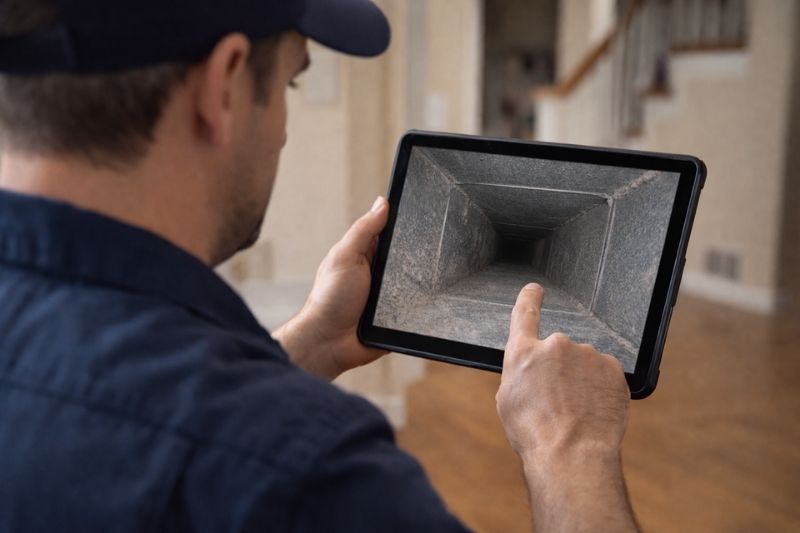
Technicians can pause, zoom, and record footage for later review. This documentation is valuable for both homeowners and service providers, as it offers clear evidence of the duct’s condition and supports decisions about cleaning or repairs.
Some advanced systems even allow for remote sharing of the inspection footage, making it easier for property managers or absent homeowners to understand the findings and approve necessary work.
Benefits of Using Cameras to Identify Dust Accumulation
There are several advantages to using a camera-based approach for detecting dust in ductwork:
- Accuracy: Visual confirmation eliminates guesswork and ensures that cleaning targets the right areas.
- Documentation: Before-and-after images provide proof of service and help track duct condition over time.
- Efficiency: Technicians can quickly identify problem spots, reducing the time and cost of unnecessary cleaning.
- Health and Safety: Early detection of dust, mold, or pest infestations helps prevent respiratory issues and other health risks.
- Transparency: Homeowners can see the actual state of their ducts, building trust in the service provider’s recommendations.
For a deeper look at how camera technology is revolutionizing HVAC inspections, you can read this in-depth article on the role of air duct cameras in HVAC inspections.
Signs That Indicate the Need for a Camera Inspection
While regular maintenance is always recommended, certain symptoms suggest that a closer look inside your ducts is necessary. Consider requesting a duct camera inspection for dust buildup if you notice:
- Visible dust blowing from vents when the system is running
- Unexplained increase in allergy or asthma symptoms among occupants
- Reduced airflow or uneven heating/cooling in different rooms
- Strange odors coming from the ductwork
- Recent renovations or construction that may have introduced debris into the system
Catching these issues early with a camera inspection can prevent more serious problems and help maintain a healthy indoor environment.
What to Expect During a Professional Duct Camera Assessment
A typical professional inspection using a duct camera is straightforward and minimally invasive. Here’s what homeowners can anticipate:
- The technician will explain the process and identify the best entry points for the camera.
- The camera is inserted and navigated through the ductwork, with live footage displayed on a monitor.
- Areas of concern, such as heavy dust buildup or blockages, are documented with images or video.
- The technician reviews the findings with the homeowner, discussing recommended cleaning or repairs if needed.
- After the inspection, the system is reassembled, and a report may be provided for future reference.

The process is typically completed within a couple of hours, depending on the size and complexity of the duct system.
Comparing Camera Inspections to Traditional Methods
Before the widespread use of cameras, duct inspections were largely based on surface-level observation and indirect signs, such as dust around vents or changes in system performance. These methods often missed hidden dust pockets or failed to identify the root cause of airflow problems.
By contrast, a camera-based approach provides a comprehensive view of the entire duct system. Technicians can pinpoint exactly where dust and debris have accumulated, resulting in more effective cleaning and maintenance. This targeted strategy not only improves air quality but can also extend the lifespan of HVAC equipment by reducing strain and preventing clogs.
For those interested in other effective cleaning techniques, our article on how to clean a multi zone HVAC system offers practical tips for keeping complex systems running smoothly.
Integrating Camera Inspections Into Routine Maintenance
Incorporating regular camera inspections into your HVAC maintenance plan is a proactive way to ensure optimal system performance and indoor air quality. Many professionals recommend scheduling an inspection every few years, or more frequently in homes with pets, allergies, or recent renovations.
Combining camera assessments with other maintenance tasks—such as changing filters, cleaning vents, and checking for leaks—creates a comprehensive strategy for dust control. For example, knowing how to remove charcoal dust from vents after a leak can be especially important after identifying the issue with a camera.
Frequently Asked Questions
How often should I schedule a duct camera inspection?
Most experts suggest a camera inspection every three to five years, or whenever you notice signs of dust buildup, reduced airflow, or unexplained respiratory symptoms. Homes with pets, smokers, or recent construction may benefit from more frequent checks.
Is a camera inspection necessary if I regularly change my filters?
While changing filters is essential, it doesn’t address dust and debris that accumulate deep within the ductwork. A camera inspection provides a visual assessment of areas that filters can’t reach, ensuring a more thorough approach to dust management.
Can I perform a duct camera inspection myself?
DIY inspection cameras are available, but professional technicians have the experience and equipment to navigate complex duct systems safely and interpret the findings accurately. For most homeowners, hiring a professional ensures the best results and avoids potential damage to the ductwork.
Conclusion
Advancements in camera technology have made it easier than ever to identify and address dust accumulation within HVAC ductwork. Duct camera inspection for dust buildup offers a precise, transparent, and efficient way to maintain a healthy and efficient home environment. By integrating this approach into your regular maintenance routine, you can ensure cleaner air, better system performance, and peace of mind for years to come.