Improving the energy efficiency of your HVAC system is one of the most effective ways to reduce household energy consumption and lower monthly utility bills. With heating and cooling accounting for a significant portion of home energy use, even small changes in how you operate, maintain, and upgrade your system can yield noticeable savings. This guide explores practical strategies for keeping your HVAC running efficiently, including both internal system improvements and often-overlooked external factors such as shading and window treatments.
Understanding Your HVAC System
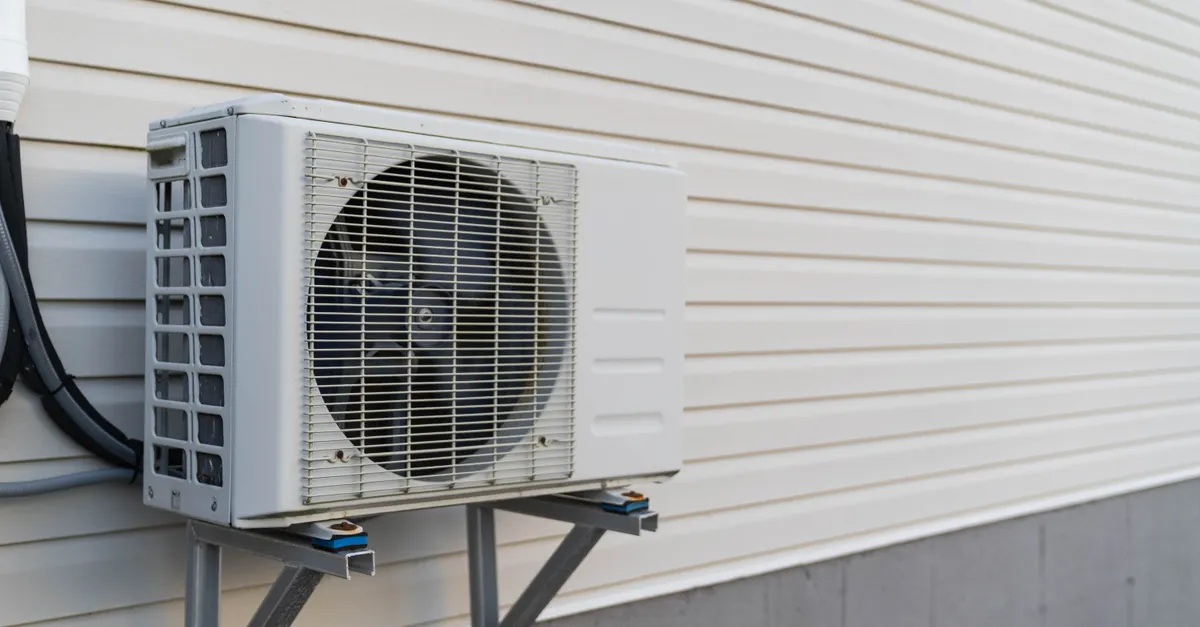
Before diving into specific efficiency strategies, it’s helpful to understand the basic components and operation of a typical HVAC system. Most systems include a compressor, evaporator coil, condenser coil, blower motor, air filters, ductwork, and a thermostat. Each part plays a role in heating, cooling, and circulating air throughout your home.
Knowing how these elements interact helps you identify where inefficiencies may arise. For example, a clogged air filter can restrict airflow, forcing the blower motor to work harder and consume more energy. Similarly, leaky ductwork can allow conditioned air to escape, reducing overall system performance. Regular maintenance of these components is crucial for keeping your system running at peak efficiency, as emphasized by industry experts.
Technological Advancements for Energy Efficiency
Modern HVAC technology has made significant strides in reducing energy consumption. According to recent findings, newer HVAC systems use 30-50% less energy than older models. If your system is over a decade old, upgrading to a high-efficiency unit can result in substantial savings over time.
Key advancements include:
- Two-stage heating: These systems adjust their output based on the current demand, operating at a lower, more efficient setting during mild weather and ramping up only when necessary.
- Variable speed blowers: Unlike traditional blowers that run at full speed until the desired temperature is reached, variable speed models can modulate airflow. This not only saves energy but also improves comfort by maintaining more consistent temperatures.
- Improved heat exchangers and smart thermostats: These features help optimize system performance and allow for more precise control of your home’s climate.
When considering an upgrade, it’s helpful to understand HVAC system efficiency ratings explained so you can make informed decisions about which technologies will deliver the best return on investment.
The Role of Heat Pumps in Energy Efficiency
Heat pumps have become increasingly popular for their ability to provide both heating and cooling while using less energy than traditional systems. Unlike furnaces that generate heat, heat pumps transfer heat from one place to another, making them inherently more efficient.
During the winter, a heat pump extracts heat from the outside air (even when it’s cold) and moves it indoors. In the summer, the process reverses, removing heat from your home and releasing it outside. Because they rely on heat transfer rather than combustion, heat pumps can deliver up to three times more heating energy than the electrical energy they consume, according to industry sources.
Many modern heat pumps also feature variable speed compressors and advanced controls, further enhancing their efficiency and comfort levels. If you’re considering a system replacement or supplement, a heat pump is a strong candidate for reducing both energy use and emissions.
External Factors: Shading and Window Treatments
While much attention is given to internal upgrades, external factors like shading and window treatments can also have a significant impact on HVAC efficiency. These strategies are often overlooked but can make a measurable difference in both comfort and energy consumption.
Shading Your AC Unit
Providing shade for your outdoor AC unit can improve its efficiency. When the unit sits in direct sunlight, it has to work harder to dissipate heat, which increases energy use. Placing the unit in a naturally shaded area or installing a cover that allows for proper airflow can help it operate more efficiently, as supported by industry recommendations.
Window Treatments to Reduce Solar Heat Gain
Windows are a major source of unwanted heat gain, especially during the summer months. Using effective window treatments—such as blinds, shades, or thermal curtains—can block or reflect sunlight, reducing the workload on your HVAC system. According to experts, this simple step can lead to noticeable improvements in overall efficiency and comfort.
For even greater impact, consider combining window treatments with weatherstripping kits to seal gaps and prevent air leaks around windows and doors.
Landscaping for Efficiency
Strategically planting trees or shrubs around your home can provide natural shade and wind protection, further enhancing your system’s ability to maintain comfortable indoor temperatures. Deciduous trees, for example, offer shade in the summer and allow sunlight through in the winter when their leaves fall.
Regular Maintenance: The Key to Efficiency
Ongoing maintenance is essential for keeping your HVAC system running efficiently year-round. Neglecting routine tasks can lead to higher energy bills, reduced comfort, and even costly repairs down the line.
- Replace or clean air filters every 1-3 months, depending on usage and filter type. Dirty filters restrict airflow and force the system to work harder.
- Inspect and clean coils on both the indoor and outdoor units. Dust and debris can insulate coils, reducing their ability to transfer heat.
- Check ductwork for leaks or blockages. Sealing leaks with foil duct tape or mastic can prevent energy loss.
- Schedule annual professional inspections to catch minor issues before they become major problems. Technicians can also check refrigerant levels, test system controls, and ensure all components are operating efficiently.
Regular attention to these tasks not only maintains efficiency but can also extend the lifespan of your HVAC equipment. For more ways to save, see these practical tips on how to reduce energy costs with HVAC.
Conclusion
Maintaining optimal energy efficiency in your HVAC system requires a combination of smart technology choices, regular upkeep, and attention to both internal and external factors. By understanding your system, embracing modern advancements like two-stage heating and heat pumps, and taking advantage of simple strategies such as shading and window treatments, you can significantly reduce your energy consumption and utility costs. Proactive maintenance and thoughtful upgrades will ensure your home stays comfortable year-round while minimizing your environmental footprint.
Frequently Asked Questions
What are the most effective ways to improve HVAC energy efficiency?
The most effective strategies include upgrading to high-efficiency equipment, installing programmable thermostats, using two-stage or variable speed systems, maintaining clean air filters, sealing ductwork, and leveraging external solutions like shading and window treatments to reduce heat gain.
How does regular maintenance impact HVAC energy efficiency?
Regular maintenance—such as changing filters, cleaning coils, and checking for duct leaks—ensures your system operates at peak performance. This reduces energy waste, prevents breakdowns, and can extend the lifespan of your equipment.
How do shading and window treatments affect HVAC efficiency?
Shading your AC unit and using window treatments like blinds or thermal curtains help block solar heat, reducing the cooling load on your HVAC system. This can lower energy use and improve indoor comfort, especially during hot weather.