Air duct leaks can significantly reduce the efficiency of your heating and cooling system, leading to higher energy bills and uneven temperatures throughout your home. While professional equipment can pinpoint leaks with precision, it’s possible to find many problem spots using simple observation and practical methods. Learning how to identify duct leakage points without specialized tools gives homeowners a proactive way to maintain indoor comfort and air quality.
This article outlines practical steps to spot common air leaks in ductwork, signs to watch for, and what you can do next. If you’re interested in broader HVAC maintenance, you might also find our guide on how to clean an HRV filter helpful for improving overall air quality.
Why Duct Leaks Matter in Your Home
Leaky ducts can waste up to 30% of the air moving through your HVAC system. This not only strains your equipment but also leads to inconsistent heating or cooling, dust buildup, and potential indoor air quality issues. Spotting leaks early helps you address problems before they escalate, saving money and improving comfort.
Some of the most common symptoms of duct leakage include:
- Rooms that are difficult to heat or cool
- Noticeable drafts near vents or registers
- Excessive dust or musty odors in certain areas
- Unexplained increases in energy bills
Visual Inspection: The First Step to Finding Leaks
One of the easiest ways to begin identifying duct leakage points is with a thorough visual check. Start by accessing as much of your ductwork as possible—typically in basements, attics, crawl spaces, or utility rooms. Look for the following signs:
- Disconnected joints: Sections of duct that have come apart or are loosely connected.
- Visible gaps or holes: Even small cracks can allow significant air loss.
- Old or deteriorated tape: Duct tape or mastic that is peeling, cracked, or missing.
- Rust or corrosion: Indicates moisture problems and possible air leaks.
- Dust streaks: Lines of dust around seams often point to escaping air.
Pay special attention to connections near vents, at bends, and where ducts branch off. These spots are more prone to separation and wear.
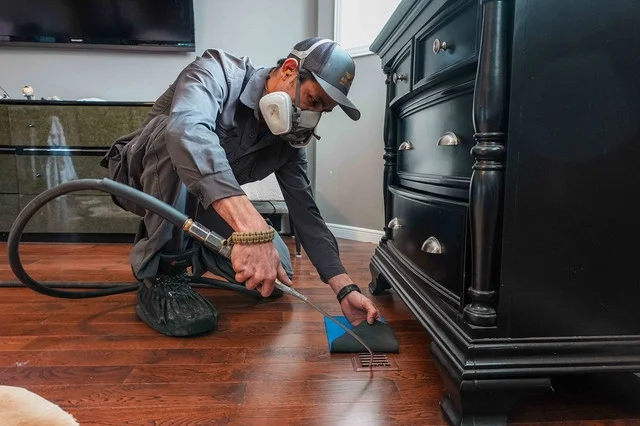
Simple Methods to Detect Air Leaks Without Equipment
Even without access to smoke pencils or pressure testing tools, there are several hands-on techniques you can use to spot leaks:
Hand Test
With the HVAC system running, slowly move your hand along the length of exposed ductwork. Feel for streams of air escaping from seams, joints, or holes. This method works best when the system is set to fan or heating/cooling mode, as airflow is stronger.
Paper or Tissue Test
Hold a thin piece of tissue or toilet paper near suspected joints and seams. If the paper flutters or is pulled toward the duct, there’s likely a leak at that spot. This approach is especially helpful for finding smaller leaks that aren’t obvious to the touch.
Listening for Whistling or Hissing
Turn off any background noise and listen closely along the ductwork. Leaks often produce a faint whistling or hissing sound as air escapes. Mark any noisy spots for further inspection or repair.
Common Areas Where Duct Leaks Occur
Understanding where leaks are most likely to develop can save time and effort. Focus your inspection on these high-risk areas:
- Connections to vents and registers
- Bends and elbows in the ductwork
- Branch points where ducts split
- Transitions between different duct materials (e.g., metal to flexible duct)
- Areas near the air handler or furnace
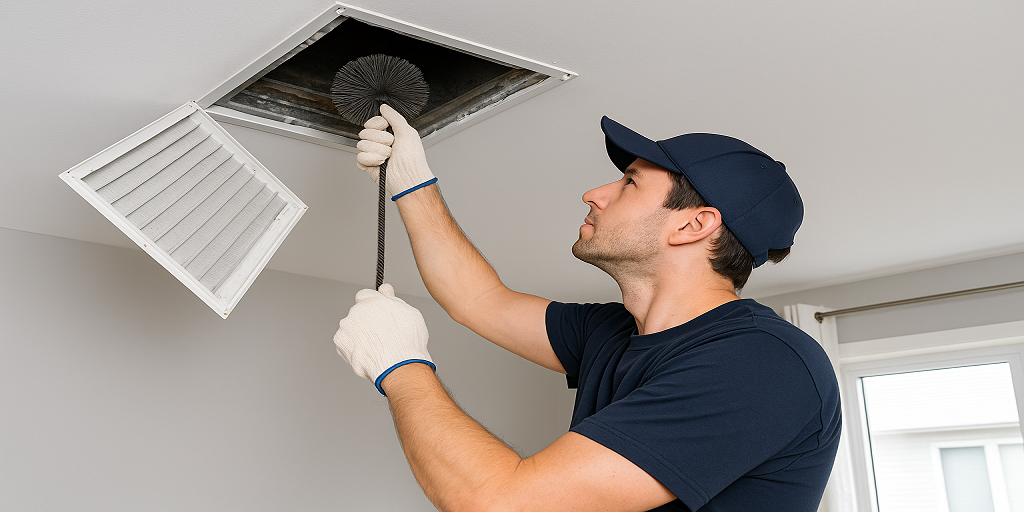
What to Do After Finding Leaks
Once you’ve pinpointed problem spots, you can take steps to address them. For minor leaks, applying mastic sealant or aluminum foil tape is often effective. Avoid using standard duct tape, as it tends to dry out and lose adhesion over time. For larger gaps or disconnected sections, you may need to reattach or replace ductwork.
If you discover extensive damage or if much of your ductwork is hidden behind walls or ceilings, consider consulting a professional. They can perform a comprehensive inspection and recommend lasting solutions.
Maintaining Clean and Efficient Ducts
Regular cleaning and inspection are key to preventing leaks and maintaining good air quality. Dust and debris can accumulate around leaks, making them easier to spot but also contributing to indoor air pollution. For more information on keeping your system in top shape, check out our article on how to clean a multi zone HVAC system.
Additionally, using air filtration devices such as HEPA air scrubbers can help reduce airborne particles while you address duct issues. These devices are especially useful during cleaning or repair work.
When to Call a Professional
While many leaks can be found and sealed by homeowners, some situations require expert help. If you notice persistent HVAC issues, suspect hidden leaks, or want a thorough assessment, professional duct testing can provide peace of mind. For a detailed look at what professional cleaning and inspection involves, see this overview of the air duct cleaning process.
Frequently Asked Questions
How can I tell if my ducts are leaking without special equipment?
Look for visible gaps, disconnected joints, or deteriorated tape. Use your hand or a tissue to feel for escaping air while the system is running. Listen for whistling or hissing sounds along the ductwork.
Are there risks to sealing duct leaks myself?
Sealing minor leaks with mastic or foil tape is generally safe for accessible ducts. However, avoid blocking vents or using improper materials. For hidden or extensive leaks, professional help is recommended to ensure safety and effectiveness.
How often should I check my ductwork for leaks?
It’s a good idea to inspect exposed ductwork at least once a year, especially before peak heating or cooling seasons. Regular checks help catch leaks early and keep your HVAC system running efficiently.