Keeping your home’s air systems clean is essential for both safety and indoor air quality. Two of the most important maintenance tasks are cleaning dryer vents and air ducts. While both jobs involve removing dust and debris from ventilation systems, the methods, tools, and reasons for cleaning them are quite different. Understanding how to clean dryer vents vs air ducts can help you maintain a healthier home, prevent fire hazards, and improve HVAC efficiency.
This guide will break down the main differences between these cleaning processes, outline the steps for each, and offer practical tips for homeowners. If you’re interested in related maintenance, you might also want to learn how to clean an HRV filter for optimal air exchange system performance.
Understanding the Differences Between Dryer Vents and Air Ducts
Before diving into cleaning techniques, it’s important to distinguish between these two systems:
- Dryer vents are dedicated ducts that carry hot, moist air and lint from your clothes dryer to the outside of your home. Their main purpose is to remove moisture and lint buildup from laundry cycles.
- Air ducts are part of your home’s HVAC system, circulating heated or cooled air throughout the building. These ducts can accumulate dust, allergens, mold, and other debris over time.
Because they serve different functions and handle different types of debris, the cleaning process and frequency for each system varies.
Why Regular Cleaning Matters
Neglecting either dryer vent or air duct cleaning can lead to a range of problems:
- Fire risk: Lint buildup in dryer vents is a leading cause of house fires. Regular cleaning dramatically reduces this risk.
- Energy efficiency: Blocked vents or ducts force appliances and HVAC systems to work harder, increasing energy bills.
- Indoor air quality: Dust, mold, and allergens in air ducts can circulate throughout your home, aggravating allergies and respiratory issues.
- Appliance lifespan: Clean vents and ducts help dryers and HVAC systems run more efficiently and last longer.
How to Clean a Dryer Vent: Step-by-Step
Cleaning a dryer vent is a critical safety task that most homeowners can do themselves with the right tools. Here’s how:
- Unplug the dryer and move it away from the wall to access the vent duct.
- Disconnect the vent hose from the back of the dryer. Use a screwdriver if needed.
- Remove lint from the hose and vent opening using a vent brush or vacuum attachment. Pay special attention to bends and elbows where lint can collect.
- Clean the exterior vent cap outside your home. Remove any lint or debris blocking the vent.
- Reattach the vent hose securely and move the dryer back into place. Plug it in and run it briefly to ensure proper airflow.
Experts recommend cleaning your dryer vent at least once a year, or more often if you notice longer drying times or a burning smell during operation.

Cleaning Air Ducts: What’s Involved?
Air duct cleaning is a more complex process and often requires professional equipment. However, some basic maintenance can be performed by homeowners:
- Turn off your HVAC system to prevent dust from circulating during cleaning.
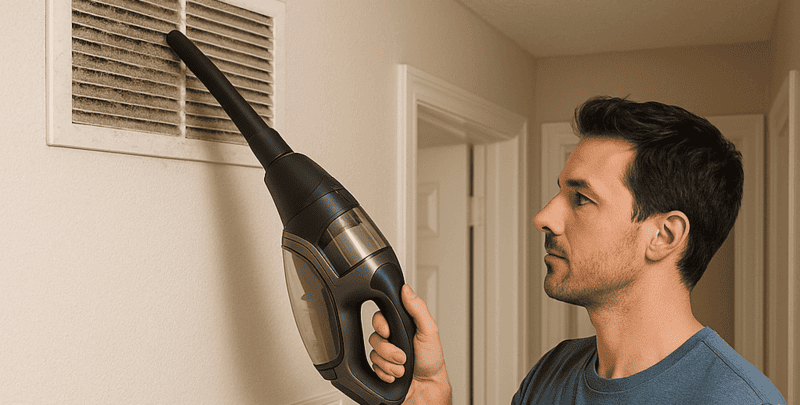
- Remove vent covers and registers. Wash them with soap and water to remove dust and grime.
- Vacuum inside the ducts as far as possible using a long hose attachment. Specialized duct brushes can help dislodge stubborn debris.
- Check for mold or pests. If you notice musty odors, visible mold, or evidence of rodents, professional cleaning is recommended.
- Replace air filters regularly to keep dust from accumulating in the system.
For a thorough job, professionals use high-powered vacuums and agitation devices to clean the entire duct system. According to the EPA, air duct cleaning is most beneficial when there is visible mold, excessive dust, or after renovations.
For more detailed instructions, see this step-by-step guide to cleaning heating and air conditioning ducts yourself.
Comparing Cleaning Methods and Tools
| Aspect | Dryer Vent Cleaning | Air Duct Cleaning |
|---|---|---|
| Frequency | Annually or as needed | Every 3–5 years or as needed |
| Main Tools | Vent brush, vacuum, screwdriver | Vacuum with long hose, duct brush, professional equipment |
| DIY Friendly? | Yes, for most homeowners | Basic cleaning possible, deep cleaning best left to professionals |
| Primary Risks | Lint fires, reduced dryer efficiency | Poor air quality, mold, allergens |
Signs That Cleaning Is Needed
Knowing when to clean your dryer vent or air ducts can help you avoid bigger problems. Look for these warning signs:
- Dryer vents: Clothes take longer to dry, dryer feels hot to the touch, burning smell, visible lint around vent opening.
- Air ducts: Dust buildup on vents, musty odors, increased allergy symptoms, visible mold, recent home renovations.
If you notice any of these issues, schedule cleaning as soon as possible to protect your home and health.
Professional vs DIY: When to Call an Expert
While many homeowners can handle basic dryer vent and air duct maintenance, some situations require professional help:
- Extensive lint buildup in hard-to-reach dryer vent sections
- Mold growth or pest infestations in air ducts
- Persistent odors or unexplained respiratory symptoms
- Large or complex HVAC systems that need specialized tools
Professionals use advanced equipment, such as HEPA vacuums and negative air machines, to ensure thorough cleaning and safe removal of contaminants.
Tips for Maintaining Clean Vents and Ducts
- Check and clean your dryer’s lint trap after every load.
- Inspect exterior vent covers regularly for blockages.
- Replace HVAC filters every 1–3 months.
- Keep furniture and drapes away from vents for better airflow.
- Consider scheduling professional inspections every few years.
For more on maintaining other ventilation systems, see our guide on how to clean a multi zone HVAC system.
Frequently Asked Questions
How often should I clean my dryer vent and air ducts?
Dryer vents should be cleaned at least once a year, or more often if you notice signs of blockage. Air ducts generally need cleaning every 3–5 years, unless you observe mold, dust buildup, or recent renovations that may have introduced debris.
Can I use the same tools for both dryer vents and air ducts?
While some tools like vacuums and brushes are useful for both, dryer vents often require specialized brushes designed to navigate bends and elbows. Air duct cleaning for the entire system typically needs longer hoses or professional-grade equipment.
What are the risks of not cleaning these systems?
Neglecting dryer vent cleaning can lead to fire hazards and reduced dryer efficiency. Ignoring air duct maintenance can worsen indoor air quality, increase allergy symptoms, and allow mold or pests to spread through your home.
By understanding the unique requirements of each system and following proper cleaning practices, you can keep your home safer and your air cleaner. Regular maintenance not only prevents hazards but also helps your appliances and HVAC system run more efficiently for years to come.