Keeping air ducts clean and functional is essential for indoor air quality, energy efficiency, and the longevity of HVAC systems. One of the most effective ways to ensure ductwork remains in optimal condition is through duct camera inspection preventative maintenance. This approach allows professionals and property owners to identify issues early, address blockages, and maintain a healthy environment.
In this article, we’ll explore the fundamentals of using camera technology for ductwork upkeep, outline step-by-step maintenance procedures, and highlight best practices for maximizing inspection results. If you’re interested in safety aspects, you may also want to review the duct camera inspection safety precautions for a comprehensive understanding of safe operation.
Understanding the Role of Camera Inspections in Duct Maintenance
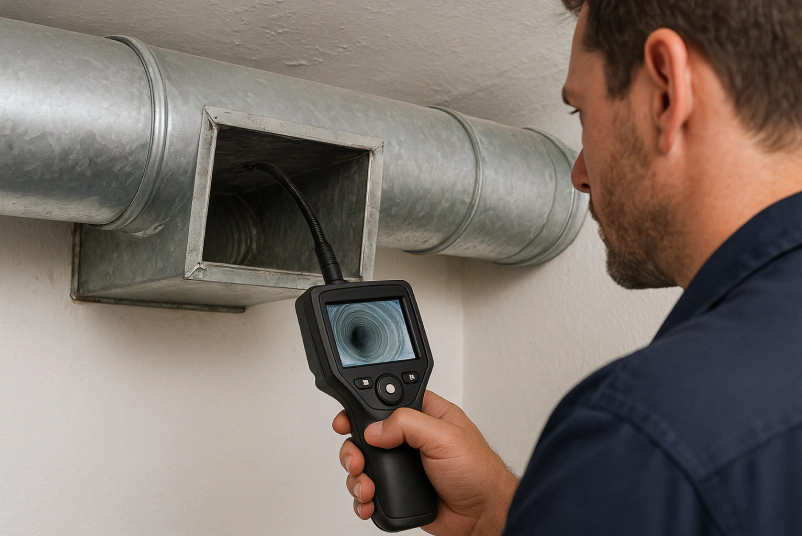
Camera-based inspections have transformed how ductwork is maintained. By inserting a specialized camera into the duct system, technicians can visually assess the interior condition without dismantling large sections. This non-invasive method provides several advantages:
- Early detection of blockages, debris, or mold growth
- Identification of leaks, cracks, or corrosion
- Verification of cleaning effectiveness
- Documentation for compliance and record-keeping
These benefits make preventative maintenance using duct camera inspection a preferred choice for both residential and commercial properties.
Key Steps in Preventative Maintenance with Duct Cameras
A successful maintenance program using camera technology involves several important steps. Following a structured process ensures thorough inspection and reliable results.
1. Preparation and Safety Checks
Before starting, ensure all necessary equipment is available and in good working order. This includes the camera system, lighting, cables, and any required cleaning tools. Review safety guidelines and wear appropriate personal protective equipment (PPE). For more details on equipment, see this duct camera inspection equipment explained guide.
2. Access Point Selection
Identify suitable access points in the ductwork. These are often located near air handlers, vents, or maintenance panels. Proper access ensures the camera can reach all critical sections of the system.
3. Camera Insertion and Navigation
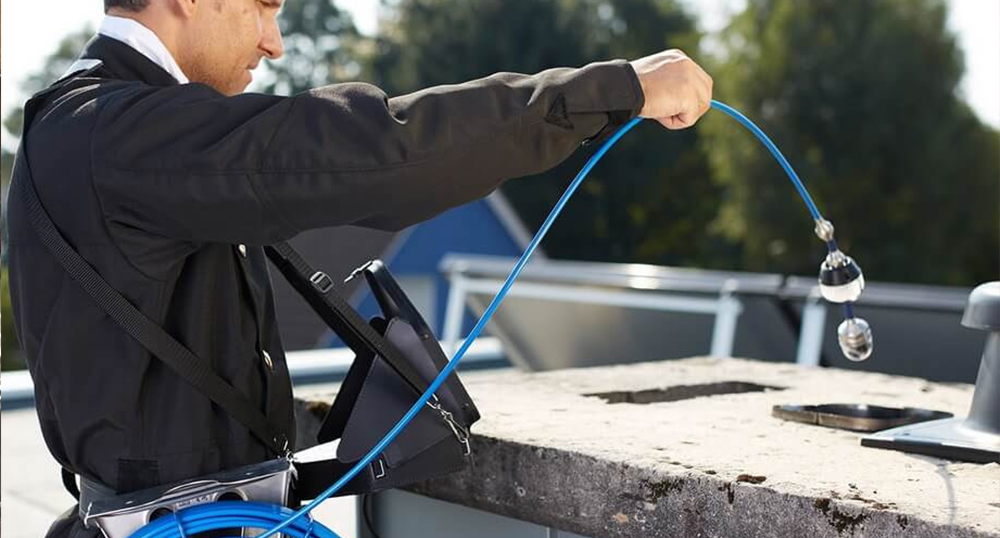
Carefully insert the camera into the duct. Use slow, controlled movements to avoid damaging the equipment or duct lining. Modern systems may include robotic features for easier navigation—learn more in the robotic duct camera inspection systems overview.
4. Real-Time Inspection and Documentation
As the camera moves through the ducts, monitor the live video feed for signs of dust buildup, obstructions, or structural issues. Record footage or take snapshots for documentation and future reference. For information about recording and storage, refer to the duct camera inspection recording capabilities guide.
5. Analysis and Maintenance Actions
Review the recorded footage to identify areas needing attention. This might include cleaning, sealing leaks, or scheduling repairs. Document findings and recommended actions to maintain a clear maintenance history.
Best Practices for Effective Duct Camera Inspections
To maximize the benefits of duct camera inspection preventative maintenance, follow these best practices:
- Schedule inspections at regular intervals, such as annually or after major renovations.
- Use high-resolution cameras with adequate lighting for clear visuals.
- Keep detailed records of each inspection, including images and notes.
- Train technicians on proper camera handling and troubleshooting.
- Stay updated on industry standards and local building codes. For more, see the duct camera inspection building codes overview.
Consistent application of these practices helps prevent costly repairs, improves indoor air quality, and extends the lifespan of HVAC systems.
Common Issues Detected During Camera-Based Duct Maintenance
Regular inspections often reveal a range of issues that can impact system performance and occupant health. Some of the most common findings include:
- Dust and debris accumulation restricting airflow
- Mold or mildew growth in damp areas
- Rodent or insect infestations
- Physical damage such as cracks, holes, or disconnected joints
- Corrosion or rust in metal ducts
Addressing these problems promptly through preventative maintenance helps avoid larger, more expensive repairs in the future.
Benefits of Preventative Maintenance with Duct Cameras
Incorporating camera technology into routine ductwork care provides several key advantages:
- Improved air quality by identifying and removing contaminants
- Enhanced energy efficiency due to unobstructed airflow
- Reduced risk of system breakdowns and emergency repairs
- Better compliance with health and safety regulations
- Peace of mind for property owners and occupants
According to the NADCA guide for new technicians, regular inspections are a cornerstone of effective HVAC maintenance and can greatly extend the life of duct systems.
Frequently Asked Questions
How often should duct camera inspections be performed?
Most experts recommend scheduling a duct camera inspection preventative maintenance session at least once a year. However, more frequent checks may be needed in environments with high dust, pet dander, or after construction projects.
Can camera inspections detect all types of duct problems?
While camera inspections are highly effective for spotting blockages, debris, and visible damage, they may not detect hidden leaks or insulation issues outside the ductwork. Combining camera inspections with other diagnostic tools provides the most comprehensive assessment.
Is preventative maintenance with duct cameras suitable for both residential and commercial properties?
Yes, this approach is valuable for homes, offices, hospitals, and industrial facilities. The process can be tailored to the size and complexity of the duct system, ensuring thorough inspection regardless of property type.