Maintaining clean and efficient HVAC systems is a top priority for hotels and hospitality businesses. With hundreds or even thousands of guests relying on indoor air quality and comfort, regular inspection of ductwork is essential. Duct camera inspection for hotels offers a modern, non-invasive way to assess the condition of ventilation systems, identify hidden issues, and ensure compliance with health and safety standards.
In this article, we’ll explore how advanced camera technology is transforming ductwork inspections in the hospitality sector. We’ll cover the process, key benefits, common findings, and practical tips for facility managers. For those looking to optimize maintenance routines, understanding this approach is crucial. If you’re also interested in related maintenance, you may want to learn how to clean an HRV filter for improved air quality.
Why Hotels Need Advanced Duct Camera Inspections
Hotels and resorts face unique challenges when it comes to HVAC maintenance. Large, complex duct networks often run through multiple floors, guest rooms, kitchens, and event spaces. Traditional inspection methods can be disruptive, time-consuming, and sometimes miss hidden problems deep within the system. This is where duct camera inspection for hotels stands out as a game-changer.
Using specialized cameras, technicians can visually assess the entire length of ductwork without dismantling walls or ceilings. This approach minimizes disruption to guests and staff, while providing a clear, real-time view of the system’s condition. It’s especially valuable for:
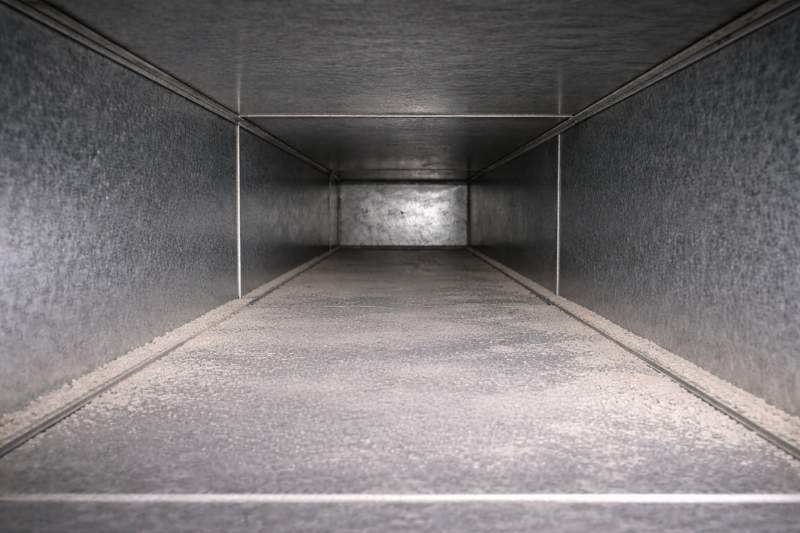
- Identifying blockages, dust buildup, and microbial growth
- Locating leaks, corrosion, or physical damage
- Verifying the effectiveness of previous cleanings
- Ensuring compliance with health regulations
How the Duct Camera Inspection Process Works
The process begins with a thorough assessment of the property’s HVAC layout. Technicians select access points—often existing vents or service panels—through which a flexible camera probe is inserted. The camera transmits high-resolution video to a monitor, allowing both the technician and facility manager to observe the inside of the ducts in real time.
Key steps in the process include:
- Initial walkthrough: Reviewing blueprints and identifying inspection zones
- Camera insertion: Guiding the camera through main trunks and branches
- Live monitoring: Capturing video and still images of any issues
- Documentation: Creating a detailed report with findings and recommendations
- Follow-up: Scheduling cleaning, repairs, or further diagnostics as needed
This minimally invasive method is ideal for busy hotels, as it avoids unnecessary downtime and provides immediate, actionable insights.
Key Benefits for the Hospitality Industry
Implementing duct camera inspection for hotels brings a range of advantages that go beyond simple maintenance. Some of the most important benefits include:
- Improved air quality: Early detection of dust, mold, and allergens helps maintain a healthy environment for guests and staff.
- Energy efficiency: Identifying blockages and leaks allows for targeted repairs, reducing energy waste and utility costs.
- Guest satisfaction: Quiet, non-disruptive inspections mean guests enjoy uninterrupted comfort and peace of mind.
- Regulatory compliance: Detailed inspection reports support adherence to local health and safety codes, which is critical for hospitality businesses.
- Cost savings: Proactive identification of issues prevents costly emergency repairs and extends the lifespan of HVAC equipment.
For more on the technical side of these inspections, the duct inspection camera guide for HVAC system maintenance provides a comprehensive overview of available technologies and their applications.
Common Issues Found During Inspections
Even with regular cleaning schedules, hotel ductwork can accumulate a surprising range of contaminants and problems. Some of the most frequent findings during camera-based assessments include:
- Dust and debris: Construction dust, lint, and other particles can quickly build up, especially in high-traffic areas.
- Mold and bacteria: Moisture from kitchens, pools, or spas can foster microbial growth, posing health risks.
- Pest infestations: Rodents or insects sometimes find their way into ductwork, leaving behind droppings or nests.
- Physical damage: Crushed or disconnected ducts, often hidden behind walls, can reduce airflow and efficiency.
- Obstructions: Forgotten tools, insulation, or even lost items can block airflow and compromise system performance.
By catching these issues early, hotels can address them before they impact guest comfort or lead to expensive repairs.
Integrating Camera Inspections Into Hotel Maintenance Plans
For facility managers, incorporating camera-based duct assessments into routine maintenance is a smart, proactive strategy. Here are some practical tips for seamless integration:
- Schedule inspections during low occupancy periods to minimize guest disruption.
- Combine with other HVAC maintenance tasks such as filter changes or coil cleaning for efficiency.
- Use inspection footage for staff training and to demonstrate the importance of regular upkeep.
- Document findings to build a maintenance history and support warranty claims or regulatory audits.
- Partner with experienced professionals who specialize in hospitality environments and understand unique industry needs.
Hotels with multi-zone systems or specialized ventilation (such as for kitchens or spas) may also benefit from learning how to clean a multi zone HVAC system for optimal performance.
Best Practices for Maximizing Inspection Value
To get the most out of duct camera inspection for hotels, consider these best practices:
- Set clear goals: Define what you want to achieve—whether it’s improving air quality, reducing energy costs, or meeting inspection requirements.
- Choose the right technology: High-definition cameras with flexible probes and recording capabilities offer the best results.
- Review footage with your maintenance team: Collaborative review ensures everyone understands the findings and next steps.
- Follow up promptly: Address any issues discovered during the inspection to prevent escalation.
- Maintain regular intervals: Annual or bi-annual inspections are recommended for most hotels, with more frequent checks in high-use or sensitive areas.
Frequently Asked Questions
How often should hotels schedule duct camera inspections?
Most experts recommend annual inspections for standard hotel environments. However, properties with high guest turnover, on-site kitchens, or wellness facilities may benefit from more frequent checks—every six months is common in these cases. Regular assessments help catch issues early and maintain optimal air quality.
What problems can be detected with a camera inspection that might be missed otherwise?
Camera-based inspections can reveal hidden mold growth, pest infestations, internal corrosion, and blockages deep within the ductwork. These issues are often missed by surface-level checks or basic airflow measurements. The visual evidence provided by cameras supports targeted repairs and thorough cleaning.
Is duct camera inspection disruptive to hotel operations?
No, this method is designed to be minimally invasive. Technicians use existing access points and flexible equipment, so there is little to no need for demolition or major disruption. Most inspections can be completed quickly, often outside of peak guest hours, ensuring business continuity.
Conclusion
For hotels and hospitality businesses, investing in modern ductwork assessment tools is a smart move. By leveraging camera technology, facility managers can maintain cleaner, safer, and more efficient HVAC systems—directly impacting guest satisfaction and operational costs. With regular, professional inspections, hotels can stay ahead of potential problems and deliver the high standards today’s guests expect.