Maintaining a healthy and efficient HVAC system is essential for indoor air quality and energy savings. Over time, air ducts can develop cracks, leaks, or blockages that are difficult to spot with the naked eye. This is where duct camera inspection for damaged ducts becomes invaluable. Using specialized cameras, technicians can visually assess the inside of ductwork, pinpointing issues that might otherwise go unnoticed. This article explains how these inspections work, their benefits, and what to expect if you’re considering this service for your home or business.
Before diving into the technical details, it’s important to understand that regular duct assessments can prevent costly repairs and improve system performance. If you’re interested in related maintenance, you might also want to learn how to clean an HRV filter for optimal air quality.
How Duct Camera Inspections Work
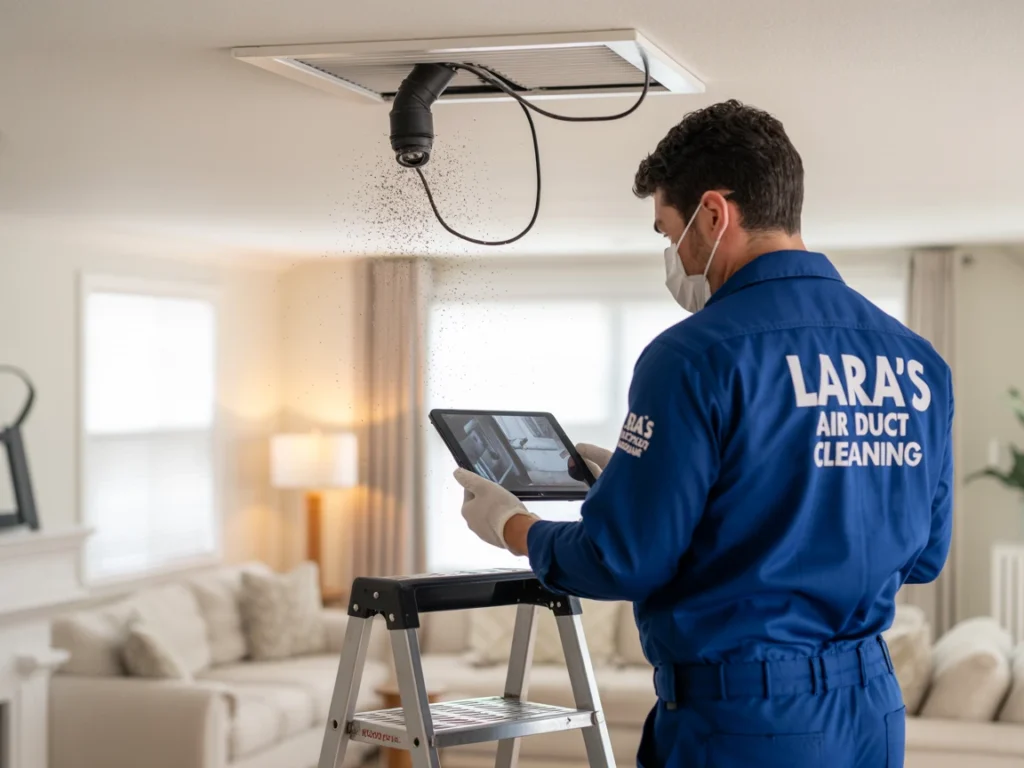
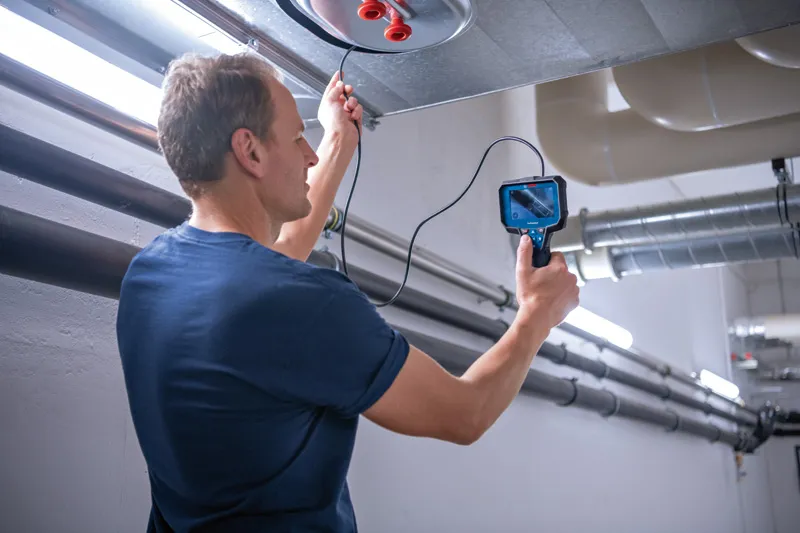
A duct camera inspection for damaged ducts involves inserting a small, flexible camera into the ductwork. These cameras are designed to navigate bends and tight spaces, transmitting real-time video to a monitor. Technicians can then identify a range of issues, including:
- Cracks or holes in the duct walls
- Disconnected or misaligned duct sections
- Accumulation of debris, dust, or mold
- Obstructions caused by pests or foreign objects
- Signs of corrosion or water damage
The process is non-invasive and typically requires minimal disruption to your property. Most inspections can be completed within a few hours, depending on the size and complexity of the duct system.
Key Benefits of Camera-Based Duct Assessments
There are several advantages to using camera technology for ductwork evaluation:
- Accurate Detection: Visual confirmation allows for precise identification of problem areas, reducing guesswork and unnecessary repairs.
- Cost Savings: Early detection of leaks or blockages can prevent expensive repairs and reduce energy waste.
- Improved Air Quality: Identifying and removing contaminants or mold helps maintain a healthier indoor environment.
- Documentation: Many companies provide video or photo evidence, which is useful for insurance claims or landlord-tenant disputes.
- Peace of Mind: Knowing the exact condition of your ductwork helps you make informed decisions about maintenance and repairs.
If you’re managing a more complex system, you may also be interested in how to clean a multi zone HVAC system to complement your inspection routine.
Common Signs That Indicate Duct Damage
While routine inspections are recommended, certain symptoms suggest it’s time to schedule a duct camera inspection for damaged ducts:
- Unexplained spikes in energy bills
- Uneven heating or cooling in different rooms
- Visible dust or debris around vents
- Musty or unpleasant odors when the HVAC runs
- Increased allergy symptoms among occupants
These issues often indicate air leaks, blockages, or contamination within the ductwork. A camera-based assessment can quickly confirm the cause and guide targeted repairs.
What to Expect During a Professional Duct Camera Service
When you hire a qualified technician for this type of inspection, the process generally follows these steps:
- Initial Consultation: The technician discusses your concerns and reviews the layout of your HVAC system.
- Camera Setup: Access points are selected, and the camera is carefully inserted into the ductwork.
- Live Inspection: The technician navigates the camera through the ducts, capturing video and images of any issues.
- Findings Review: After the inspection, you’ll receive a summary of the results, often with visual documentation.
- Recommendations: If damage or contamination is found, the technician will suggest appropriate repairs or cleaning.
Some companies offer advanced reporting, making it easier to track the condition of your ductwork over time. For more details about the technology and process, see this comprehensive overview of camera duct inspection services.
Integrating Camera Inspections Into Regular Maintenance
Incorporating camera-based assessments into your HVAC maintenance schedule can help you stay ahead of potential problems. Experts recommend scheduling an inspection:
- Every 3–5 years for residential properties
- Annually for commercial buildings or high-use systems
- After renovations, pest infestations, or water damage events
Pairing these inspections with routine cleaning, such as learning how to remove charcoal dust from vents, ensures your system remains efficient and safe.
DIY vs. Professional Duct Camera Inspection
While some homeowners may be tempted to purchase consumer-grade inspection cameras, professional services offer several advantages:
- Expertise: Trained technicians can interpret findings accurately and recommend effective solutions.
- Equipment Quality: Commercial-grade cameras provide clearer images and can reach deeper into complex ductwork.
- Comprehensive Reporting: Professionals deliver detailed documentation, which is valuable for record-keeping and warranty claims.
DIY tools may be suitable for simple visual checks, but for thorough detection of hidden damage, professional inspections are the best choice.
Frequently Asked Questions
How often should ductwork be inspected with a camera?
For most homes, a camera inspection every three to five years is sufficient. However, if you notice signs of damage or have recently completed renovations, it’s wise to schedule an assessment sooner. Commercial properties or buildings with high HVAC usage may benefit from annual inspections.
Can a camera inspection detect mold or pest infestations?
Yes, these inspections are effective for spotting mold growth, pest nests, and other contaminants inside ductwork. The camera provides clear visuals, allowing technicians to identify and address these problems before they affect air quality.
Is duct camera inspection disruptive to my home or business?
The process is minimally invasive. Technicians typically access ducts through existing vents or service panels, so there’s little to no damage to walls or ceilings. Most inspections are completed within a few hours and do not require you to vacate the premises.
What should I do if damage is found during the inspection?
If the technician identifies cracks, leaks, or blockages, they will recommend the best course of action. This may include sealing leaks, replacing damaged sections, or scheduling a professional cleaning. Addressing these issues promptly helps maintain system efficiency and indoor air quality.
In summary, using camera technology to assess ductwork is a smart, proactive step for maintaining a safe and efficient HVAC system. By identifying hidden problems early, you can avoid costly repairs and ensure your indoor environment remains healthy and comfortable.