Water intrusion in HVAC systems can lead to a range of problems, from mold growth to structural deterioration inside air ducts. When a building experiences leaks, flooding, or other moisture-related incidents, it’s essential to assess the condition of the ductwork thoroughly. One of the most effective ways to do this is through a duct camera inspection after water damage. This process uses specialized cameras to visually examine the inside of ducts, helping professionals identify hidden issues and determine the best course of action for restoration and cleaning.
Understanding how this inspection works, why it’s necessary, and what to expect can help property owners make informed decisions about their HVAC maintenance and indoor air quality. For those managing specialized facilities, such as data centers, you may find additional insights in our duct camera inspection for data centers resource.
Why Moisture in Ducts Is a Serious Concern
When water enters ductwork, it creates an environment where mold, bacteria, and other contaminants can thrive. Over time, this not only affects the efficiency of your HVAC system but also poses health risks to occupants. Moisture can also cause rust, corrosion, and even structural damage to the ducts themselves. Early detection and remediation are crucial to prevent long-term problems and costly repairs.
How Duct Camera Inspection Works After Water Events
A duct camera inspection after water damage involves inserting a small, high-resolution camera into the duct system. This camera is typically mounted on a flexible cable, allowing technicians to navigate bends, joints, and hard-to-reach areas. The live video feed provides a detailed look at the interior surfaces, making it possible to spot:
- Visible water stains or standing water
- Mold colonies or mildew growth
- Accumulated debris and sediment
- Rust, corrosion, or compromised duct materials
- Blockages or collapsed sections
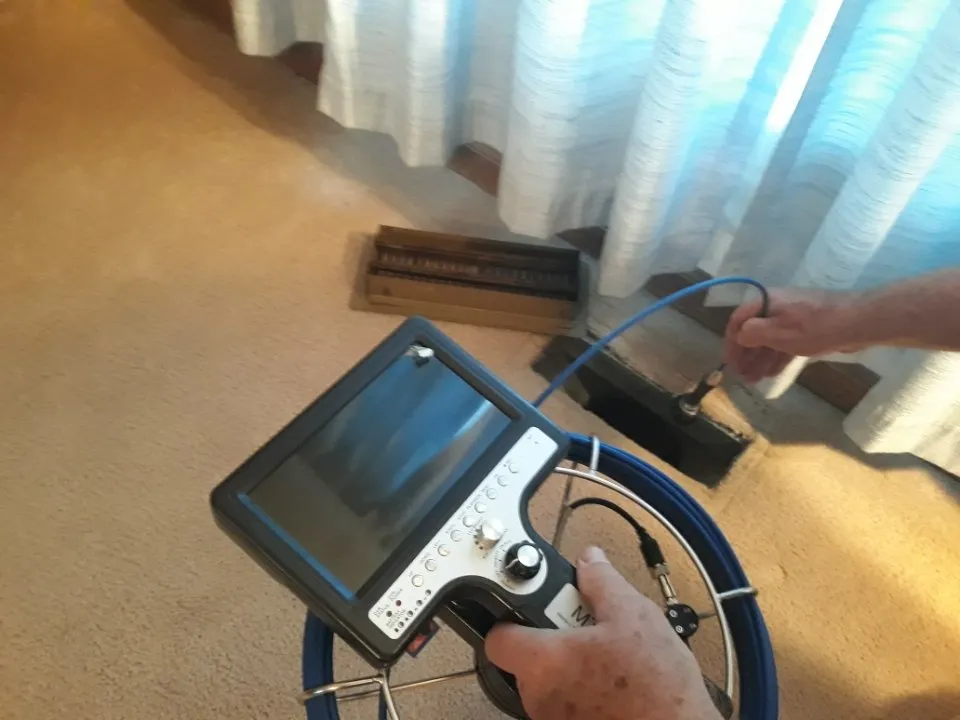
This visual evidence is invaluable for both insurance claims and planning the necessary remediation steps. It also helps ensure that no affected areas are overlooked during the cleaning and restoration process.
Key Benefits of Camera-Based Duct Inspections After Water Incidents
Using a camera to inspect ductwork after a water-related event offers several advantages:
- Accurate Assessment: Technicians can pinpoint the exact locations and extent of water damage, mold, or debris.
- Documentation: Video and photo evidence support insurance claims and provide a clear record of the duct’s condition before and after cleaning.
- Targeted Remediation: Cleaning and repairs can be focused on affected areas, saving time and reducing unnecessary work.
- Peace of Mind: Property owners gain confidence that hidden problems have been identified and addressed.
What to Expect During a Post-Water Damage Duct Inspection
The process typically begins with a consultation, where technicians gather information about the water event and any visible signs of damage. The inspection itself is minimally invasive and does not require dismantling the duct system. Here’s a general outline of what happens:
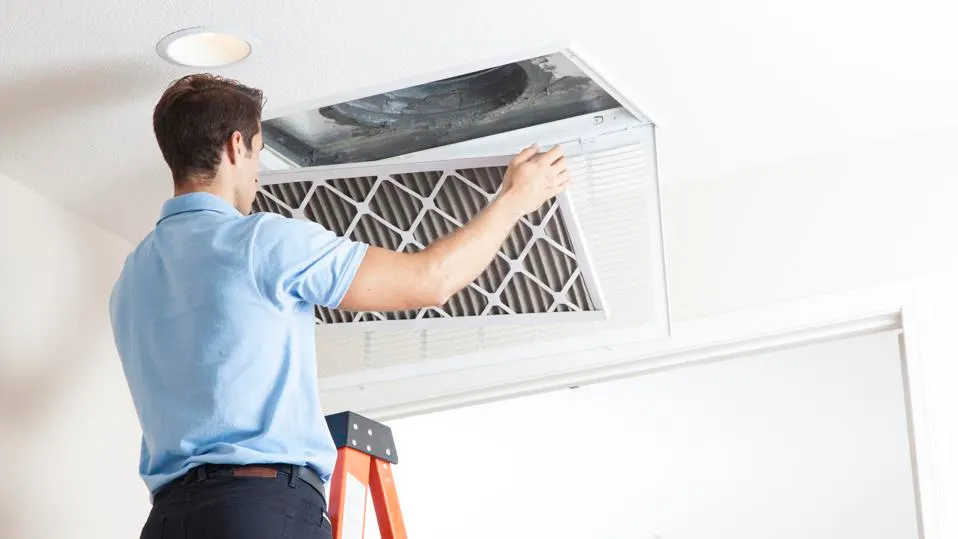
- Technicians access the ductwork through existing vents or service openings.
- The camera is inserted and guided through the system, transmitting real-time video to a monitor.
- Areas of concern are recorded and documented for review.
- After the inspection, the findings are discussed with the property owner, along with recommendations for cleaning, repairs, or further testing.
Common Issues Detected by Duct Cameras After Water Exposure
After a water incident, a camera inspection can reveal a variety of problems that might otherwise remain hidden:
- Mold and Mildew: These can develop quickly in damp environments and spread throughout the ductwork.
- Rust and Corrosion: Metal ducts are particularly vulnerable to moisture, which can weaken their structure over time.
- Insulation Damage: Wet or moldy insulation inside or around ducts can reduce energy efficiency and air quality.
- Blockages: Debris washed into the ducts can obstruct airflow and reduce system performance.
- Odors: Persistent musty smells often indicate microbial growth or lingering moisture.
Identifying these issues early allows for prompt remediation, which is essential for maintaining healthy indoor air and protecting your investment.
When to Schedule a Duct Camera Inspection After Water Damage
It’s best to arrange an inspection as soon as possible after any significant water event, such as flooding, roof leaks, or plumbing failures. Delaying assessment can allow mold and other problems to worsen. If you’re unsure about the ideal timing for these evaluations, our guide on how often to perform duct camera inspection provides helpful recommendations.
In some cases, insurance companies may require documentation from a camera inspection before approving claims for duct cleaning or replacement. Proactive assessment can also help prevent disputes and speed up the restoration process.
Professional Standards and Best Practices
Not all inspections are created equal. It’s important to choose qualified professionals who follow industry standards for camera-based duct evaluations. Look for companies that use high-resolution equipment, provide clear documentation, and have experience dealing with water-damaged HVAC systems.
For a detailed overview of inspection procedures, you can refer to this step-by-step guide to inspecting air ducts from an industry expert.
Preventing Future Moisture Problems in Ductwork
Once the immediate issues have been addressed, it’s wise to take steps to prevent future water intrusion. Regular maintenance, prompt repair of leaks, and periodic camera inspections can all help keep your HVAC system in top condition. Establishing a routine based on a duct camera inspection maintenance schedule is a proactive way to safeguard your property.
FAQ: Duct Camera Inspections and Water Damage
How soon should I have my ducts inspected after a water leak or flood?
It’s recommended to schedule a camera inspection as soon as possible after any significant water exposure. Early detection helps prevent mold growth and further deterioration, ensuring timely remediation.
Can a camera inspection find hidden mold or only visible issues?
While a duct camera provides a detailed visual assessment, it primarily detects visible mold, stains, and debris. If hidden mold is suspected, additional air quality testing or surface sampling may be advised.
Is duct cleaning always necessary after water damage is found?
Not always. The need for cleaning depends on the extent of contamination and the materials affected. A professional inspection will determine if cleaning, repairs, or replacement are required.
Are camera inspections disruptive to building occupants?
No, the process is minimally invasive and typically does not require dismantling the duct system or interrupting daily activities. Most inspections can be completed within a few hours.
Conclusion
Addressing water issues in HVAC ductwork quickly and thoroughly is essential for maintaining healthy indoor air and protecting your property. Camera-based inspections provide a clear, accurate picture of the condition inside your ducts, enabling targeted remediation and peace of mind. By working with experienced professionals and following best practices, you can restore your system’s performance and prevent future problems.