When it comes to maintaining a healthy work environment, the role of air quality and workplace air ducts should not be underestimated. Many business owners are often unaware of how the state of their air ducts could be affecting their employees’ well-being. Workplace air ducts and allergies are intricately connected, and addressing this issue is pivotal for ensuring a safe and comfortable atmosphere for everyone.
In a bustling office, air quality might not be the first thing on your mind, but it is crucial. Clean air ducts can significantly mitigate allergy symptoms, promoting a healthier workspace. Understanding the connection is the first step in creating a proactive plan for improving indoor air quality.
The Role of Air Ducts in Indoor Air Quality
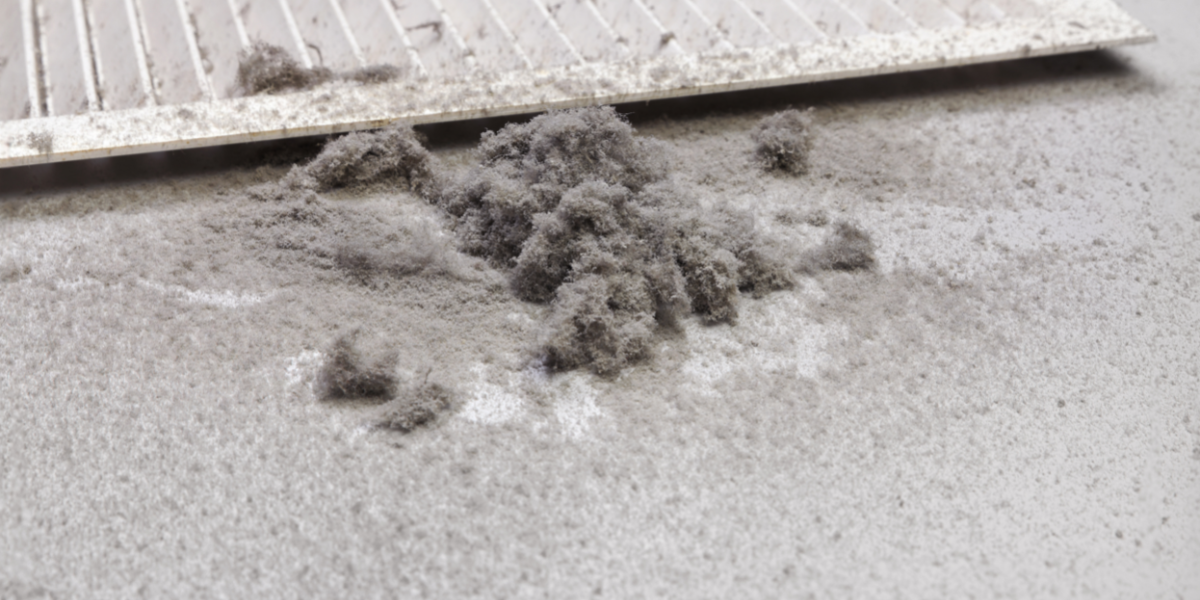
Air ducts are essential for proper ventilation, extending across buildings to facilitate the circulation of air. They are akin to the lungs of the workplace, ensuring that fresh air continuously replaces stale air. However, when neglected, air ducts can accumulate dust, debris, and allergens like pollen and mold.
For more insights on how duct sanitizing helps combat allergies, you can check out this article.
Common Allergens Found in Workplace Air Ducts
Several allergens can make their home in air ducts unnoticed. These include dust mites, pollen, mold spores, and pet dander. As air circulates through the ducts, these allergens are spread throughout the building, potentially causing allergic reactions in sensitive individuals.
For more on how poor air circulation affects environments with pets, visit this page.
How Workplace Air Ducts Contribute to Allergies
Circulation of Allergens
Ducts circulate not just air but also allergens that can trigger symptoms such as sneezing, coughing, and asthma attacks among employees. These reactions often lead to decreased productivity and increased absenteeism.
The Role of Moisture in Air Ducts
Moisture can also accumulate within air ducts, leading to mold growth. Mold is a potent allergen that exacerbates respiratory issues, thereby impacting employee health further.
Symptoms of Allergies Triggered by Workplace Air Ducts
Employees exposed to allergens in the workplace might experience a range of symptoms. These include nasal congestion, itchy eyes, skin irritation, and headache. Chronic exposure can result in long-term health issues if not addressed promptly.
Steps to Improve Air Quality and Alleviate Allergies
Regular Cleaning and Maintenance
Consistent maintenance of air ducts is essential. Scheduling regular inspections and cleanings will ensure that the ducts remain free from dust and contaminants. For tips on air duct cleaning in environments with pets, this guide might be helpful.
Using High-Quality Air Filters
Installing HEPA filters in the HVAC system can capture small particles and prevent them from spreading through the ducts into the air.
Implementing Proper Ventilation
Enhancing ventilation within the workspace by frequently opening windows or using air purifiers can reduce the concentration of airborne pollutants.
The Importance of Professional Duct Cleaning
Employing professional cleaning services can ensure thorough removal of allergens and debris from air ducts, thereby improving air quality. Professionals use specialized equipment to reach areas that might be inaccessible through standard cleaning.
To further understand whether duct cleaning benefits asthma sufferers, refer to this informative piece.
Employee Awareness and Involvement
Informing employees about the importance of air quality and involving them in maintaining a clean office environment can foster a healthier and more productive workspace.
Addressing Common Misconceptions About Air Ducts
Many believe that air duct cleaning is unnecessary. However, regular maintenance is crucial to ensure that the ventilation system operates efficiently and does not exacerbate allergy symptoms.
For science-backed advice on the benefits of duct cleaning, visit this EPA resource.
FAQs
How often should workplace air ducts be cleaned?
Most experts recommend having your workplace air ducts cleaned every two to five years, but this can vary based on the environment and the specific needs of your building.
Can dirty air ducts impact employee productivity?
Yes, the presence of allergens and poor air quality can lead to health issues, which in turn decreases employee productivity. Regular maintenance of air ducts can help mitigate these problems.
Are there any immediate signs that air ducts need cleaning?
If you notice visible dust around vents, an increase in respiratory issues among employees, or a musty smell, it may indicate the need for professional cleaning of the air ducts.
This article contains affiliate links. We may earn a commission at no extra cost to you.