Ductwork plays a crucial role in maintaining indoor air quality and efficient HVAC system performance. Over time, dust, debris, mold, and even pests can accumulate inside air ducts, leading to reduced airflow, potential health risks, and higher energy bills. To address these issues, professionals rely on advanced tools and techniques, one of the most effective being duct camera inspection. This technology allows for a detailed look inside duct systems, helping identify problems that would otherwise remain hidden.
For those interested in a deeper understanding of air duct cleanliness and its impact on health, the duct system hygiene guide offers valuable insights into keeping your air safe and your HVAC system running smoothly.

Understanding Duct Camera Technology
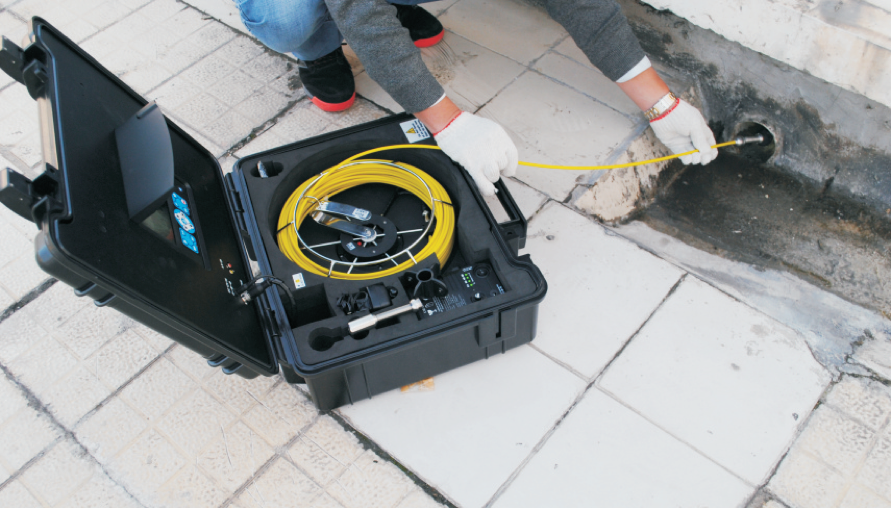
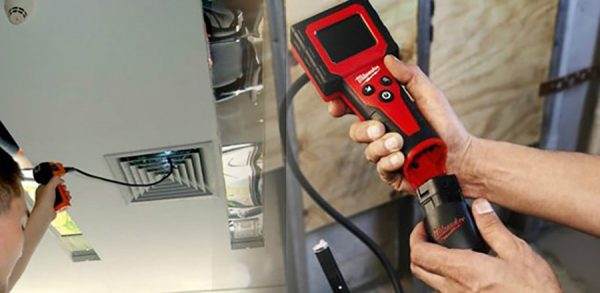
At its core, a duct camera inspection involves using a small, high-resolution camera attached to a flexible cable. This camera is inserted into the ductwork, transmitting real-time video footage to a monitor. Technicians can then navigate through the ducts, visually assessing the condition of the interior surfaces. This process makes it possible to spot blockages, leaks, corrosion, microbial growth, and other issues without dismantling the system.
The cameras used for this purpose are designed to withstand the challenging environment inside air ducts. They often feature LED lights for visibility, waterproof and dustproof housings, and the ability to capture still images or record video for documentation.
How the Inspection Process Works
The procedure for inspecting air ducts with a camera is straightforward but requires expertise for accurate results. Here’s a step-by-step overview:
- Preparation: The technician identifies suitable access points in the ductwork, such as vents or service panels. These are cleaned and, if necessary, enlarged to accommodate the camera.
- Camera Insertion: The camera probe is gently fed into the duct. Its flexibility allows it to navigate bends and turns.
- Real-Time Monitoring: As the camera moves through the ducts, the technician watches the live video feed, looking for signs of contamination, damage, or obstructions.
- Documentation: Still images or video clips are captured for records or to show the property owner any issues found.
- Analysis and Reporting: After the inspection, the technician reviews the footage, prepares a report, and recommends cleaning, repairs, or further action if needed.
This non-invasive method provides a clear, accurate picture of duct conditions, making it easier to plan maintenance or cleaning.
Benefits of Using a Camera for Ductwork Assessment
There are several advantages to utilizing camera technology for inspecting ducts:
- Accurate Problem Detection: Visual confirmation of issues like mold, debris, or leaks enables targeted solutions.
- Cost-Effectiveness: By pinpointing specific problem areas, unnecessary cleaning or repairs can be avoided.
- Documentation: Video and images provide clear evidence for property owners, insurance claims, or regulatory compliance.
- Time Savings: The process is much faster than manual inspection methods, minimizing disruption to occupants.
- Improved Indoor Air Quality: Early detection of contaminants helps maintain a healthier living or working environment.
Common Issues Detected During Duct Camera Inspections
A thorough camera-based evaluation can reveal a range of problems inside ductwork, including:
- Dust and Debris Buildup: Accumulated particles reduce airflow and can trigger allergies.
- Mold Growth: Moisture inside ducts can lead to mold, which poses health risks and may require immediate remediation. Learn more about the symptoms of mold exposure in home if you suspect this issue.
- Pest Infestation: Rodents or insects sometimes nest in ducts, leaving behind droppings and damage.
- Physical Damage: Cracks, holes, or disconnected sections can cause air leaks and reduce HVAC efficiency.
- Obstructions: Construction debris, insulation, or foreign objects can block airflow.
Identifying these issues early helps prevent more serious problems and supports proactive maintenance.
When Should You Consider a Duct Camera Evaluation?
Not every property needs frequent duct inspections, but certain situations make this service especially valuable:
- After renovations or construction, when debris may have entered the ducts
- If you notice persistent dust, musty odors, or allergy symptoms indoors
- When buying or selling a property, to ensure the HVAC system is in good condition
- Before and after professional duct cleaning, to verify results
- When experiencing uneven heating or cooling, indicating possible blockages or leaks
Regular assessments can also be part of a preventive maintenance plan, especially in commercial or healthcare settings where air quality is critical.
Choosing a Qualified Inspection Provider
For the most reliable results, it’s important to hire experienced professionals who use high-quality camera equipment and follow industry standards. Look for companies with certifications from organizations such as the National Air Duct Cleaners Association (NADCA). For more details on best practices and technician training, the NADCA guide for new technicians is a valuable resource.
Reputable providers will offer a detailed report, including images or video, and explain their findings clearly. Don’t hesitate to ask about their process, equipment, and experience before scheduling an inspection.
Integrating Camera Inspections Into Overall Duct Maintenance
While visual assessments are powerful, they are most effective when combined with other maintenance practices. After identifying issues with a camera, follow up with appropriate cleaning, repairs, or upgrades. For tips on maintaining clean vents, see the guide on how to clean vents safely. Additionally, using quality filters and scheduling regular HVAC checkups can further enhance air quality and system performance.
Camera-based evaluations are a key part of a comprehensive HVAC care routine, helping ensure your system remains efficient and your indoor environment stays healthy.
Frequently Asked Questions
How often should air ducts be inspected with a camera?
For most homes, a camera inspection every three to five years is sufficient, unless there are specific concerns such as recent renovations, visible mold, or persistent indoor air quality issues. Commercial buildings or facilities with higher air quality standards may require more frequent checks.
Can duct camera inspections detect mold and pests?
Yes, this technology is highly effective at spotting visible mold growth, pest nests, droppings, and other signs of infestation. However, laboratory testing may be needed to confirm the type of mold or extent of contamination.
Is it possible to perform a duct camera inspection without professional help?
While consumer-grade inspection cameras are available, professional technicians have the training and equipment to thoroughly assess ductwork and interpret findings accurately. DIY attempts may miss hidden issues or lead to incomplete evaluations.
Does insurance cover duct camera inspections?
Coverage varies by policy and provider. Inspections related to property damage, such as after a fire or flood, may be covered. It’s best to check with your insurance company for specific details.
What are the signs that indicate a duct camera inspection is needed?
Signs include unexplained increases in dust, musty odors, visible mold around vents, uneven heating or cooling, or recent pest problems. If you notice any of these, a visual assessment can help identify the cause.