The connection between respiratory infections from poor air quality and everyday health is more significant than many realize. Pollutants, allergens, and microbial contaminants in the air can irritate the respiratory tract, making people more susceptible to colds, sinus infections, bronchitis, and even more severe lung conditions. Understanding how to minimize exposure and protect your lungs is essential, especially for those with allergies, asthma, or compromised immune systems.
Indoor environments, in particular, can harbor dust, mold spores, and volatile organic compounds that contribute to breathing problems. Addressing these issues not only helps prevent infections but also improves overall well-being. For those interested in learning more about the impact of air quality on health, our guide on air filters and respiratory health provides additional insights.
Understanding How Air Quality Affects Respiratory Health
Airborne contaminants can have a direct impact on the respiratory system. When inhaled, particles such as dust, pollen, mold spores, and chemical fumes can irritate the lining of the nose, throat, and lungs. Over time, this irritation weakens natural defenses, making it easier for viruses and bacteria to take hold and cause infections.
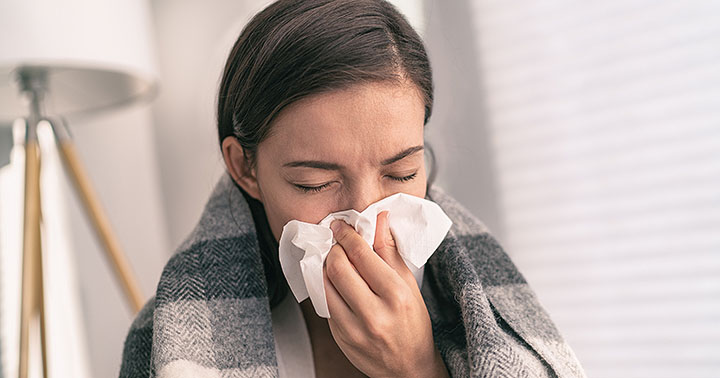
Common symptoms linked to exposure include coughing, sneezing, congestion, sore throat, and shortness of breath. In more severe cases, chronic exposure to poor air can lead to persistent respiratory illnesses and aggravate existing conditions like asthma or COPD.
It’s important to recognize the common signs of bad indoor air quality, such as frequent headaches, fatigue, or an increase in allergy symptoms. Early identification allows for timely intervention and reduces the risk of infection.
Key Sources of Indoor Air Pollution
To effectively prevent respiratory infections from poor air quality, it’s crucial to identify and address the main sources of indoor air pollution:
- Mold and Mildew: High humidity and water leaks can foster mold growth, releasing spores that irritate the airways.
- Dust and Allergens: Accumulated dust, pet dander, and pollen are common triggers for respiratory symptoms.
- Dirty HVAC Systems: Unmaintained heating and cooling units can circulate contaminants throughout the home.
- Household Chemicals: Cleaning products, paints, and air fresheners may emit volatile organic compounds (VOCs) that affect lung health.
- Outdoor Pollutants: Smoke, smog, and vehicle emissions can infiltrate indoor spaces, especially in urban areas.
For more on how moisture and ventilation affect indoor air, see our article on humid air and mold in ducts.
Practical Steps to Prevent Airborne Infections
Reducing the risk of respiratory problems caused by air pollution involves a combination of cleaning, filtration, and lifestyle adjustments. Here are some actionable strategies:
1. Maintain and Upgrade Air Filters
Regularly replacing or cleaning HVAC and air purifier filters is one of the most effective ways to trap dust, pollen, and microbes. High-efficiency particulate air (HEPA) filters and electrostatic filters are particularly effective at removing fine particles.
If you want to learn more about choosing the right filter, our resource on dirty filters and breathing problems covers the warning signs and maintenance tips.
2. Control Moisture and Prevent Mold
Mold spores are a frequent cause of respiratory infections from poor air quality. Keep indoor humidity between 30% and 50% using dehumidifiers or air conditioners. Address leaks and water damage promptly, and clean visible mold with appropriate products.
For more on detection and prevention, see our detailed guide on mold growth in HVAC units.
3. Improve Ventilation
Proper ventilation helps dilute indoor pollutants and brings in fresh air. Open windows when weather permits, use exhaust fans in kitchens and bathrooms, and consider mechanical ventilation systems for tightly sealed homes.
Regular vent cleaning also supports better airflow and reduces the buildup of dust and allergens. Our article on vent cleaning for sinus health explains best practices for keeping vents clear.

4. Reduce Use of Harmful Chemicals
Many household products release fumes that can worsen air quality. Opt for fragrance-free or low-VOC cleaning supplies, and store chemicals in well-ventilated areas. When painting or using strong cleaners, open windows and use fans to disperse fumes.
5. Regular Cleaning and Dust Control
Frequent dusting, vacuuming with HEPA-filter vacuums, and washing bedding in hot water help reduce allergens and pathogens. Pay special attention to carpets, upholstery, and curtains, which can trap particles and microbes.
Who Is Most at Risk?
Certain groups are more vulnerable to the effects of polluted air. These include:
- Children and infants, whose lungs are still developing
- Older adults, who may have weaker immune systems
- People with asthma, allergies, or chronic lung diseases
- Individuals with compromised immune systems
For these groups, taking extra precautions—such as using high-quality air filters and maintaining a clean living environment—is especially important.
Recognizing Symptoms of Airborne Illnesses
Early detection of respiratory problems can prevent complications. Watch for:
- Persistent cough or throat irritation
- Sinus congestion or frequent sneezing
- Shortness of breath or wheezing
- Unexplained fatigue or headaches
- Recurring respiratory infections
If symptoms persist or worsen, consult a healthcare provider to rule out underlying conditions and discuss possible environmental triggers.
Frequently Asked Questions
What are the most common respiratory infections linked to poor air quality?
Common illnesses include colds, sinus infections, bronchitis, and in severe cases, pneumonia or exacerbation of asthma. Exposure to airborne pollutants and allergens increases the risk of these conditions.
How often should I replace air filters to prevent respiratory issues?
Most experts recommend checking filters every 1–3 months, but frequency depends on the type of filter, household size, and presence of pets or allergies. HEPA and electrostatic filters may need more frequent replacement in high-use environments.
Can improving indoor air quality help with allergy symptoms?
Yes, reducing dust, mold, and chemical irritants in the air can significantly decrease allergy symptoms and lower the risk of developing respiratory infections. Using air purifiers and maintaining good ventilation are effective strategies.